In most towns and decentralized communities, building a centralized sewage network is neither economical nor practical. Therefore, 10–500m³/d integrated decentralized treatment stations have become the mainstream choice. However, these small stations face four major pain points:
- Extremely wide distribution — ranging from dozens to over a hundred independent sites
- High labor cost for operation and maintenance — each station requires regular inspections
- Large fluctuations in water volume — obvious peaks in mornings and evenings, and significant seasonal variations
- Delayed fault response — equipment failures often discovered days later
Traditional decentralized solutions often rely on regular inspections and constant power operation, resulting in energy waste, excessive chemical use, frequent malfunctions, and high operating costs.
AI + Decentralized Treatment adopts a “cloud-edge-device” architecture, turning each integrated unit into a self-learning, self-optimizing intelligent system.
The following provides an in-depth breakdown of this solution in the 10–500m³/d scenario, covering hardware foundations, AI applications, actual cost reductions, and frequently asked questions.
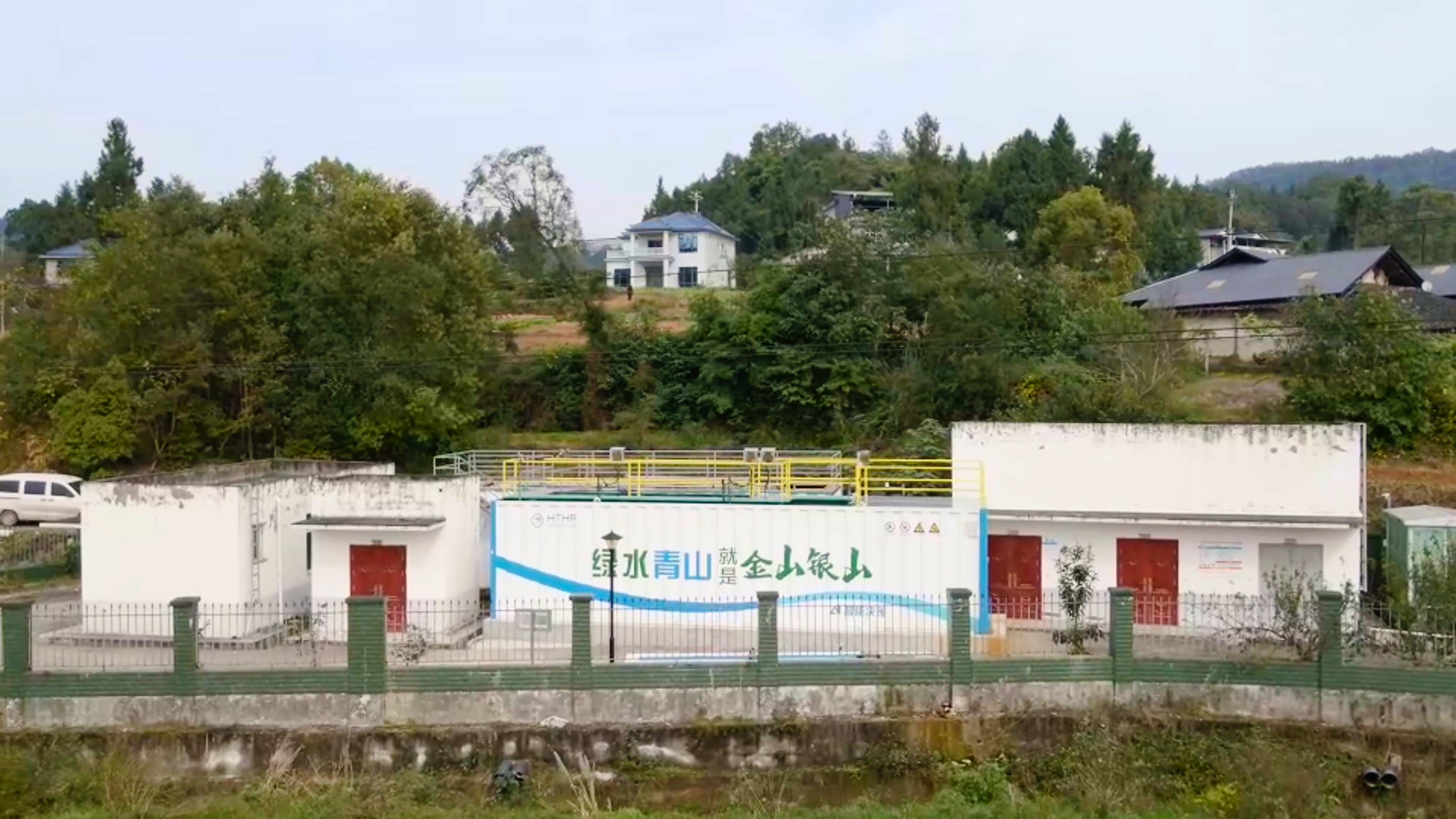
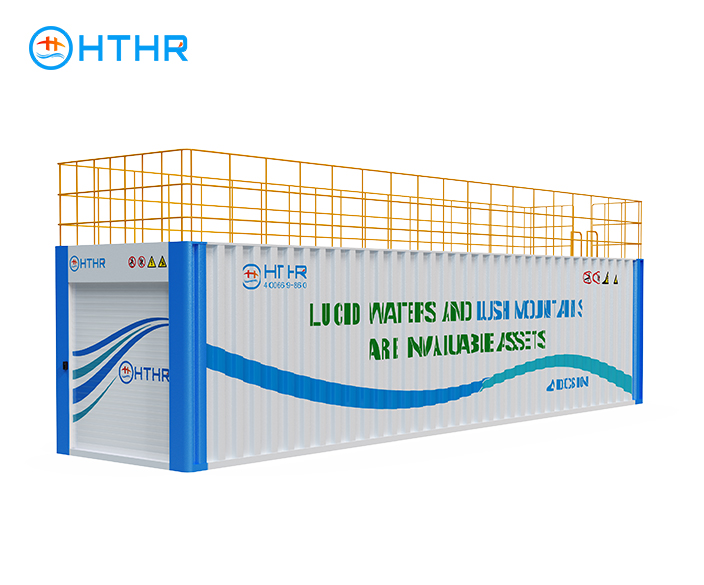
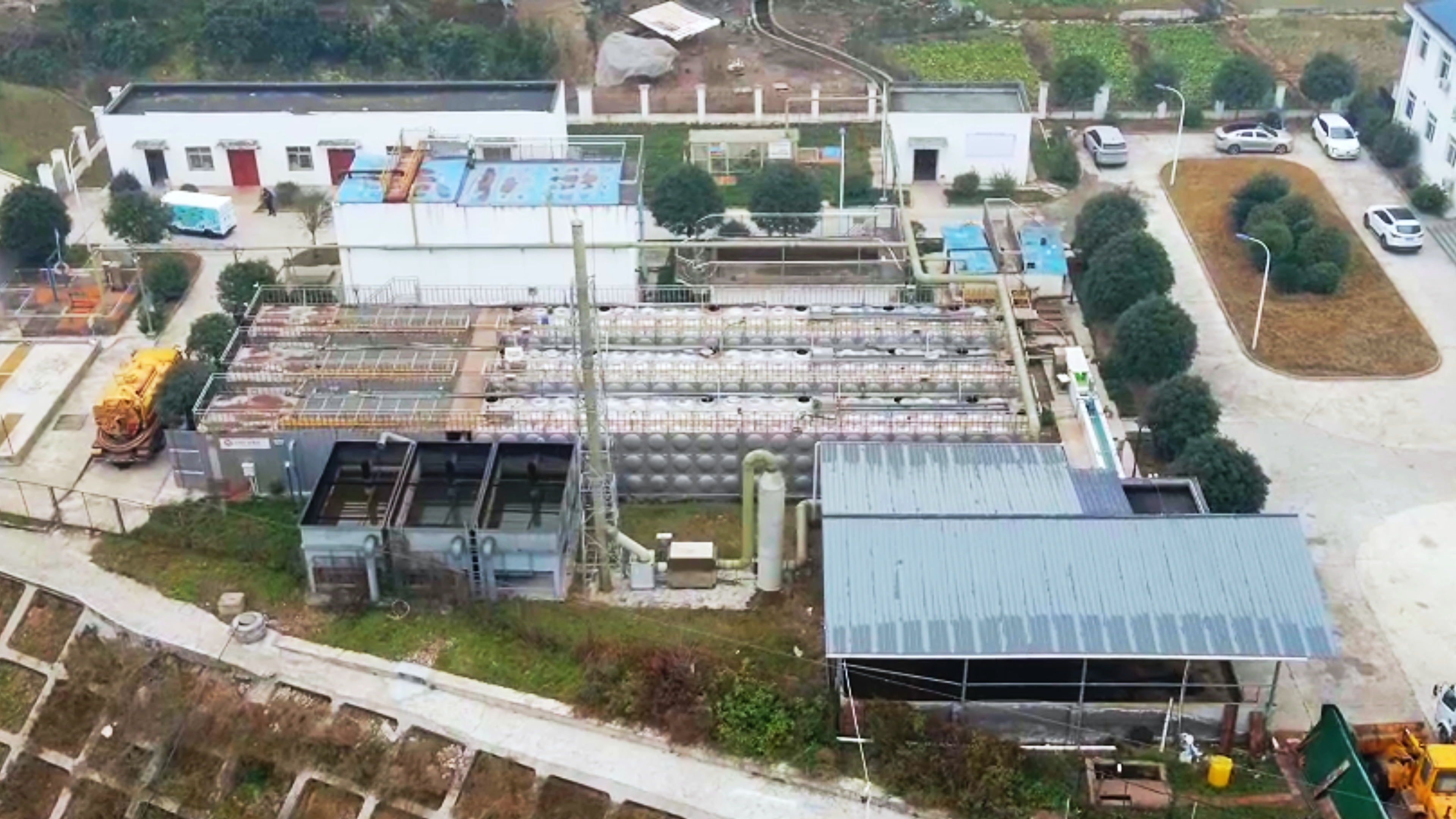
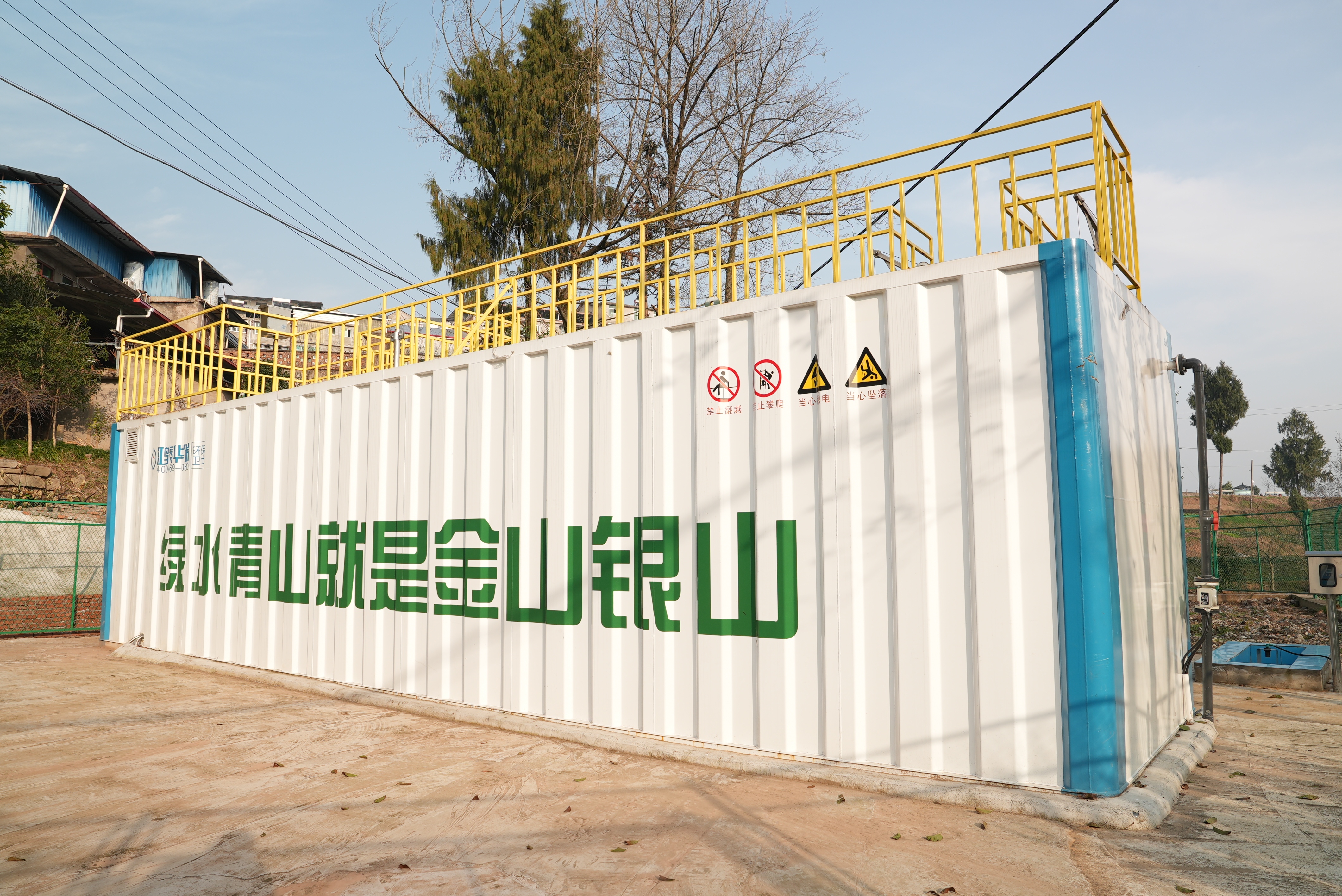
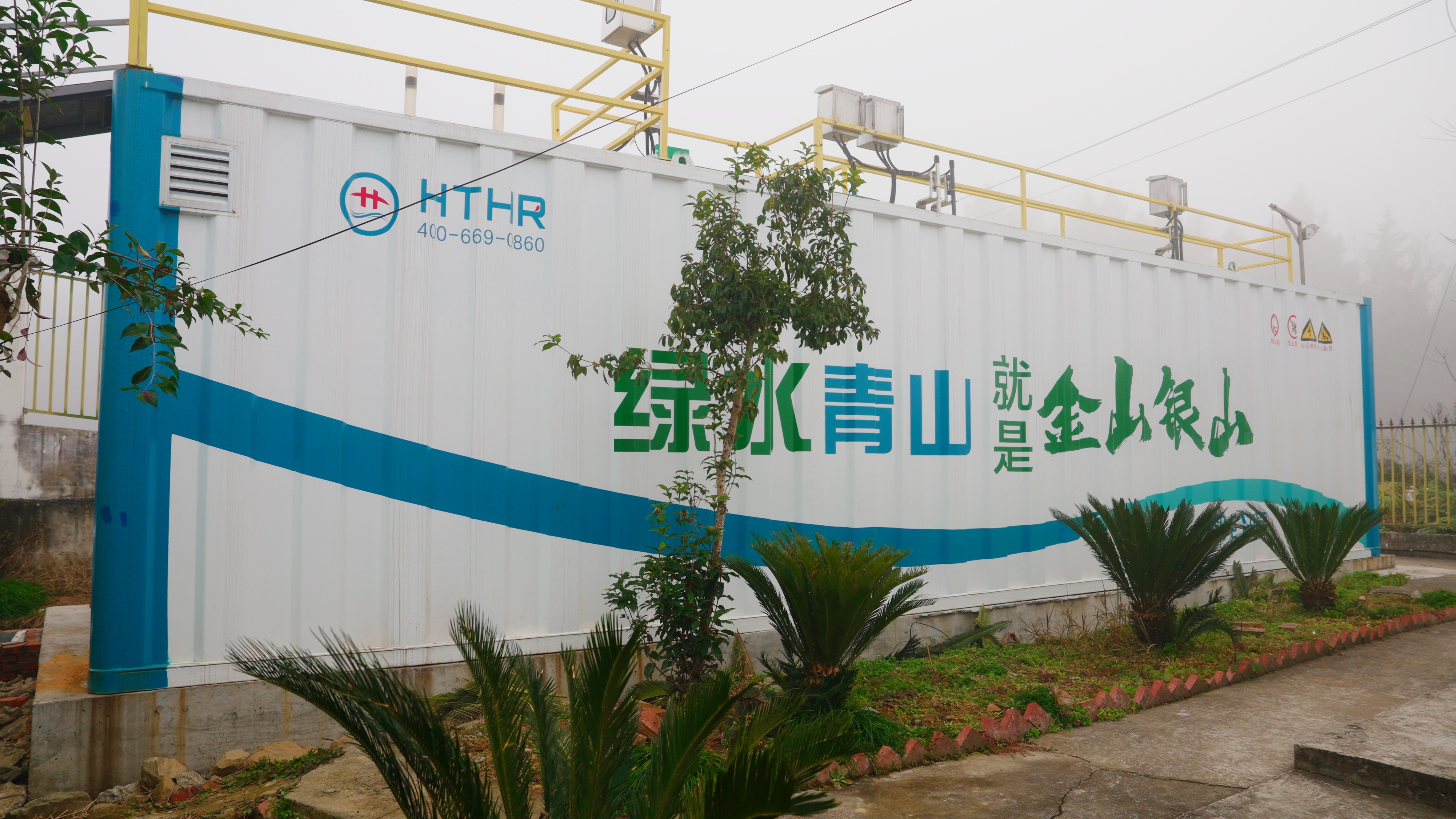
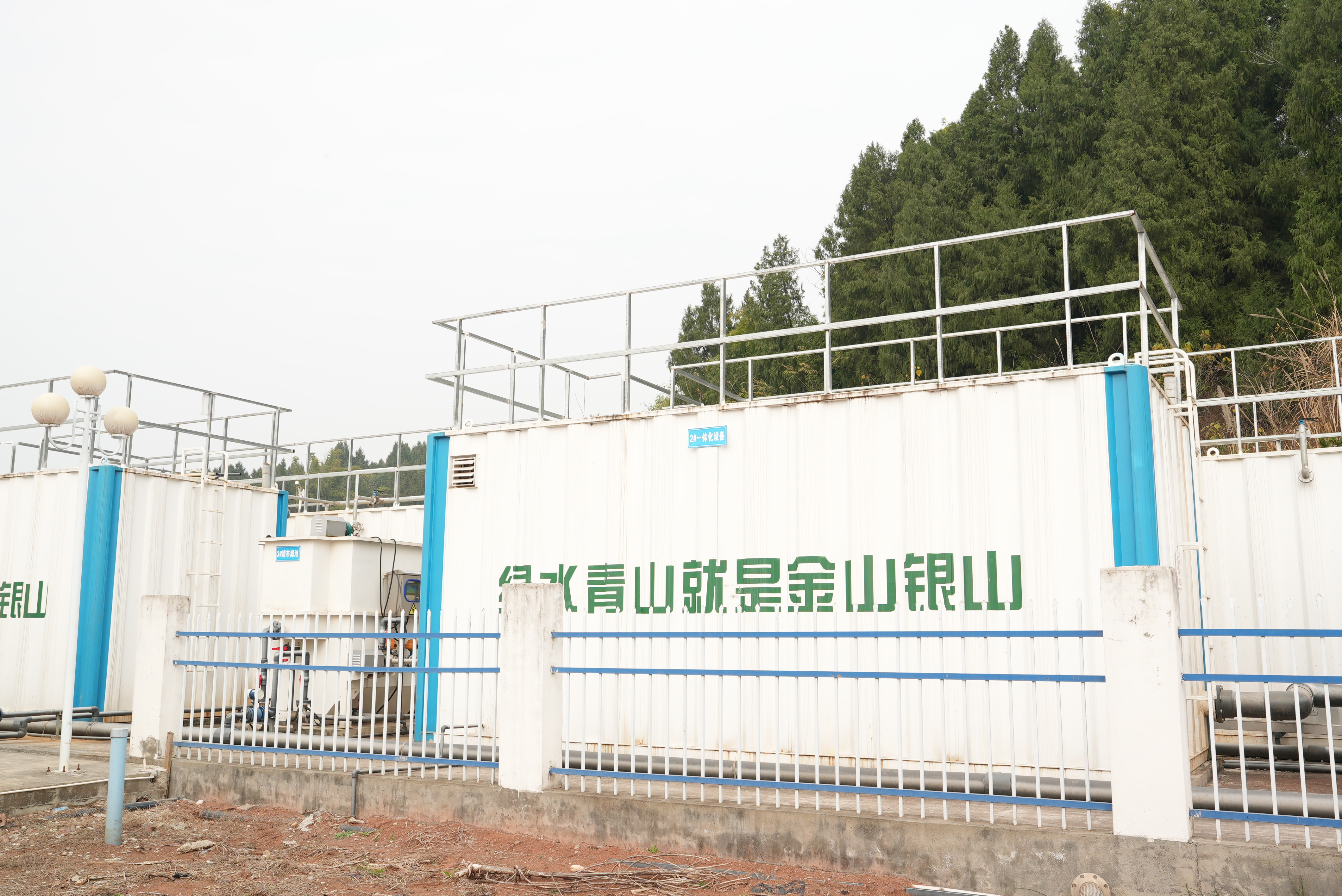
The hardware foundation is a highly integrated skid-mounted system (AO/AAO/MBR/MBBR), made of carbon steel with corrosion resistance or high-strength composite materials. It integrates screening, anaerobic, anoxic/aerobic, sedimentation, filtration, and disinfection units within a compact footprint.
Key intelligent components:
- Smart variable-frequency blower — directly connected to the AI gateway, adjusts airflow based on real-time dissolved oxygen (DO) instructions
- Low-power anti-clogging pump/return pump — built-in vibration sensor to predict bearing or impeller faults
- Robotic dosing system — uses 3D vision to identify and grab chemicals, coordinated with unmanned delivery vehicles; delivery routes and quantities are automatically generated based on system stock levels
- On-site sensor array — measures COD, ammonia nitrogen, pH, ORP, DO, flow, energy consumption, etc.
Installation and commissioning can be completed in as fast as 3 days.
System Architecture: Cloud–Edge–Device Collaboration
|
Layer
|
Components
|
Core Responsibilities
|
|
Device
|
Integrated treatment unit + sensors + actuators
|
Data collection and local action execution
|
|
Edge
|
On-site AI edge gateway
|
Real-time data processing, low-latency control; continues intelligent operation during network interruptions
|
|
Cloud
|
Smart management platform
|
Aggregates multi-site data, long-term model training, digital twins, global optimization
|
The edge gateway is key: all critical control models are deployed locally. Even during temporary network outages, the device can adaptively adjust based on local models; data automatically synchronizes once the network is restored.
Core AI application scenarios
- Intelligent precise aeration and dosing
- Pain point: Rural sewage has clear morning and evening peaks; traditional equipment runs at constant power, wasting energy and chemicals.
- AI solution: Reinforcement learning algorithms predict future inflow changes (flow, COD, ammonia nitrogen) and dynamically adjust blower frequency and dosing pump flow.
- Effect:
- PAC flocculant dosing ↓ 20–30%
- Energy consumption ↓ over 15%
- Fault warning and predictive maintenance
- Pain point: Equipment failures at remote sites are often discovered days later, leading to high repair costs and long downtime.
- AI solution: Neural networks analyze motor current, vibration, and temperature curves to detect “sub-health” states before actual failure, automatically generating maintenance work orders.
- Effect:
- Equipment lifespan extended 3–5 years
- Emergency repair costs significantly reduced
- Automatic water quality compliance warning
- Pain point: Total nitrogen and total phosphorus cannot be monitored in real time; lab tests are significantly delayed.
- AI solution: Soft sensor models use easily measurable indicators (ORP, DO, pH, conductivity) to estimate total phosphorus/total nitrogen in real time. When a risk of exceedance is predicted, the system automatically switches to emergency circulation mode.
- Effect:
- Rapid response to shock loads
- Reduced frequency of manual sampling and lab testing
4. Remote AR/AI-assisted operation and maintenance
- Scenario: On-site non-professional personnel encounter alarms.
- AI solution: AI overlays step-by-step guidance via tablet or smart glasses — highlighting valves or filters to operate. Remote experts can intervene via AR if necessary.
- Effect:
- Fewer on-site expert visits
- Higher first-time repair rate
Solution Comparison: Traditional vs. AI + Decentralized
|
Dimension
|
Traditional Decentralized Treatment
|
Treatment | AI + Decentralized (10–500m³/d)
|
|
Operation & maintenance mode
|
Regular inspections, experience-dependent
|
Unattended, data-driven
|
|
Energy management
|
Rough operation, high consumption
|
On-demand operation, precise energy saving
|
|
Chemical consumption
|
Fixed ratio, often excessive
|
Real-time optimization, dosing as needed
|
|
Load shock resistance
|
Poor, easy to exceed standards
|
Adaptive control, stable compliance
|
|
Fault response
|
Reactive, long downtime
|
Minute-level warning + predictive maintenance
|
|
Labor input
|
Full-time or frequent on-site visits
|
Only dispatched upon alarm
|
Frequently Asked Questions
Q1: How exactly does AI help reduce operating costs?
A: Three direct ways:
- Energy saving: Aeration blowers are energy-intensive; AI matches frequency precisely using DO prediction models, usually saving 10–20% electricity.
- Chemical saving: AI calculates dosing ratios in real time based on influent concentration, avoiding overdosing, reducing chemical costs by over 15%.
- Labor reduction: Changes from “regular on-site checks” to “respond only when alarms occur,” greatly reducing travel and labor costs.
Q2: Will unstable decentralized site networks affect AI system operation?
A: We use an edge-first computing architecture.
- Edge side: Core control algorithms run on the on-site intelligent gateway. Even if the network is down, the device can make intelligent decisions based on local models.
- Cloud side: Responsible for long-term data storage, model training, and multi-site scheduling. Data is automatically synchronized after network recovery.
Q3: Will AI algorithms fail if COD, ammonia, or other sensors break easily?
A: This is where AI excels — sensor fault diagnosis + soft sensing.
AI can use correlations between multiple simple sensors (pH, conductivity, ORP, temperature) to “virtually calculate” missing water quality indicators. When a sensor is abnormal, the system identifies it, alerts maintenance, and switches to safe operation mode to prevent misjudgment.
Q4: Is the deployment cycle of the AI system long? Does it have high requirements for existing equipment?
A:
- Compatibility: As long as existing equipment supports standard communication protocols (e.g., Modbus), intelligent transformation can be achieved by adding gateways and sensors.
- Deployment time: New equipment installation usually completes within 30 days. AI model “cold start” learning generally requires 1–3 months of data accumulation, after which the system becomes progressively smarter.
Conclusion
For 10–500m³/d rural decentralized sewage treatment, there is no need to endure high operating costs, unstable effluent, or heavy on-site supervision. Through edge AI embedding + cloud-assisted management, each small station can become a self-learning intelligent unit:
- Lower operating costs (electricity, chemicals, labor)
- Higher equipment availability (predictive maintenance)
- Greater compliance assurance (real-time soft sensing + emergency mode)
Whether in towns, ecological parks, or locations far from municipal networks, AI + decentralized treatment is no longer a luxury but a new standard.
For specific treatment scales or site conditions, the same edge AI architecture can smoothly scale from 10m³/d to 500m³/d, welcome further discussion.


 hthrjt2017@gmail.com