Pharmaceutical wastewater treatment technical plan| 50 - 300 m³/d full-process process design and equipment selection guide
- release date: 2026-05-11 16:39:57
- author: Hongtai Huairui
- Reading: 877
- key words: Pharmaceutical wastewater / separate quality management / three-stage process / IC anaerobic reactor / MBR membrane bioreactor / Fenton oxidation / MVR evaporation / ozone catalytic oxidation
Pharmaceutical wastewater is recognized as a “tough nut” among industrial effluents due to its high COD, strong biotoxicity, high salinity, and severe water quality fluctuations. This plan is specifically designed for small to medium-sized pharmaceutical enterprises with a daily treatment capacity of 50–300 m³. It systematically explains quality-based management + three-stage process + key equipment selection, providing a complete technical reference for engineering practice.
- Wastewater Characteristics and Quality-Based Management
Core Challenges:
- High concentration of organics: COD can reach tens of thousands to hundreds of thousands mg/L
- Biotoxicity: Antibiotic residues inhibit or even kill activated sludge
- High salinity: TDS > 5000 mg/L, causing microbial dehydration and death
- Significant water quality and quantity fluctuations: Batch production, peak-to-trough ratio up to 5:1
Quality-Based Collection Principles:
|
Wastewater Type
|
Source
|
Pretreatment Measures
|
|
High-organic concentration
|
Synthetic mother liquor, solvent residues
|
Distillation recovery + evaporation/incineration
|
|
Antibiotic-containing
|
Fermentation broth, extraction waste
|
Fenton oxidation/high-temperature hydrolysis
|
|
High-salinity wastewater
|
Salting-out, crystallization mother liquor
|
MVR/multi-effect evaporation desalination
|
|
Integrated wastewater
|
Wash water, floor cleaning water
|
Adjust and homogenize before entering the biochemical system
|
-
Three-Stage Core Process Route
Stage 1: Physicochemical Pretreatment (“Gatekeeper”)
- Micro-electrolysis + Fenton oxidation: Increase B/C value (0.1 → above 0.3), degrade toxicity
- MVR evaporation desalination: Save 60–80% energy, recover industrial salts
- Stripping/air stripping: Remove high-concentration ammonia nitrogen or volatile solvents
Stage 2: Enhanced Biochemical Treatment (Main COD Removal Battlefield)
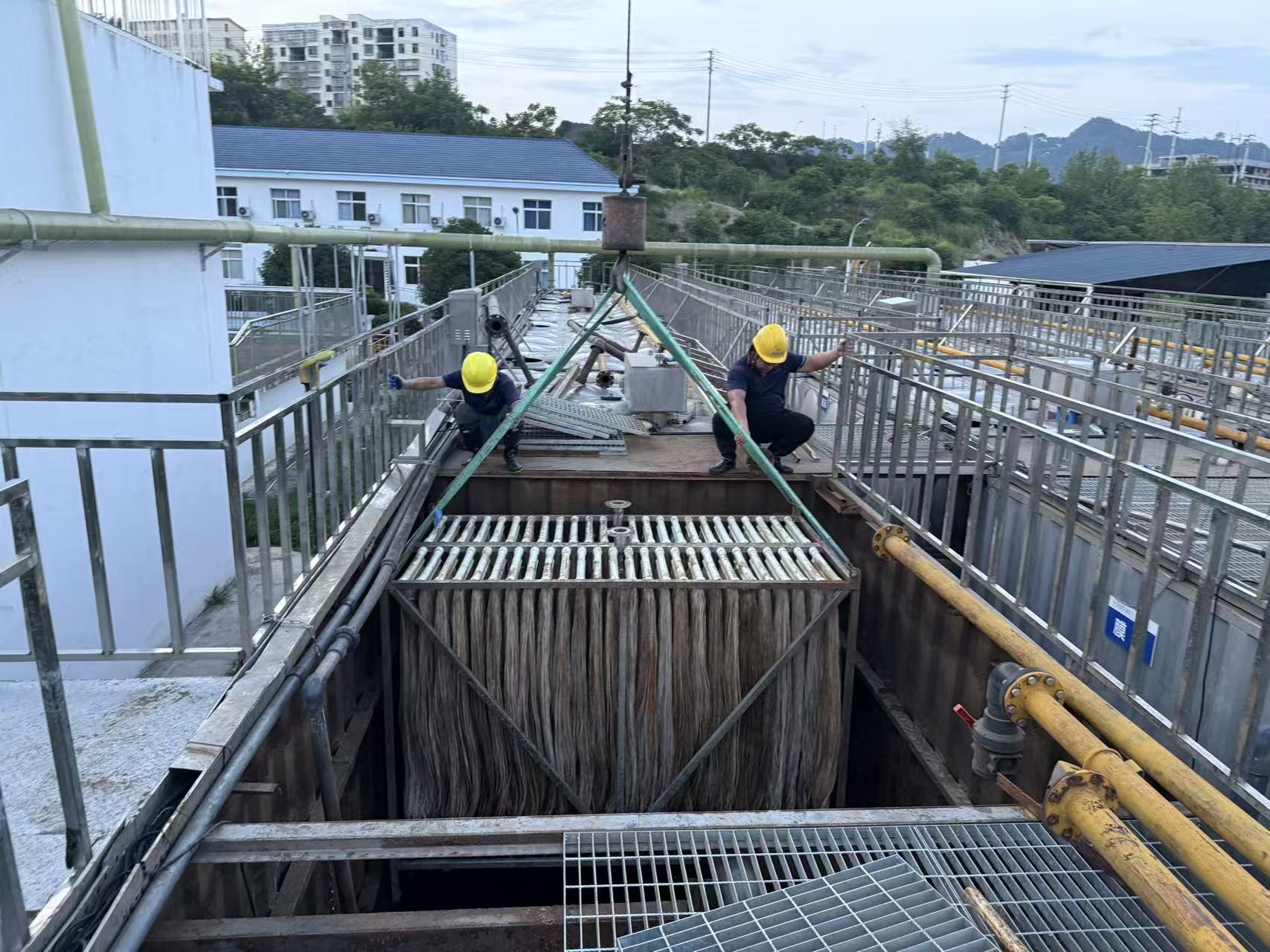
- Anaerobic (EGSB / IC reactor): IC tower OLR reaches 15–30 kg COD/m³·d, small footprint, biogas recovery
- Aerobic (A/O or MBR): MBR sludge concentration 8–15 g/L, effluent SS ≈0, strong shock resistance
Stage 3: Advanced Treatment (Final Compliance “Finishing”)
- Activated carbon/resin adsorption: Remove trace toxic organics, PPCPs, pigments
- Ozone catalytic oxidation: Completely break down antibiotic structures, decolorize, eliminate ecological toxicity
-
Key Equipment and Scale Recommendations
|
Equipment
|
Function
|
Advantages
|
|
IC Internal Circulation Anaerobic Tower
|
COD removal >80%
|
Shock-resistant, small footprint, biogas production
|
|
Micro-electrolysis Reactor
|
Increase B/C value
|
No added chemicals required, low operating cost
|
|
MVR Evaporator
|
High-salinity desalination
|
Save 60–80% energy, recover industrial salts
|
|
MBR Membrane Bioreactor
|
Enhanced aerobic treatment
|
High sludge concentration, stable effluent
|
|
Ozone Catalytic Oxidation Tower
|
Decolorization, antibiotic breakdown
|
dvanced treatment, risk elimination
|
Recommended Process by Scale:
- ≤50 m³/d: Pretreatment + A/O + MBR (integrated unit)
- 50–150 m³/d: Micro-electrolysis/Fenton + EGSB + A/O + MBR + Activated Carbon
- 150–300 m³/d: Quality-based treatment + IC Anaerobic + MVR + MBR + Ozone Oxidation + Reuse
4. Shock-Resistance Design and Equalization Tank
- Equalization tank: Designed based on 8–12 hours average flow, can be enlarged to 24 hours under large fluctuations
- Submersible agitator: 4–6 W/m³, prevent sedimentation
- Emergency storage tank: ≥ maximum batch discharge
- Online monitoring linkage: Automatic alarm and cutoff when COD, pH, conductivity exceed limits
5. Typical Engineering Q&A
Q1: Why must antibiotic wastewater be pretreated?
Antibiotics directly kill functional microorganisms in activated sludge, causing system collapse. Fenton oxidation breaks their ring structures, and B/C value must rise above 0.3 before entering the biochemical system.
Q2: Is solvent recovery cost-effective?
Very cost-effective. For methanol, 100 m³/d containing 5% methanol can recover approximately 12,500 CNY per day, and the distillation tower investment can be recouped in 1–2 years, while reducing subsequent treatment load.
Q3: How to cope with frequent product switches?
- Design equalization tank for the most extreme fluctuations;
- Use MBR to enhance buffering capacity;
- Reserve dosing devices;
- Establish a water quality database and adjust operating parameters in advance.
6. Expected Discharge Compliance (Reference: GB 21904-2008)
|
Indicator
|
Discharge Limit
|
Expected in This Plan
|
|
COD
|
≤100
|
60–80
|
|
Ammonia nitrogen
|
≤10
|
5–10
|
|
Total phosphorus
|
≤1.0
|
≤0.5
|
|
Color
|
≤80
|
30–50
|
|
Antibiotic activity
|
Not detectable
|
Not detectable
|
There is no “universal process” for pharmaceutical wastewater treatment; the key is to tailor the strategy to the water. The three-stage process proposed in this plan—quality-based pretreatment → IC anaerobic + MBR aerobic → ozone advanced oxidation—has been validated in multiple API and traditional Chinese medicine production sites. It is recommended to conduct preliminary small-scale tests (Jar Test, continuous small-scale test) to optimize Fenton dosing and anaerobic acclimation parameters, achieving optimal investment and operational cost balance.
Pharmaceutical environmental professionals are welcome to exchange ideas, share, or collaborate. For the complete technical plan or engineering consultation, private messages or comments are welcome.


 hthrjt2017@gmail.com