From high-concentration organic wastewater to stable compliant discharge, it’s not just a matter of technical choice, but an art of balancing a systematic engineering solution.
In the food processing industry, wastewater treatment has never been an “optional project”; it is a key part of environmental compliance, cost control, and even corporate reputation. Whether you are in meat slaughtering, dairy, beverage, or brewing, if your daily discharge is between 200–800 m³, you are likely facing the following challenges:
Large fluctuations in water quality, COD ranging from 800 to 8000 mg/L
High oil and suspended solids content, which can easily clog pipes and affect biological systems
Strict discharge standards (GB 18918-2002 Class A)
High operating costs, with sludge disposal being another complex issue
I have compiled a set of systematically tested technical solutions, which could serve as a practical reference for your project
Understand Your Wastewater “Profile”
The pollutant composition of food processing wastewater varies greatly depending on the product, but can generally be categorized as follows:
|
Wastewater type
|
major pollutants
|
COD(mg/L)
|
Ammonia-nitrogen (mg/L)
|
|
meat slaughtering
|
Blood, fat, scraps
|
1500–5000
|
80–200
|
|
Dairy
|
Lactose, milk protein, milk fat
|
1000–4000
|
30–100
|
|
Beverage & Canning
|
High sugar, fruit acid
|
800–3000
|
low
|
|
brewing
|
Organic acids, alcohols, yeast
|
2000–8000
|
moderate
|
Design water quality parameters (influent vs. Class A effluent):
|
Parameter
|
Typical Influent
|
Class A standard
|
|
COD
|
800–5000
|
≤ 50
|
|
BOD₅
|
400–2000
|
≤ 10
|
|
SS
|
300–1500
|
≤ 10
|
|
ammonia nitrogen
|
30–200
|
≤5 (Winter 8)
|
|
animal and vegetable oils
|
50–500
|
≤ 1
|
If your actual influent fluctuates far beyond these ranges, it is recommended to perform a continuous one-week water quality monitoring before adjusting the process.
A Four-Stage Process Route Proven Multiple Times
Our recommended logic is: Pre-treatment → Anaerobic Load Reduction → Aerobic Compliance → Advanced Treatment
① Pre-treatment: The “first line of defense” determining the fate of the biological system
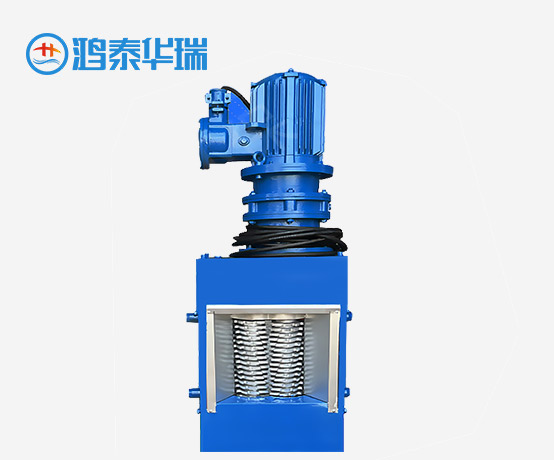
Screen/Rotary Microfilter (0.5–1 mm):Captures meat scraps, fruit peels, bones; stainless steel is recommended.
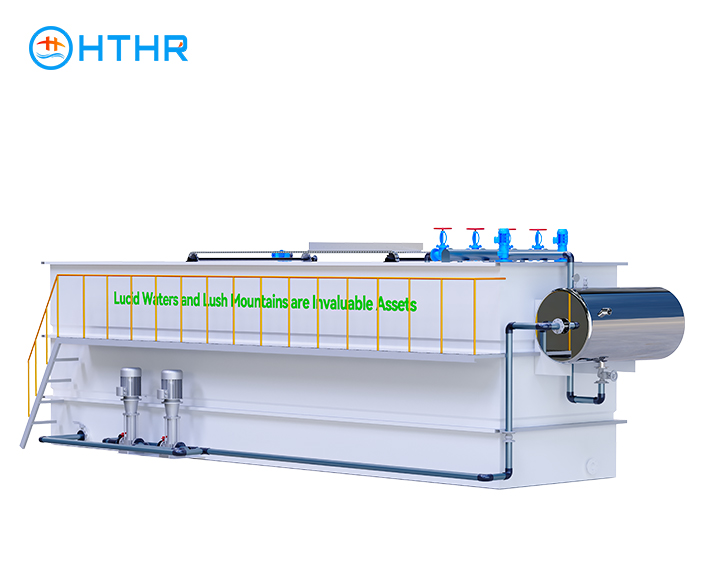
Oil Separation Tank + Dissolved Air Flotation (DAF):Removes over 90% of animal and vegetable oil, preventing oil from coating sludge.
Equalization Tank (HRT 6–12 h):Homogenizes flow and concentration; stirring prevents sediment decay.
💡 Industry data shows: Over 60% of biological system failures stem from improper pre-treatment design or operation.
② Anaerobic Treatment: Economically cutting 60–75% of COD
If influent COD > 1000 mg/L, anaerobic treatment is worthwhile. It is cost-effective and produces recoverable biogas.
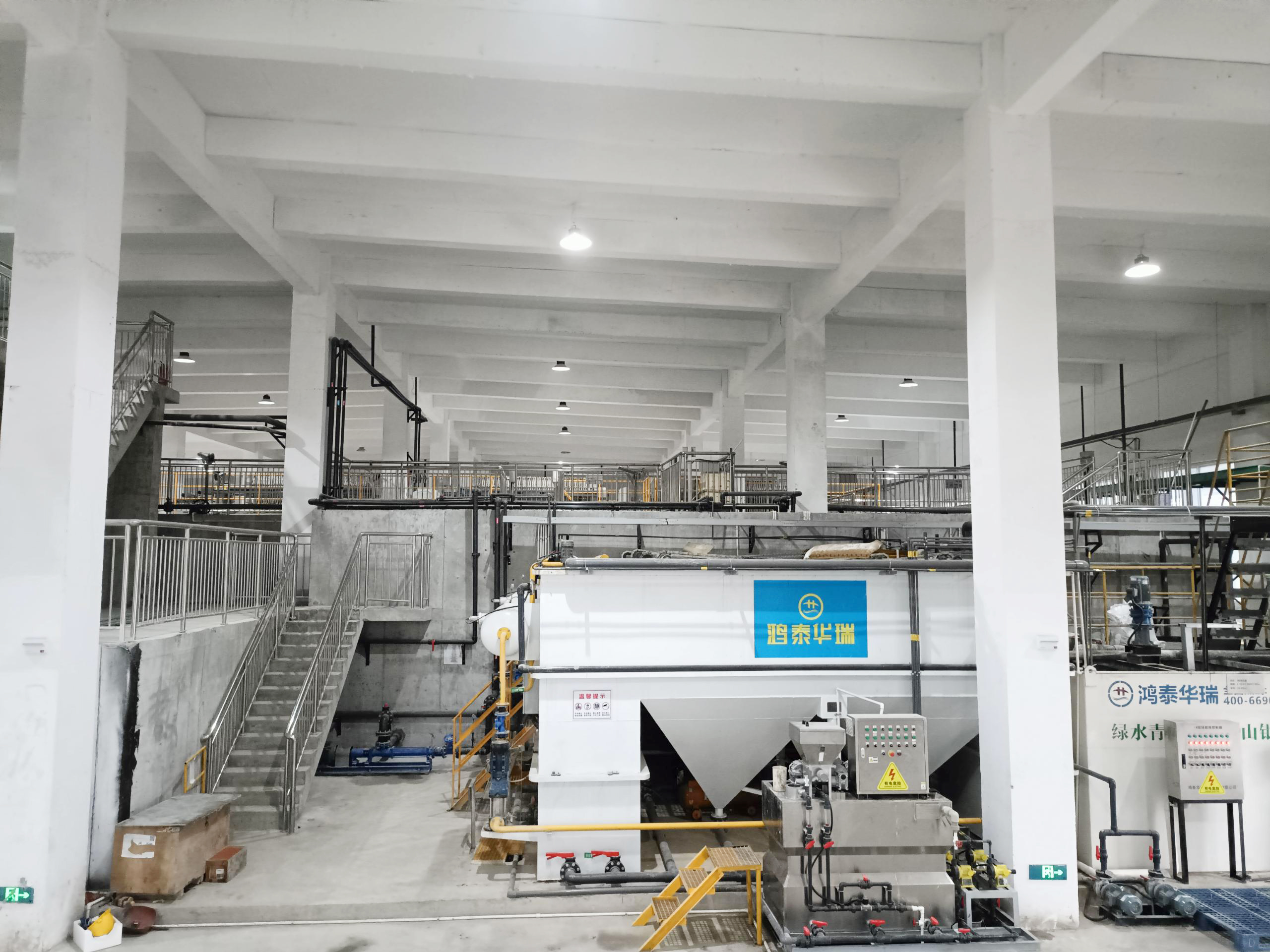
UASB (Upflow Anaerobic Sludge Blanket):
Suitable for COD < 5000 mg/L, volumetric load 4–8 kgCOD/m³·d, removal rate 60–75%.
IC (Internal Circulation) Anaerobic Tower:
Suitable for high-concentration wastewater like brewing (COD > 5000 mg/L), load 15–25 kgCOD/m³·d, smaller footprint.
Biogas Utilization:
Each 1 kg COD removed produces 0.3–0.5 Nm³ of biogas. For 500 m³/d influent with COD 2000 mg/L, 150–250 Nm³ biogas is produced daily, usable for boilers or power generation, offsetting 20–30% of electricity consumption (~300–500 kWh/d).
③ Aerobic Treatment: From “biodegradable” to “compliant”
After anaerobic treatment, effluent COD is usually 300–800 mg/L and requires an aerobic system for final polishing.
SBR (Sequencing Batch Reactor):
Suitable for 200–400 m³/d intermittent discharge. A single tank completes aeration, sedimentation, and drainage, offering operational flexibility.
A/O Process:
Preferred for high ammonia nitrogen wastewater from slaughtering. Alternating anoxic/aerobic stages achieve 60–75% total nitrogen removal.
MBR (Membrane Bioreactor):
Effluent SS ≈ 0, directly reusable. Operating costs are higher; recommended for >500 m³/d or space-limited sites.
④ Advanced Treatment: Backup for “stringent discharge” or reuse
Multi-media filtration / Ultrafiltration:SS < 5 mg/L
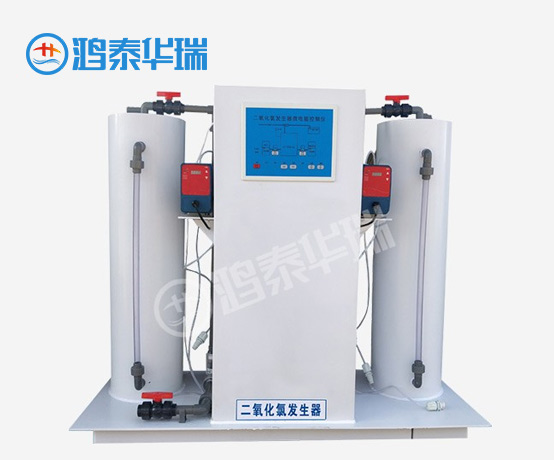
UV Disinfection (≥30 mJ/cm²) or Chlorine Dioxide:E. coli ≤ 3 per L
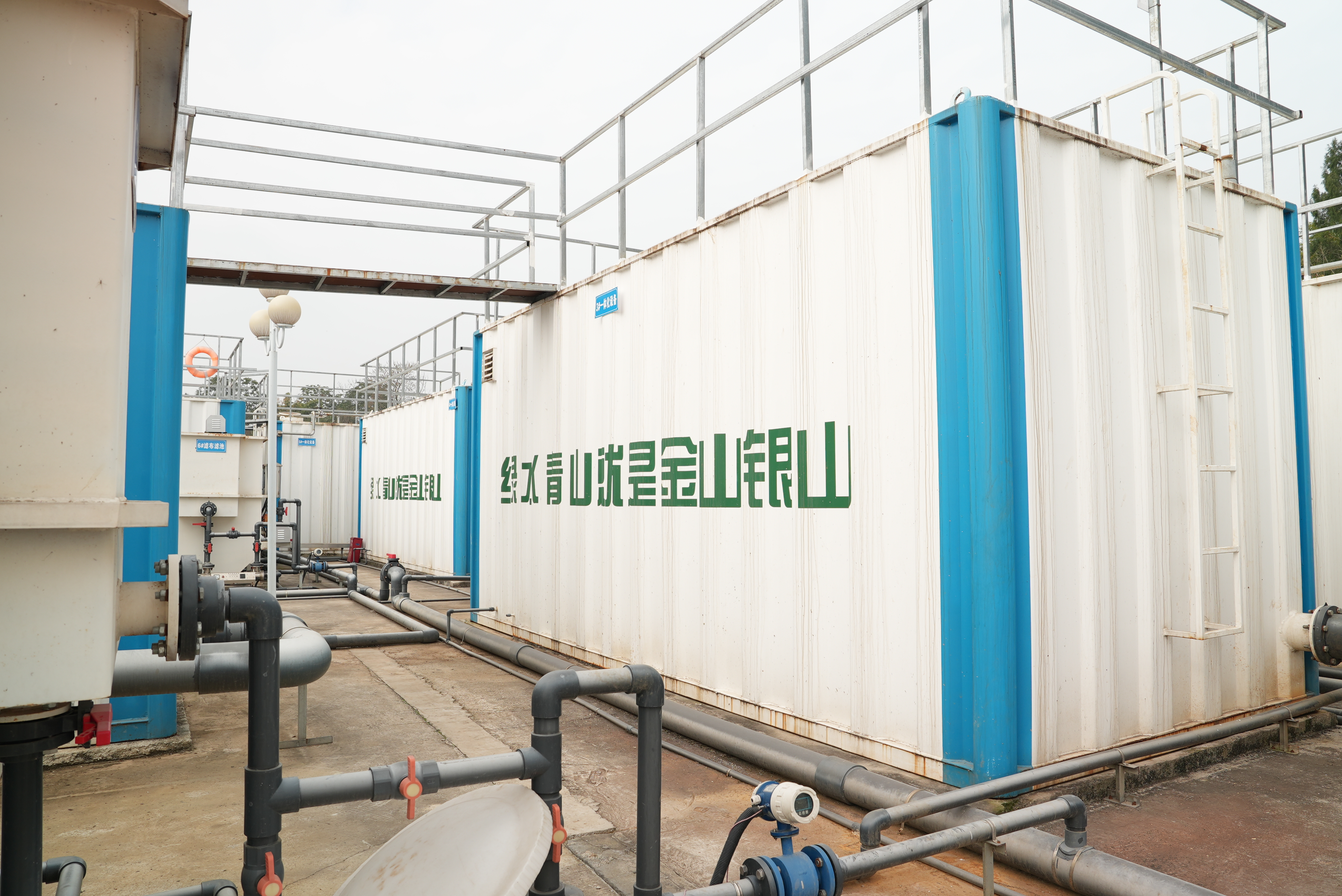
How to Choose the Process for Different Scales? (Including Investment & Operating Cost References)
|
Scale (m ³/d)
|
Recommended process combination
|
Investment Estimate
(10,000 RMB)
|
Operating Cost
(RMB/m³)
|
|
200–300
|
Grille + oil separation + air flotation +SBR+ disinfection
|
80–150
|
3.5–5.5
|
|
300–500
|
+UASB+A/O+ Filter
|
200–350
|
2.8–4.5
|
|
500–800
|
+IC Anaerobic +UF
|
400–700
|
2.2–3.8
|
Excludes land acquisition costs; operating cost excludes sludge disposal.
Key Equipment at a Glance
|
Equipment
|
Function
|
Key Parameters
|
|
Rotary Microfilter
|
Capture large particles
|
Aperture 0.5–1 mm
|
|
DAF
|
Remove oil & suspended solids
|
Oil removal ≥90%
|
|
UASB / IC
|
Efficient COD degradation
|
Load 4–8 / 15–25 kgCOD/m³·d
|
|
SBR / A/O
|
Biochemical compliance
|
MLSS 3000–5000 mg/L
|
|
Centrifugal Dewatering
|
Sludge reduction
|
Cake solids 18–25%
|
|
UV Disinfection
|
Sterilization
|
UV dose ≥30 mJ/cm²
|
Those “Invisible but Painful” Operational Issues
Foul Odor
Source: Anaerobic fermentation (H₂S, NH₃) and sludge decay
Countermeasures: Cover + biofilter; timely sludge removal; hypochlorite can be added in the flotation stage for deodorization
Foam in Aerobic Tank
Cause: Excessive detergents (surfactants) or bulking of filamentous bacteria
Countermeasures: Control influent surfactants; adjust C:N:P to 100:5:1; use backup defoamer (≤10 mg/L)
Where Does the Sludge Go?
Food wastewater sludge is high in organic matter and low in heavy metals, making it an excellent raw material for fertilizer:
Composting: Mix with straw, high-temperature fermentation for 15–20 days → organic fertilizer
Drying and granulation: Increase solid content to 60–80% and produce commercial granular fertilizer
Co-anaerobic treatment: Recycle to the anaerobic tank to increase biogas production
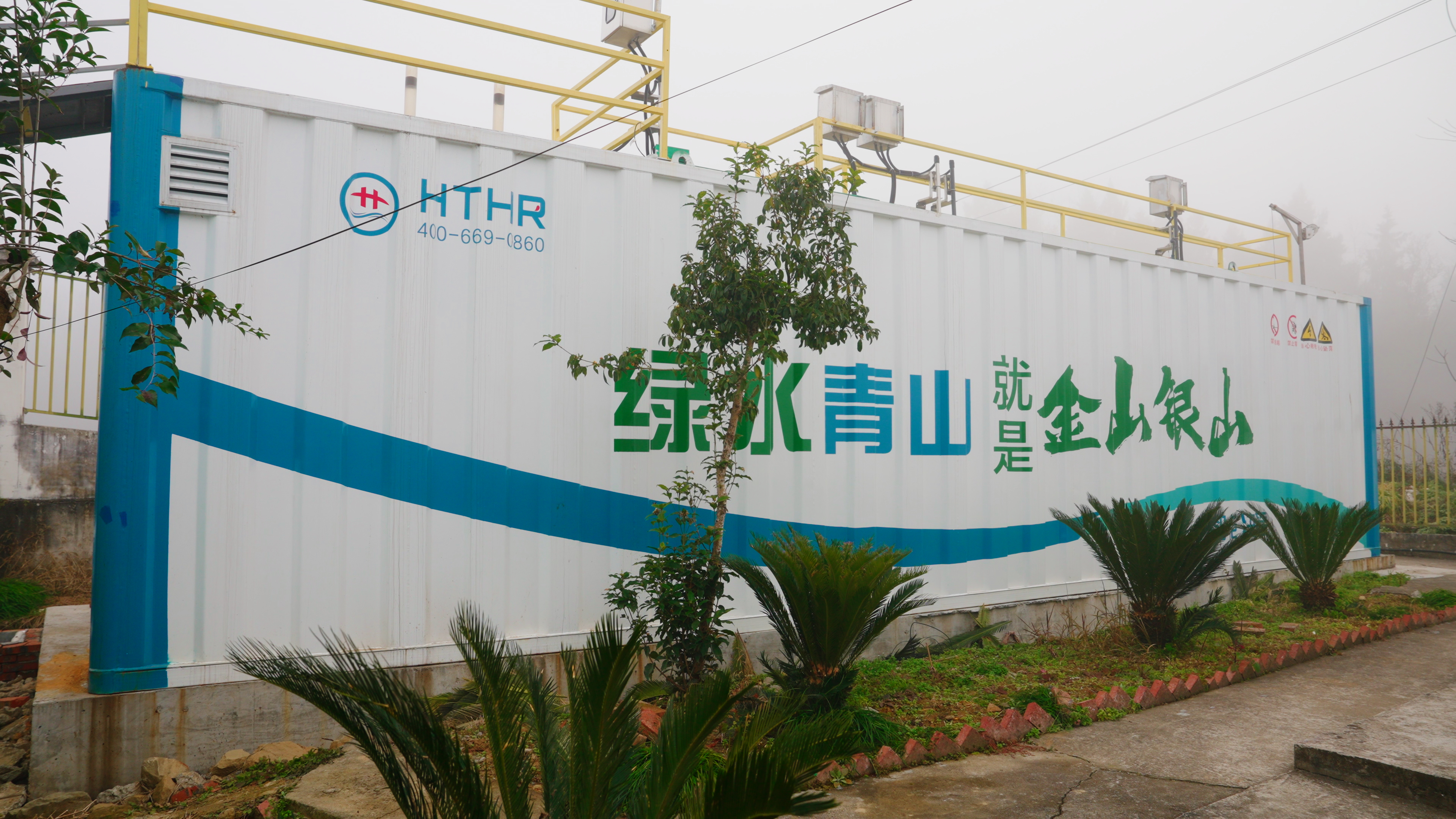
Where Is the Major Energy Consumption and How to Save It?
Aeration system accounts for the highest proportion → use high-efficiency microporous aeration discs + online DO control (2–3 mg/L)
Flotation system: electricity consumption about 0.1–0.2 kWh/m³
Sludge dewatering: about 0.05–0.1 kWh/m³
With biogas energy recovery, a well-designed system can keep net operating costs around 2–4 RMB/m³.
Don’t Forget the “Environmental Compliance” Pass
Apply for a discharge permit, with both concentration and total quantity controls
For daily treatment ≥500 m³, it is recommended to install online COD/ammonia nitrogen monitoring and connect it to the network
Sludge is considered general solid waste and must be handled by a qualified unit with record keeping
Develop emergency plans (prepare lime slurry, sodium hypochlorite, etc.) to cope with influent shocks
Finally, Three Core Recommendations
- Use anaerobic treatment whenever possible
As long as influent COD > 1000 mg/L, anaerobic treatment is far more economical and effective in reducing emissions than purely aerobic treatment.
- Invest half your effort in pretreatment
More than half of operational failures come from improper design of screens, flotation, or regulating tanks.
- Don’t ignore data-driven operation
Online DO, pH, COD sensors + simple automatic control system can reduce about 30% of labor costs while significantly improving stability.
Food processing wastewater treatment is not something you can “buy equipment and then relax.” It is a dynamic system that requires proper process, standardized operation, and continuous optimization. But if you follow the main line of pretreatment to preserve biochemical activity → anaerobic load reduction → aerobic compliance → advanced treatment for quality improvement, along with a bit of biogas recovery and sludge resource utilization, you can achieve stable compliance, controllable costs, and even create value.
This article serves as a general engineering design guide; specific projects should be refined based on actual water quality, site conditions, and local discharge standards.
If you are also working on environmental protection in food processing or struggling with corporate wastewater treatment, feel free to leave a comment for discussion.
Also, feel free to share it with colleagues who might need it.
Follow me to get more practical notes on industrial wastewater and low-carbon technologies.


 hthrjt2017@gmail.com