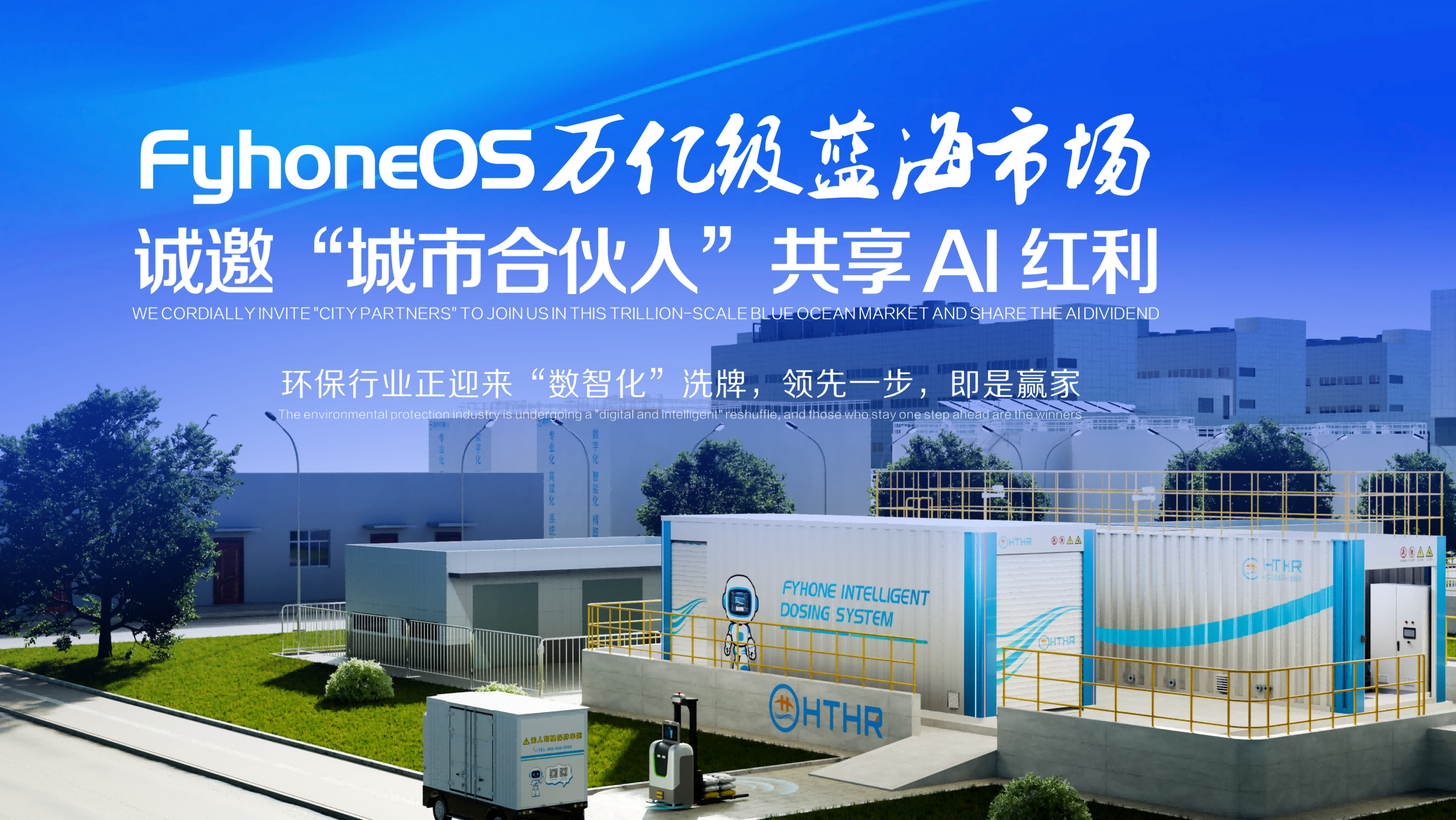
The world’s fastest-growing urban corridors are facing a silent crisis beneath their skylines.
In Riyadh’s ever-expanding industrial zones, in delta cities across Vietnam and Indonesia, and within Gulf water networks dominated by desalination, wastewater treatment plants are still operating on yesterday’s logic — reactive maintenance cycles, siloed operational data, and human resources stretched to their limits in nonstop facilities.
The cost is not only operational, but also environmental, reputational, and increasingly regulatory.
The Hongtai Huarui FyhoneOS was built to address this challenge — not through incremental upgrades, but through an entirely new operational paradigm: an integrated “human-vehicle-machine” intelligent ecosystem.
“Not intelligent enough”: the dilemma of “intelligence”

Most wastewater digitalization projects offer dashboards, sleek interfaces, and real-time data — yet still rely on human experts to interpret, decide, and act.
The gap between data visibility and operational intelligence consumes millions in efficiency gains each year.
Facilities in the Middle East face compounded pressures: extreme heat accelerates equipment aging, water scarcity makes every liter strategically significant, and tightening compliance standards in the Vision 2030 era. Southeast Asia faces rapid urbanization — plants designed for past population levels are already overloaded before the next decade’s growth even arrives.
A dashboard cannot solve these problems. An ecosystem can.
The FyhoneOS “human-vehicle-machine” architecture
The Hongtai Huarui FyhoneOS integrates three operational layers into a unified “cognitive nervous system”:
Human layer — enhanced decision intelligence
Operators are no longer data collectors, but decision executors.
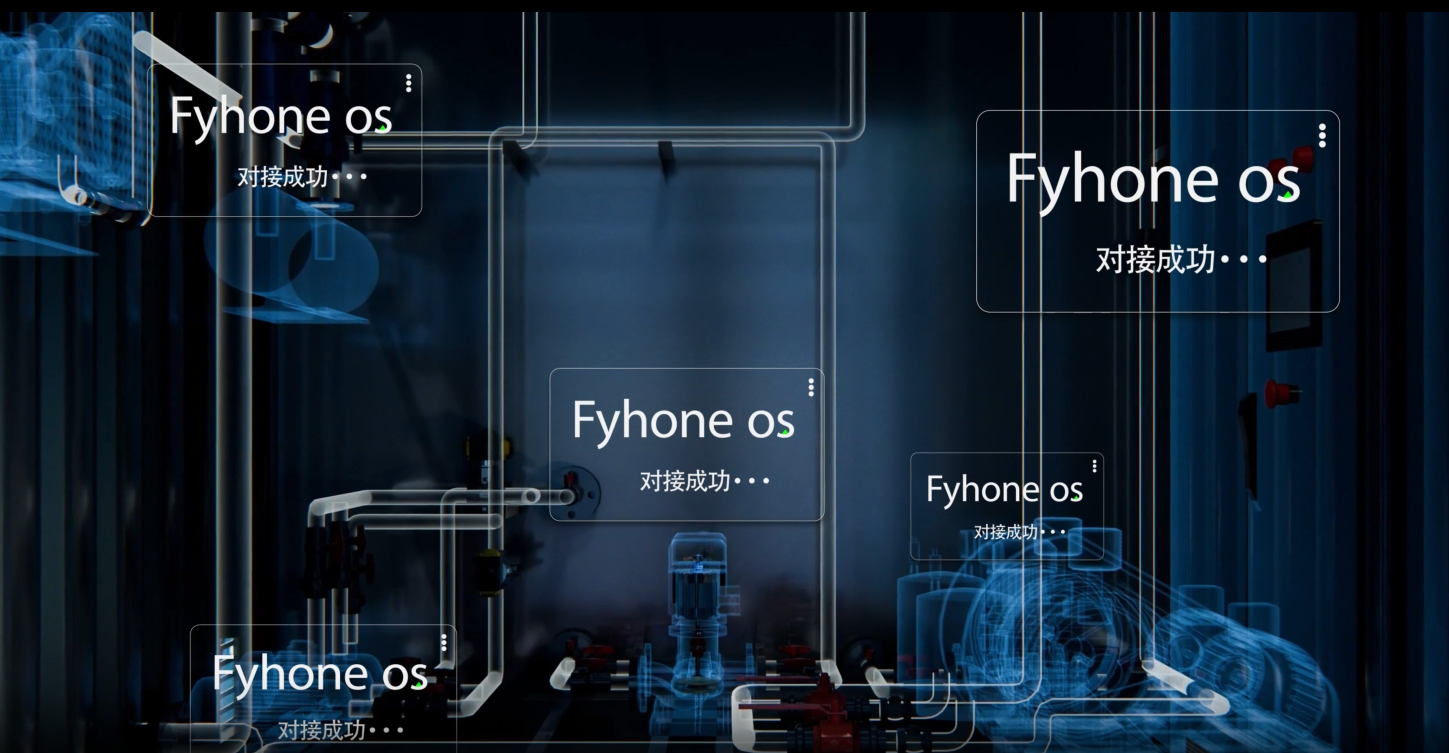
The system delivers role-based intelligent insights rather than raw sensor data. Shift supervisors see prioritized anomaly alerts with recommended actions; plant managers see KPI dashboards benchmarked against regional compliance standards; engineers see predictive maintenance windows before failures occur.
AI-assisted diagnostics significantly shorten decision time by delivering the right insights to the right person at the right moment. In facilities where qualified operators are scarce — a common reality in GCC and ASEAN markets — this capability has transformative multiplier effects.
Vehicle layer — logistics intelligence
Material distribution and emergency response for distributed wastewater plants have long relied on manual driving, plagued by scattered routes, delayed responses, and safety blind spots.
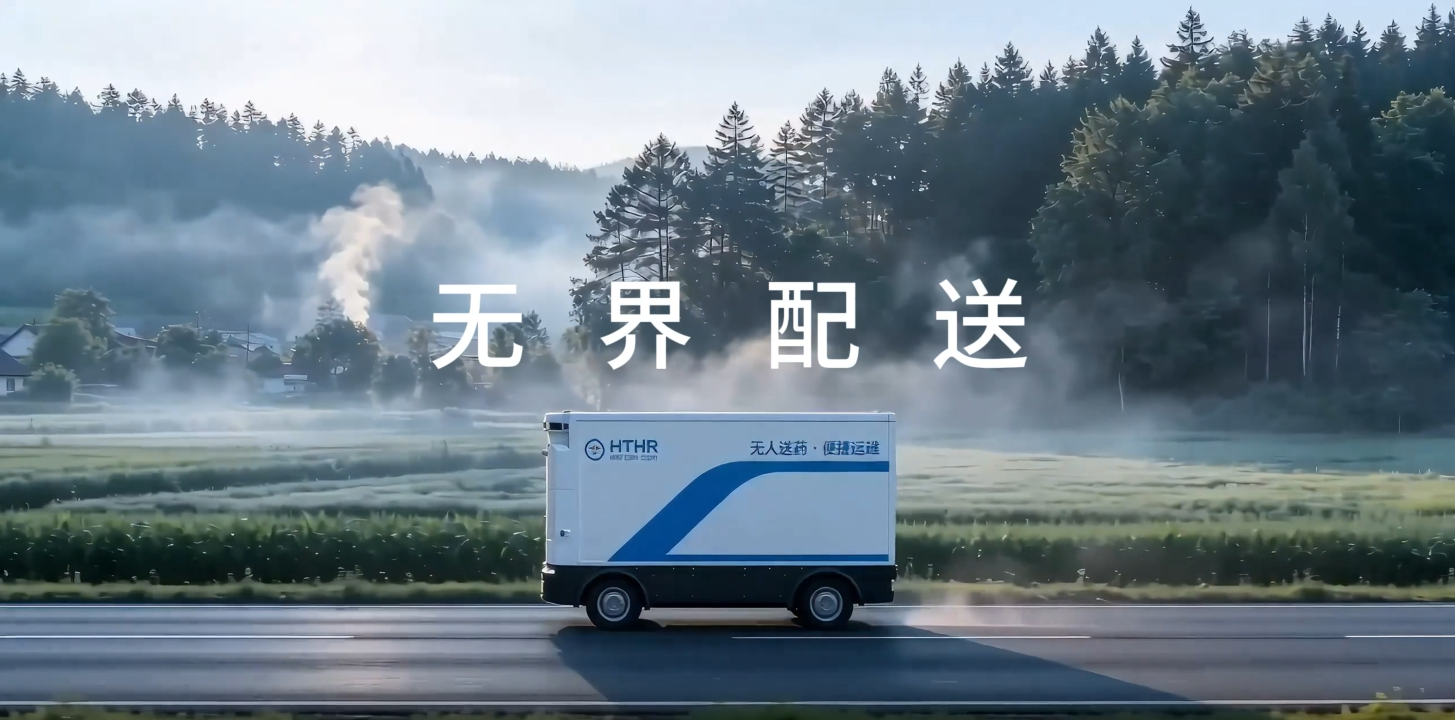
An unmanned dispatch system equipped with an AI scheduling engine, designed specifically for distributed sites, connects in real time with inventory levels, spare parts, and operational status across stations. It automatically plans optimal routes and dispatches autonomous vehicles to deliver chemicals, transport emergency supplies, or replace faulty components.
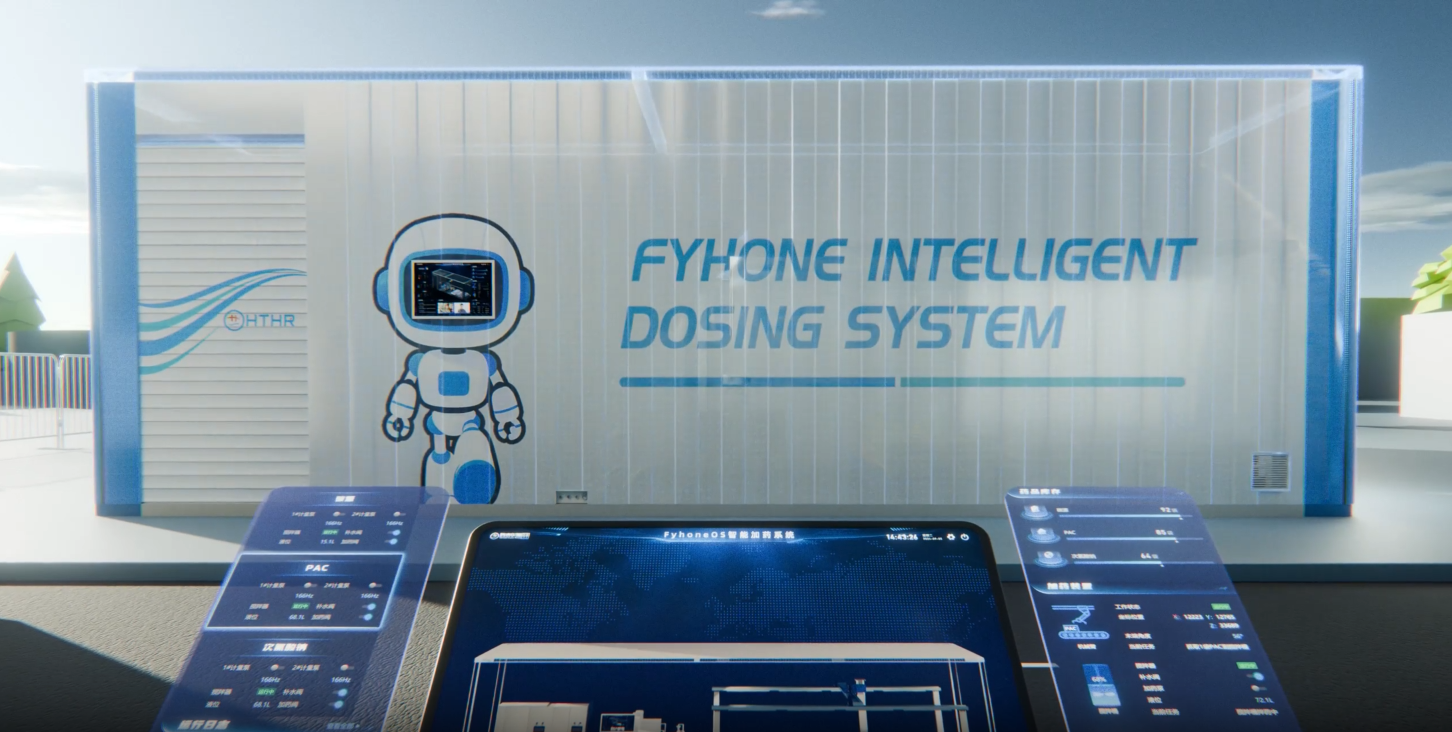
These vehicles can integrate lightweight sensing modules to collect key environmental data along routes or at stations and feed it back to the central intelligence layer, forming a closed loop between logistics and operational status: inventory shortages are flagged before delivery, emergency needs trigger dispatch within minutes, and maintenance routes dynamically avoid obstacles.
For distributed plant networks in Saudi industrial cities or across Indonesia’s vast municipal systems, this eliminates dangerous blind spots in manual driving and enables 24/7 unmanned, precise support.
Machine layer — adaptive process control
The treatment process optimizes itself.
FyhoneOS’s core process intelligence engine continuously calibrates aeration rates, chemical dosing, sludge recirculation, and discharge parameters — automatically responding to influent load variations, environmental conditions, and effluent quality targets without waiting for human intervention.
In regions where energy costs account for 30%–40% of operating expenses — such as much of Southeast Asia — adaptive aeration control alone can deliver measurable ROI within the first year. In the GCC, where water reuse standards are increasingly stringent, intelligent effluent management ensures continuous compliance while avoiding over-treatment waste.
Why the Middle East and Southeast Asia — and why now
These are not “emerging markets,” but “urgent markets.”
Middle East: National water security strategies in Saudi Arabia, the UAE, Oman, and Qatar are driving unprecedented investment in water infrastructure. Mega-projects such as NEOM and the Red Sea Project require systems that can operate with minimal specialized manpower, maximum energy efficiency, and zero-tolerance compliance. The FyhoneOS is designed for precisely these scenarios.
Southeast Asia: Indonesia, Vietnam, Thailand, and the Philippines face a dual challenge — rapidly expanding treatment capacity while upgrading aging facilities strained by urban growth. The “human-vehicle-machine” model provides a scalable upgrade path without requiring demolition and rebuilding. Existing facilities can gain intelligent capabilities without replacing core infrastructure.
Both regions share the same investment logic: the cost of intelligent operations is lower than the cost of continued reactive operations — across maintenance, energy, regulatory risk, and water waste.
Transformation in practice
When a municipal wastewater authority in Southeast Asia deploys the Fyhone ecosystem, the transformation unfolds as follows:
Weeks 1–4: Digital twin goes live. All operational assets are mapped, baseline performance is established, and anomaly detection begins.
Months 2–3: Autonomous inspection systems are established, and the first predictive maintenance cycle replaces reactive repairs.
Months 4–6: Adaptive control begins optimizing operations, energy consumption curves decline, and effluent quality stabilizes.
Months 6–12: Full intelligent ecosystem in operation. Staff shift from reactive firefighting to proactive facility management. Compliance reports are generated automatically, and management can monitor operations in real time from any device, anywhere.
This is not a pilot outcome — it is the designed standard of operation.
A new category of partnership
Hongtai Huarui is not selling software, nor sensors, nor consulting services.
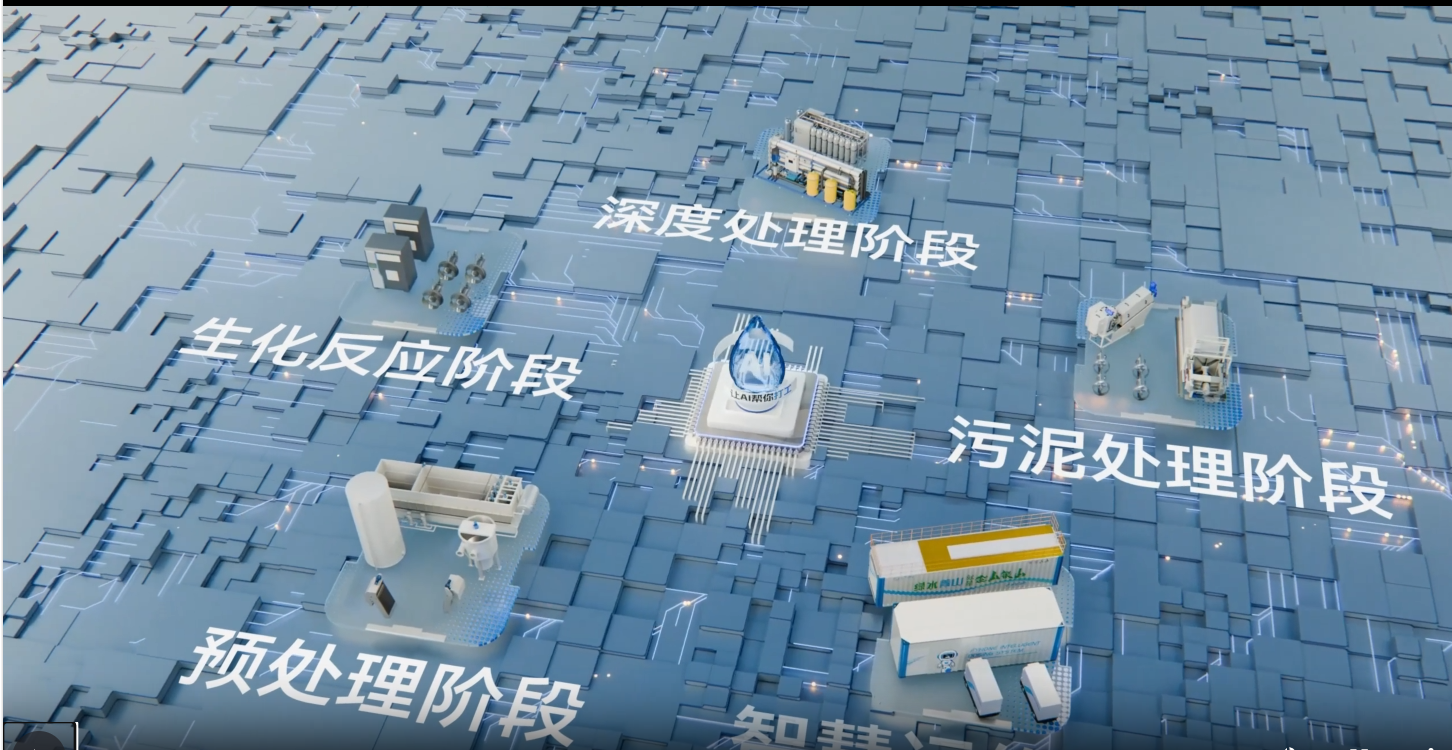
The FyhoneOS delivers a new operational paradigm — wastewater plants are no longer merely cost centers to be managed, but intelligent infrastructure assets that can be continuously optimized.
For water utilities, industrial operators, and infrastructure developers in the Middle East and Southeast Asia, if you are considering what next-generation wastewater operations will look like — the answer is the “human-vehicle-machine” ecosystem.
The technology is ready. The market demand is urgent. The opportunity for collaboration is now.
Hongtai Huarui | FyhoneOS
Smart wastewater infrastructure for global growth markets
Contact us to learn how FyhoneOS can help transform your facility operations across GCC, ASEAN, and beyond.


 hthrjt2017@gmail.com