A Thriving Industrial Land, an Invisible Red Line
If you have ever driven through the industrial corridor of Binh Duong Province or visited suppliers in Dong Nai Province's industrial parks, you would see an inspiring scene: factories standing tall, trucks constantly shuttling, production lines running day and night. This is one of Southeast Asia’s most active manufacturing hubs, hosting the capacity transfer of thousands of factories from many countries and the restructuring of global supply chains.
But if you stand by a river running through an industrial park on a rainy evening, you might see a different picture: murky water, pungent odors, and banks where clandestine pipes have been secretly buried.
This is not an isolated phenomenon. Nationwide, Vietnam’s wastewater treatment compliance rate is below 13%, and over a third of enterprises in industrial parks still fail to treat wastewater according to standards. In provinces with high industrial density like Binh Duong and Dong Nai, the problem is particularly pronounced.

Tighter Policies, the Window for Factories is Closing
The Vietnamese government is not unaware of this problem. In recent years, news about the tightening of industrial wastewater regulations has been visibly frequent.
The newly revised Water Resources Law in 2023 established the core principles of integrated management of surface and groundwater, clarified the promotion of modernized water resource governance through digital platforms, and formally incorporated water resource security into the national strategic framework. After its official implementation in July 2024, the regulatory responsibilities of local governments were strengthened accordingly.
In February 2025, the Ministry of Natural Resources and Environment issued Notification No. 06/2025/TT-BTNMT, setting stricter national standards for industrial wastewater discharge, effective from September 2025. The notification clearly requires project owners to take direct responsibility for every pollutant parameter in wastewater, without exceeding allowed limits.
At the same time, the Vietnamese government approved a national green growth strategy in 2021, proposing that by 2030, 50% of wastewater in Class II or higher towns must meet discharge standards, reaching 100% coverage by 2050. Achieving these targets will inevitably compel every factory in the parks to bear more compliance responsibility.
For foreign-invested enterprises operating in Vietnam, this means environmental compliance is no longer an “optional task” but a prerequisite for production and business operations.
The Real Pain Isn’t in the Documents, It’s in the Night Shift Operations Room
Policies are macro, but pain points are concrete.
A mid-level production operations manager at an electronics factory in Binh Duong told us that what troubles him most is not the standards themselves, but that “there is no way to know if the water quality is currently compliant.” The on-site wastewater treatment facility has been in operation for ten years, monitoring instruments are aging, and data displays can only be viewed at the equipment itself. If night shift personnel overlook something, over-limit discharge may only be discovered the next day.
This situation is not unique. The Vietnamese wastewater treatment industry faces deep-rooted challenges, which can be summarized as follows:
First, information gaps. There is a lack of real-time information channels between decision-makers, managers, and frontline personnel. Upper management cannot know if equipment is operating normally, while lower-level staff do not know what to do after an over-limit event. The entire operation system heavily relies on personal experience and on-site judgment, with weak systematic support.
Second, reliance on manpower coupled with talent shortages. Skilled water treatment operators are already scarce locally, and night shifts are demanding with high technical requirements, leading to high staff turnover. Traditional manual dosing and process adjustment methods make consistent compliance a gamble “dependent on luck.”
Third, crude material delivery. Chemicals are key consumables in wastewater treatment, but current delivery methods are often “approximate replenishment,” causing waste and risking water quality fluctuations if replenishment is delayed. Improper storage also poses safety hazards.
Fourth, equipment isolation. Different treatment units lack interconnectivity, making integrated control impossible. Data cannot be aggregated, problems cannot be traced, and improvements cannot start.
FyhoneOS Design Logic: From “Human Reliance” to “System Operation”
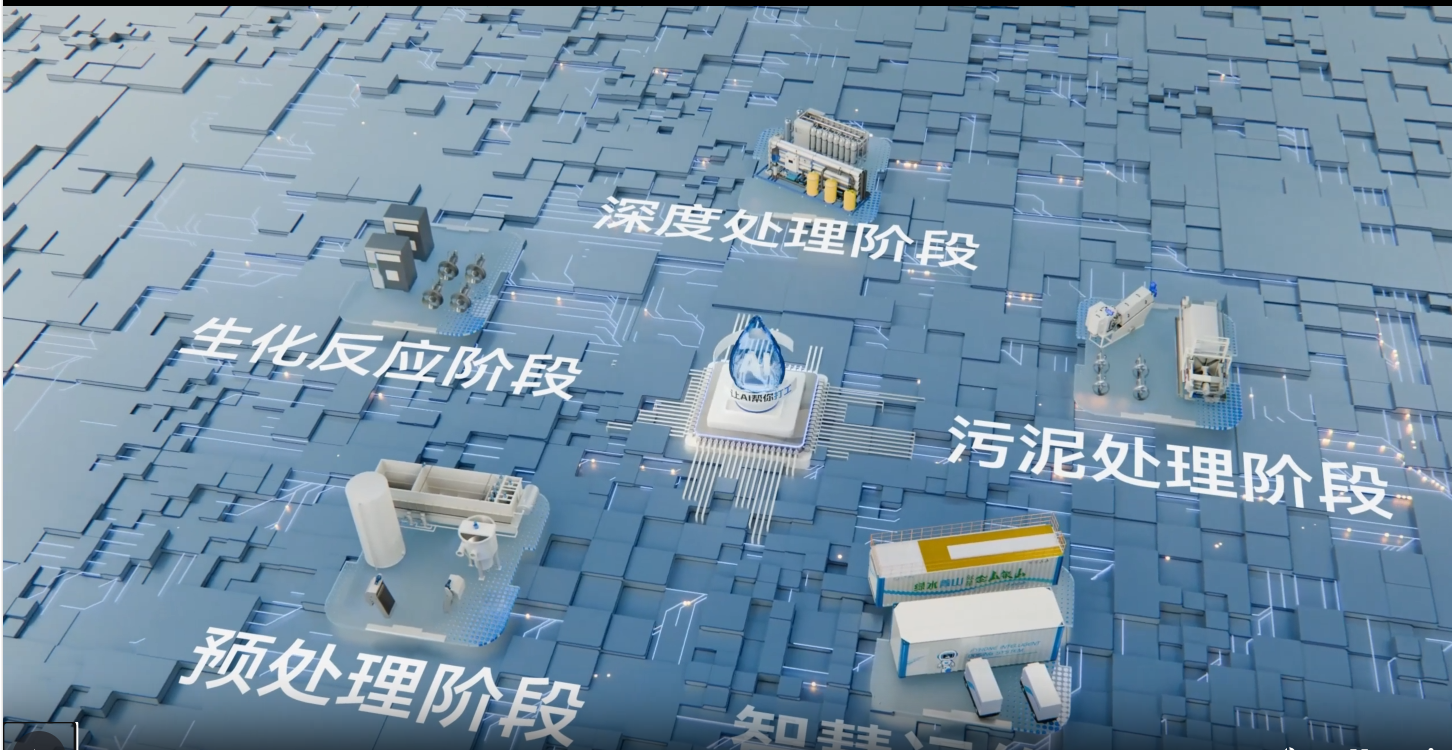
Hongtai Huarui launched the FyhoneOS designed to address the above pain points by creating an end-to-end smart wastewater operation solution across three dimensions: people, vehicles, and machines.
People: Provide each of three roles with the “visibility” they need
Traditional wastewater systems primarily serve frontline operators, but the FyhoneOS redefines “users,” serving three distinct roles.
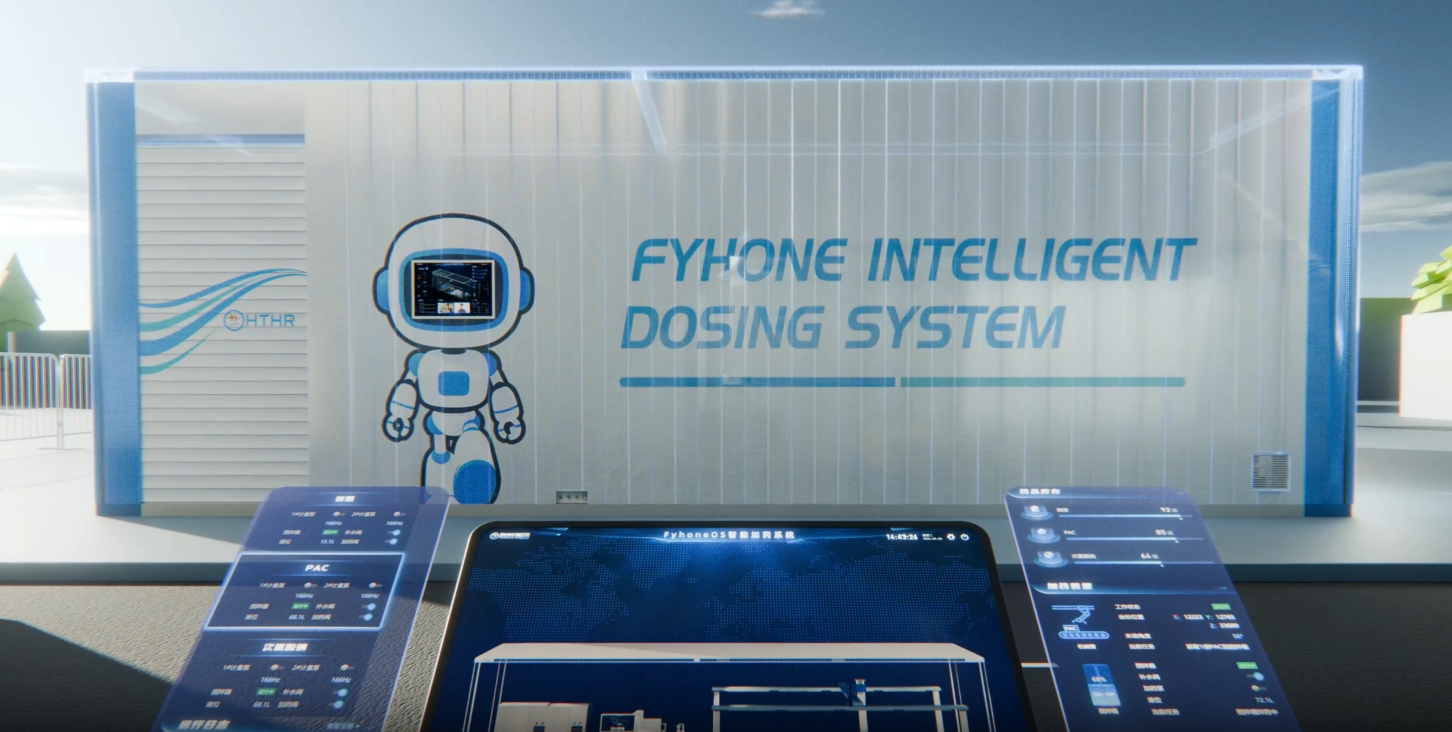
For senior decision-makers, FyhoneOS offers a management dashboard that aggregates real-time water quality data, compliance trends, energy, and chemical consumption into visual reports, supporting compliance risk assessment and resource allocation decisions. A plant manager no longer needs to walk to the treatment station daily—he can know compliance status at a glance via his phone.
For mid-level managers, the system provides tiered alert mechanisms. When an indicator approaches a critical value, the system automatically sends an alert with suggested actions. Managers can dispatch resources remotely without being on site.
For frontline operators, the system provides operational guidance and equipment status prompts, turning complex process parameter decisions into a “next-step checklist.” Even inexperienced employees can perform standardized operations with system assistance.
Three roles, three interfaces, three interaction logics, but all share the same data foundation.
Vehicles: End the “trial-and-error” chemical delivery
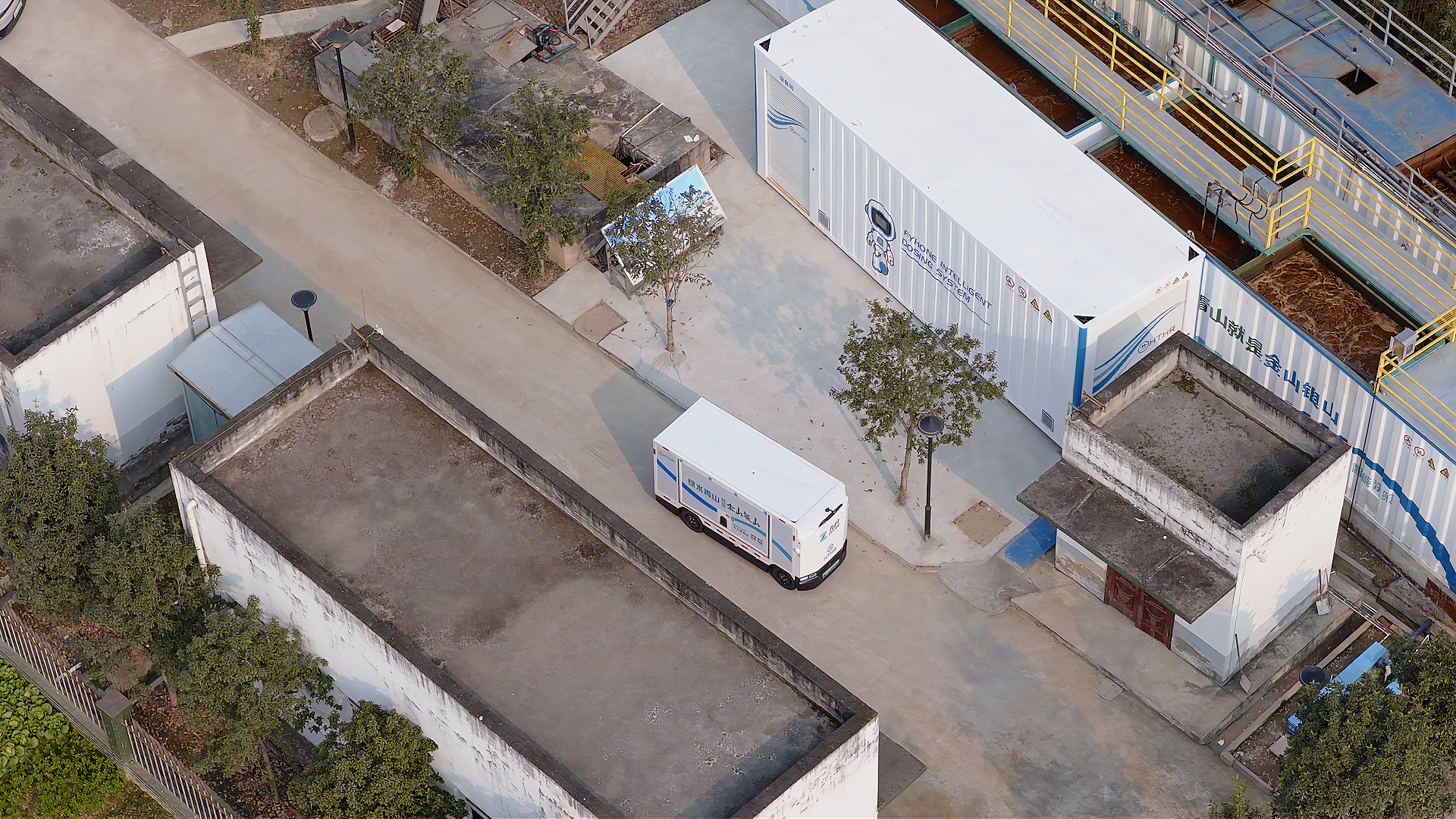
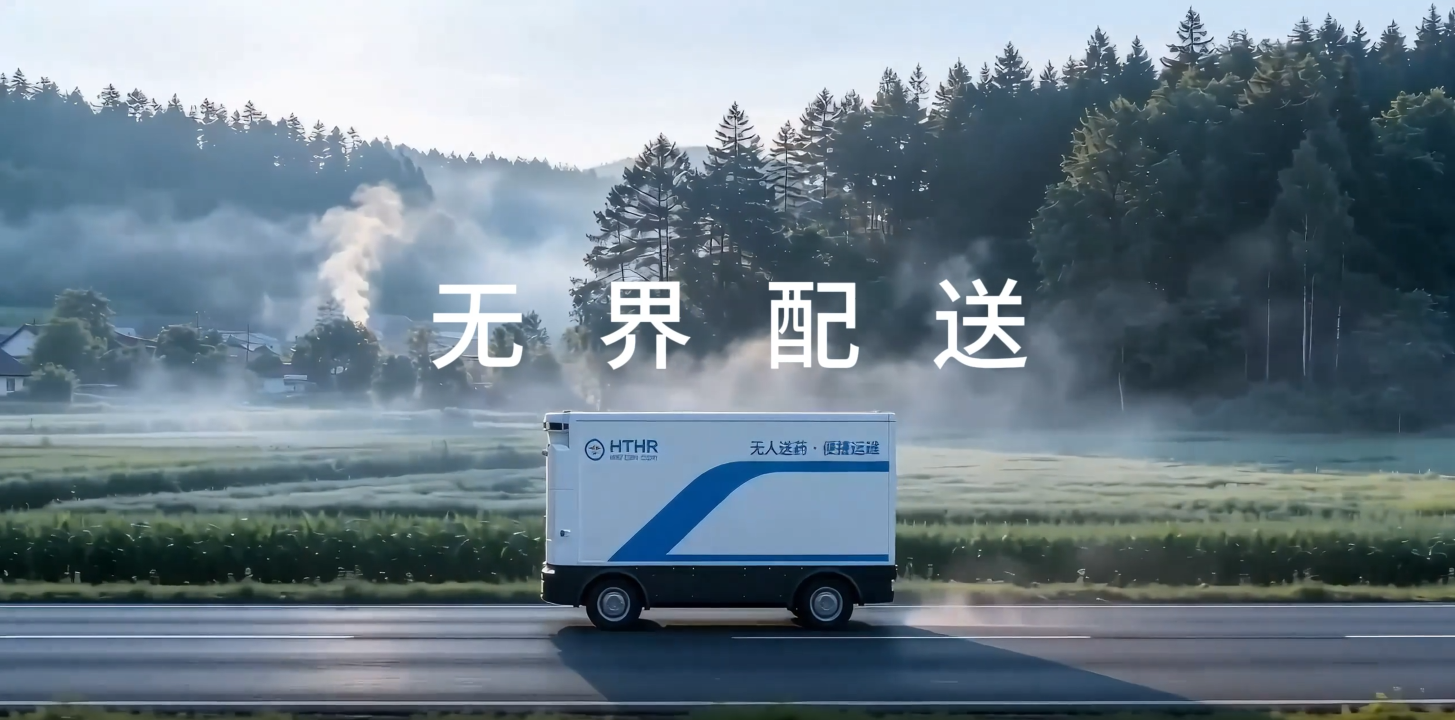
FyhoneOS unmanned vehicle scheduling and delivery system handles a crucial but often overlooked part of wastewater treatment: precise chemical delivery.
Based on real-time water quality, treatment load, and predicted demand, unmanned delivery vehicles follow predetermined routes, delivering chemicals at the right time, quantity, and location, while automatically recording and verifying. This eliminates manual dosing uncertainty: no more “rough estimate” dosing, no more loss of process control due to overnight absence, and no safety risk during chemical handling.
In a large industrial park with multiple treatment units, the system coordinates multiple delivery vehicles, creating an efficient material circulation loop.
Machines: Enable equipment to “think” rather than wait for humans
The terminal execution layer is the physical foundation of the FyhoneOS and directly affects effluent quality.
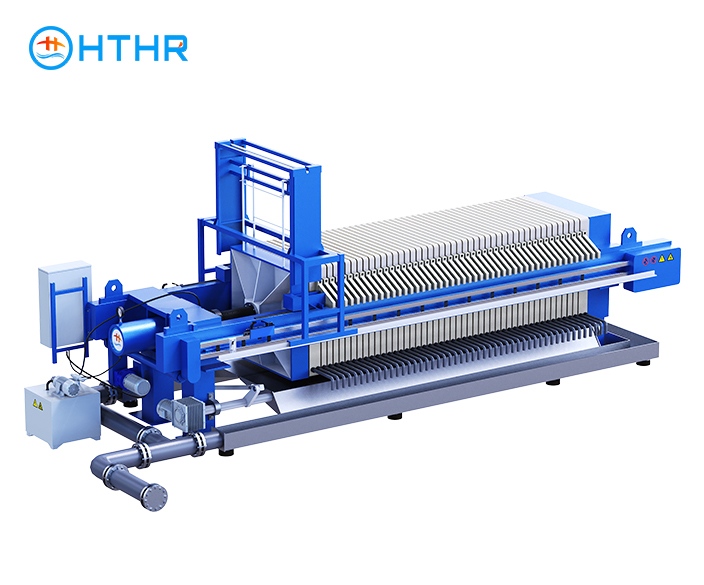
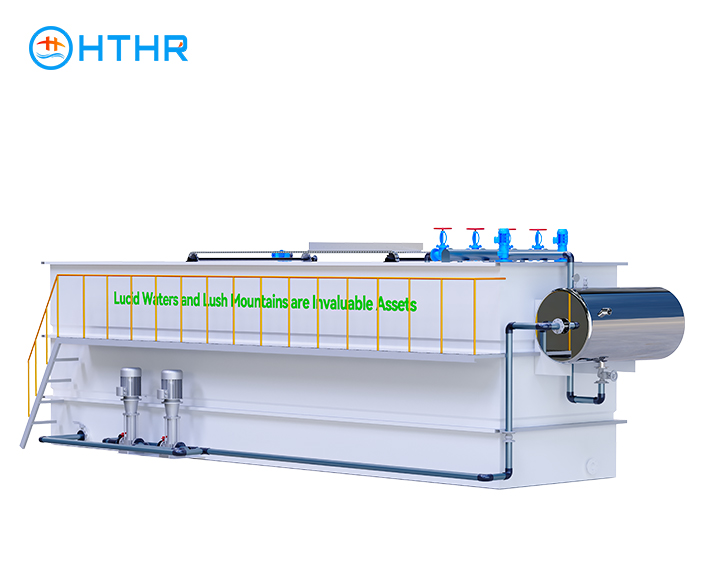
FyhoneOS integrated wastewater treatment equipment combines biochemical treatment, sedimentation, and filtration units, automatically adjusting operational parameters according to real-time influent quality, achieving efficient and stable treatment in limited space—especially important in land-constrained industrial parks.
The intelligent dosing system is another key component. Using real-time online water quality data and closed-loop control logic, it calculates and executes precise chemical dosing. Operational data show that, compared to traditional manual dosing, the intelligent system significantly reduces chemical consumption while improving effluent stability. This lowers operational costs and reduces compliance risks.
“People, Vehicles, Machines” is Not Three Products, But a Closed Loop
The core value of FyhoneOS lies not in any single module, but in data integration and coordinated interaction between them.
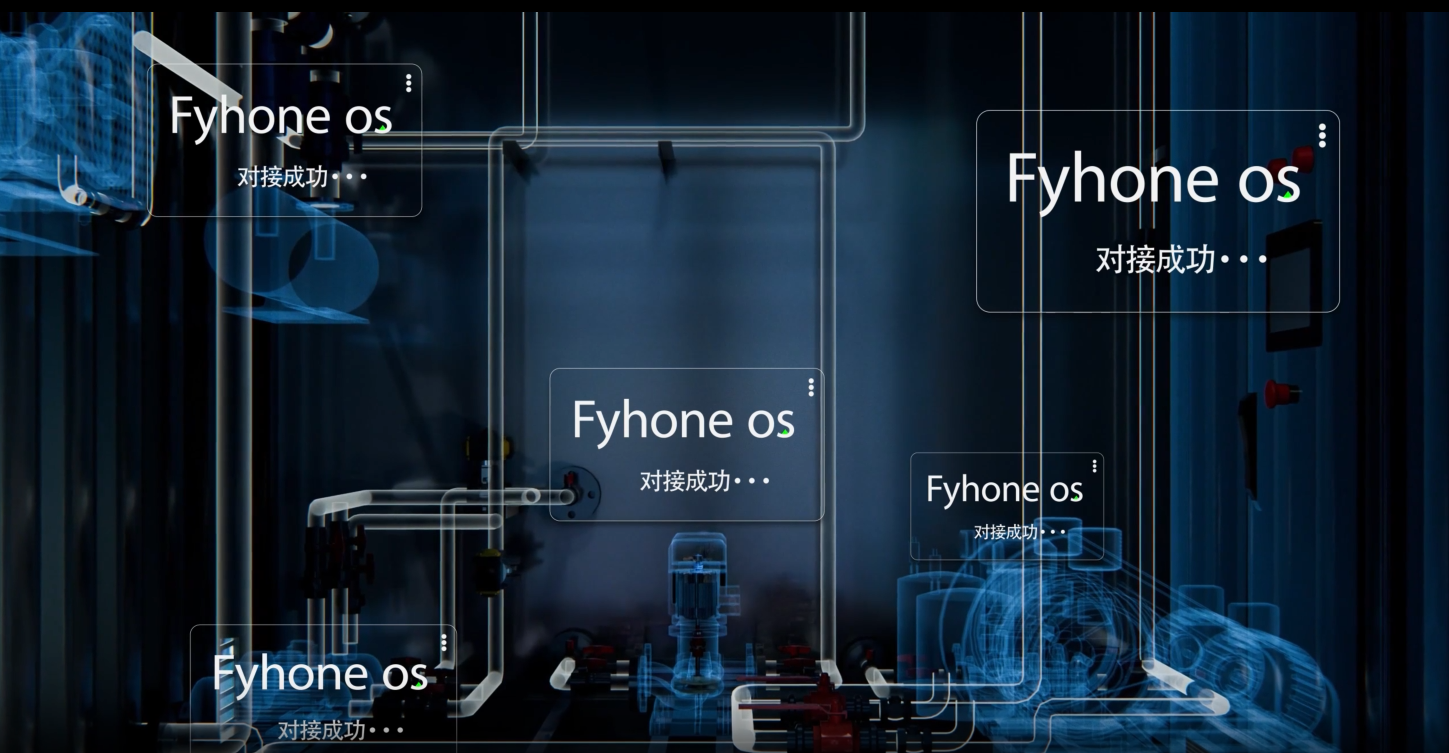
Data collected by machines flows to the platform for human decision-making; human commands are executed through vehicles; vehicle delivery status feeds back to the platform for verification. The system forms a complete “perception—transmission—decision—execution—feedback” closed loop, not just a collection of isolated tools.
For factories operating in Binh Duong and Dong Nai, this system brings change in three words: visible (real-time data visualization), controllable (tiered alerts and remote dispatch), and economical (reduced chemical and labor consumption).
A Question That Must Be Answered
Vietnam’s industrialization will continue, and industrial parks in Binh Duong and Dong Nai will keep expanding. At the same time, environmental regulatory windows are narrowing, and ESG compliance pressure is passing from multinational clients to every supply chain node.
Wastewater treatment, once an “as long as it exists” issue, is now a “must get right” issue.
Hongtai Huarui’s FyhoneOS “People-Vehicles-Machines” framework provides a systematic answer—not relying on humans, not relying on luck, but on data, scheduling, and intelligent equipment, making compliance routine and operations preventive rather than reactive.
This is the future direction of industrial water treatment operations.



 hthrjt2017@gmail.com