The core design logic of FyhoneOS is not to replace human labor with technology, but to clearly define the boundaries of responsibility among personnel, intelligent scheduling systems, and terminal execution devices, allowing each layer to its value in the most suitable position. This enables distributed wastewater treatment stations to operate efficiently, stably, and at low cost.
Common pain points in the distributed wastewater treatment industry: many sites, long distances, insufficient manpower
In distributed wastewater treatment scenarios, almost all operations teams face the same challenges: a large number of sites, wide geographical distribution, and limited staffing for operations and maintenance. One operator often needs to monitor the operating status of more than a dozen stations simultaneously, traveling back and forth every day to complete large amounts of repetitive work such as chemical dosing checks, equipment inspections, and effluent quality monitoring.
This is not merely an efficiency issue, but a structural contradiction inherent in the distributed governance model. The advantage of distributed wastewater treatment lies in treating sewage locally and reducing pipeline transport pressure, but the difficulty of operation and management increases linearly with the number of stations. A large amount of manpower is consumed in tasks that could be automated, leading to high overall operation and maintenance costs, slow response times, and difficulty in supervision.
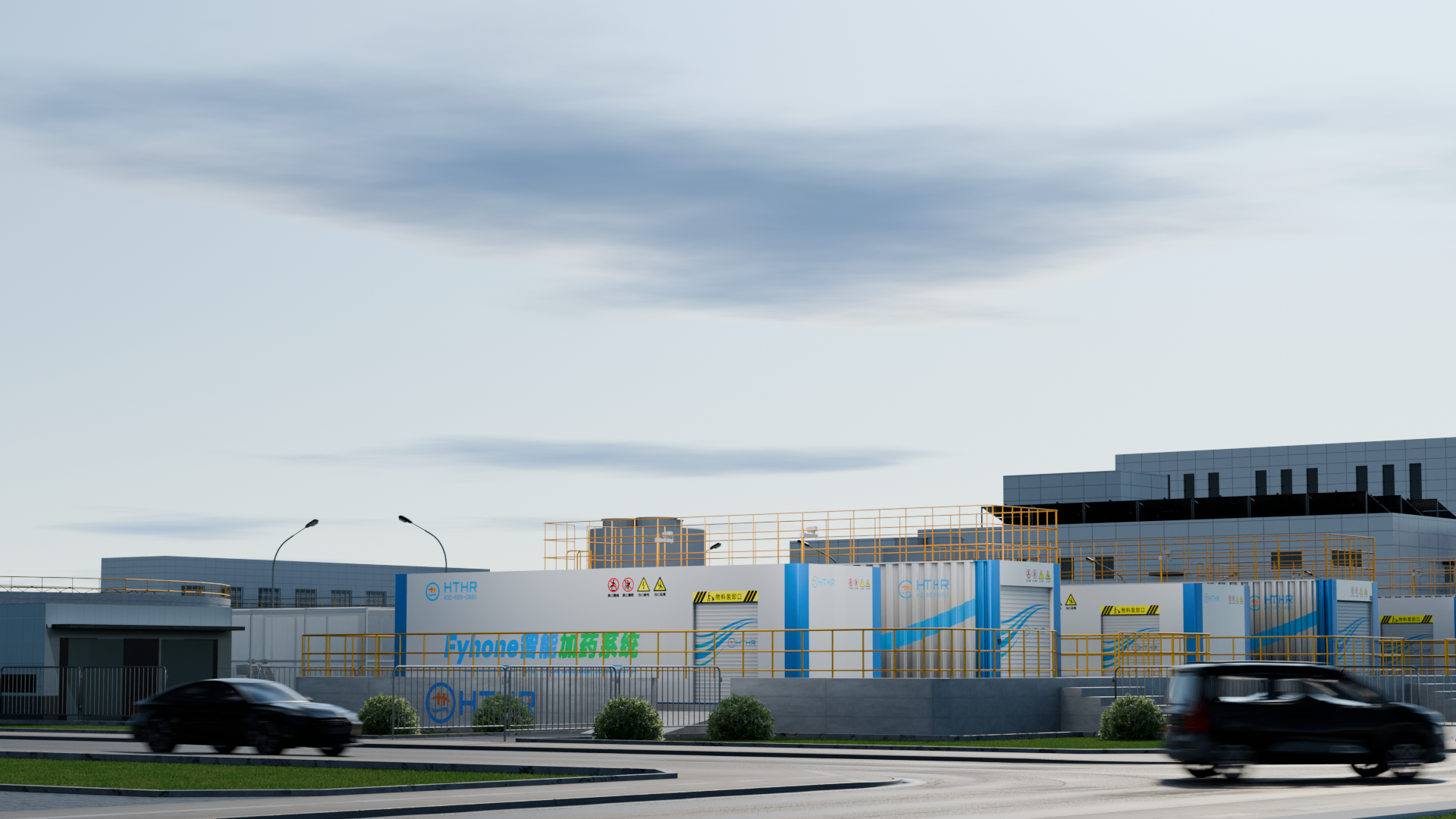
FyhoneOS was created precisely to address this industry pain point—not by increasing manpower investment, but by achieving large-scale and refined management of distributed stations through intelligent scheduling and restructuring of responsibilities and authority.
Three-layer integrated architecture: coordinated operation of people, scheduling, and equipment
FyhoneOS adopts a three-layer collaborative architecture of “people + vehicle + machine,” forming a complete operational closed loop.
Personnel layer: focusing on decision-making and anomaly judgment
This layer serves enterprise decision-makers, middle managers, and frontline operators. Its core responsibilities include data review, strategy formulation, and handling abnormal situations. Personnel are no longer heavily occupied by routine inspections and manual operations, but instead focus on high-value tasks that require human judgment and decision-making.
Scheduling layer: global coordination and intelligent allocation
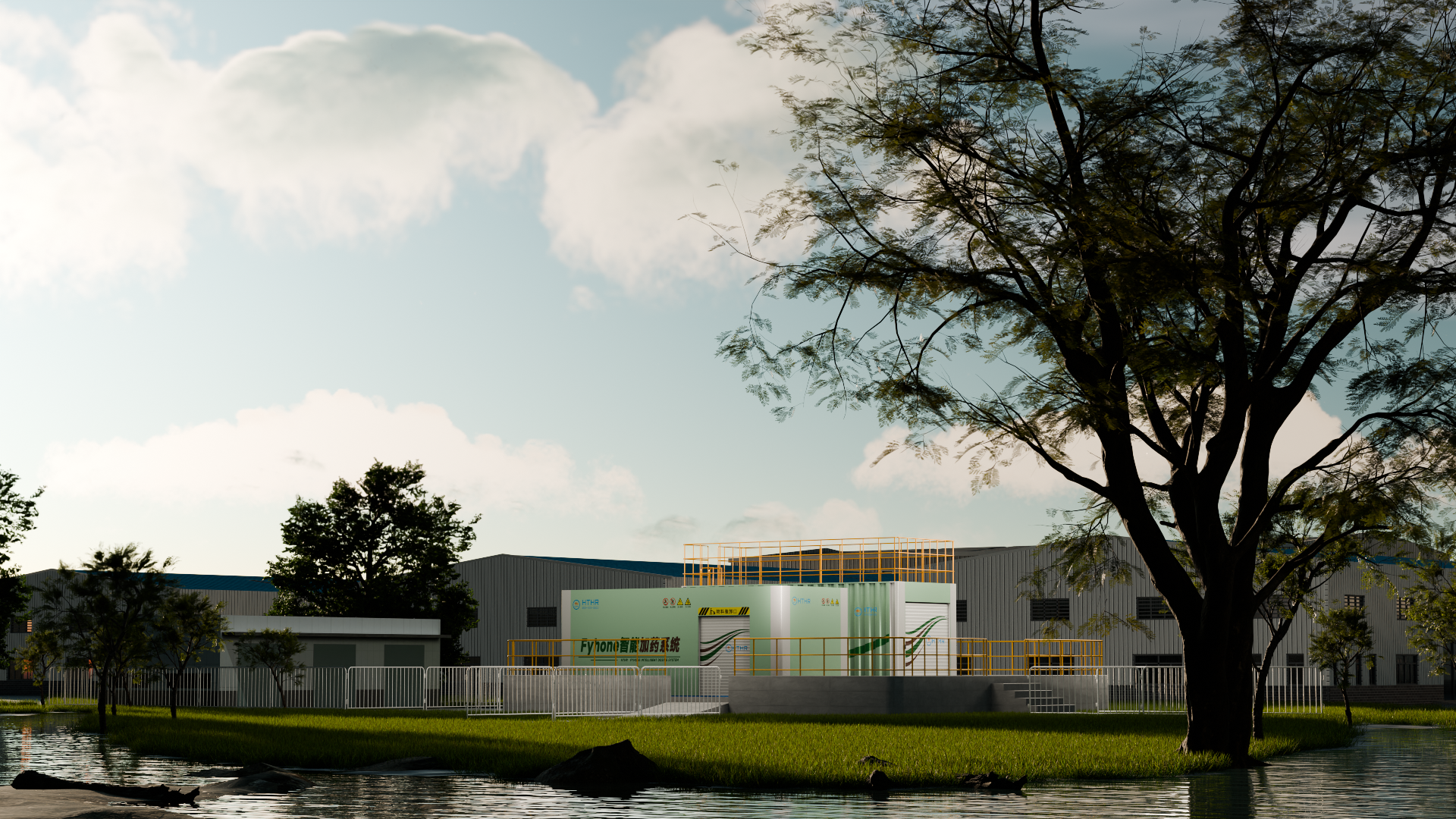
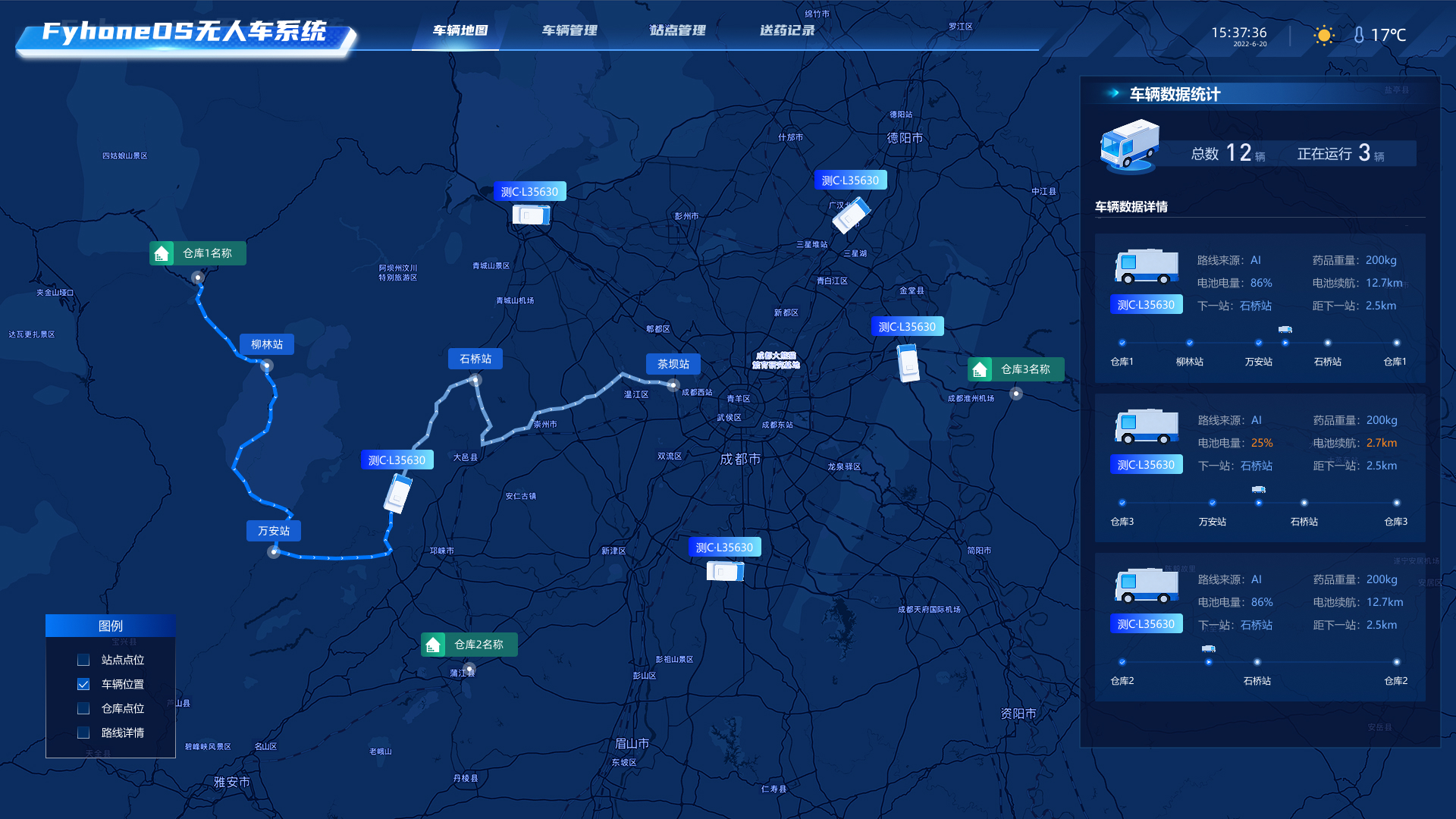
Centered on the FyhoneOS intelligent scheduling system, this layer functions as a 24/7 intelligent hub. It dynamically allocates tasks across stations based on real-time water quality data, optimizes processing sequences, and coordinates resources across the entire network. In distributed station scenarios, the scheduling layer is the key link connecting personnel and equipment, ensuring efficient system coordination.
Equipment layer: precise execution and real-time feedback
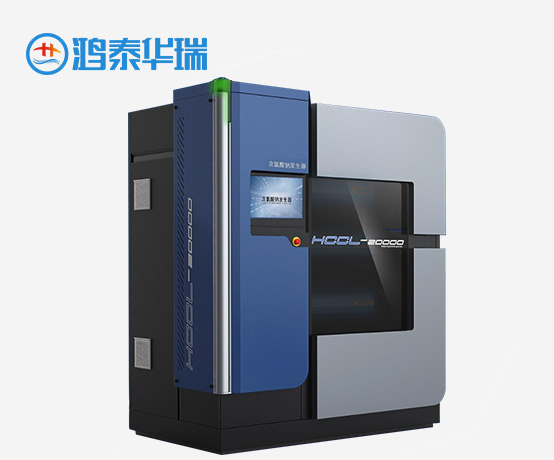
Terminal execution units such as intelligent dosing equipment and integrated wastewater treatment devices automatically carry out precise dosing, aeration, and other operations upon receiving scheduling instructions. All execution results are fed back to the system in real time, forming a complete closed loop of “instruction issuance – automatic execution – data feedback.”
Information flows bidirectionally among the three layers: equipment execution data is fed back to the scheduling system, scheduling information is presented to management personnel, and human decisions are then returned to the scheduling layer. Each layer is an important node in the cyclical system.
Intelligent scheduling system: the “smart brain” of distributed wastewater treatment
Many people misunderstand unmanned scheduling as ordinary transportation equipment, but in FyhoneOS, the intelligent scheduling system is a globally coordinated intelligent engine. It monitors influent water quality, dosing status, equipment operation, and effluent warning indicators at each station in real time, and automatically arranges processing tasks in the optimal sequence without requiring manual confirmation one by one.
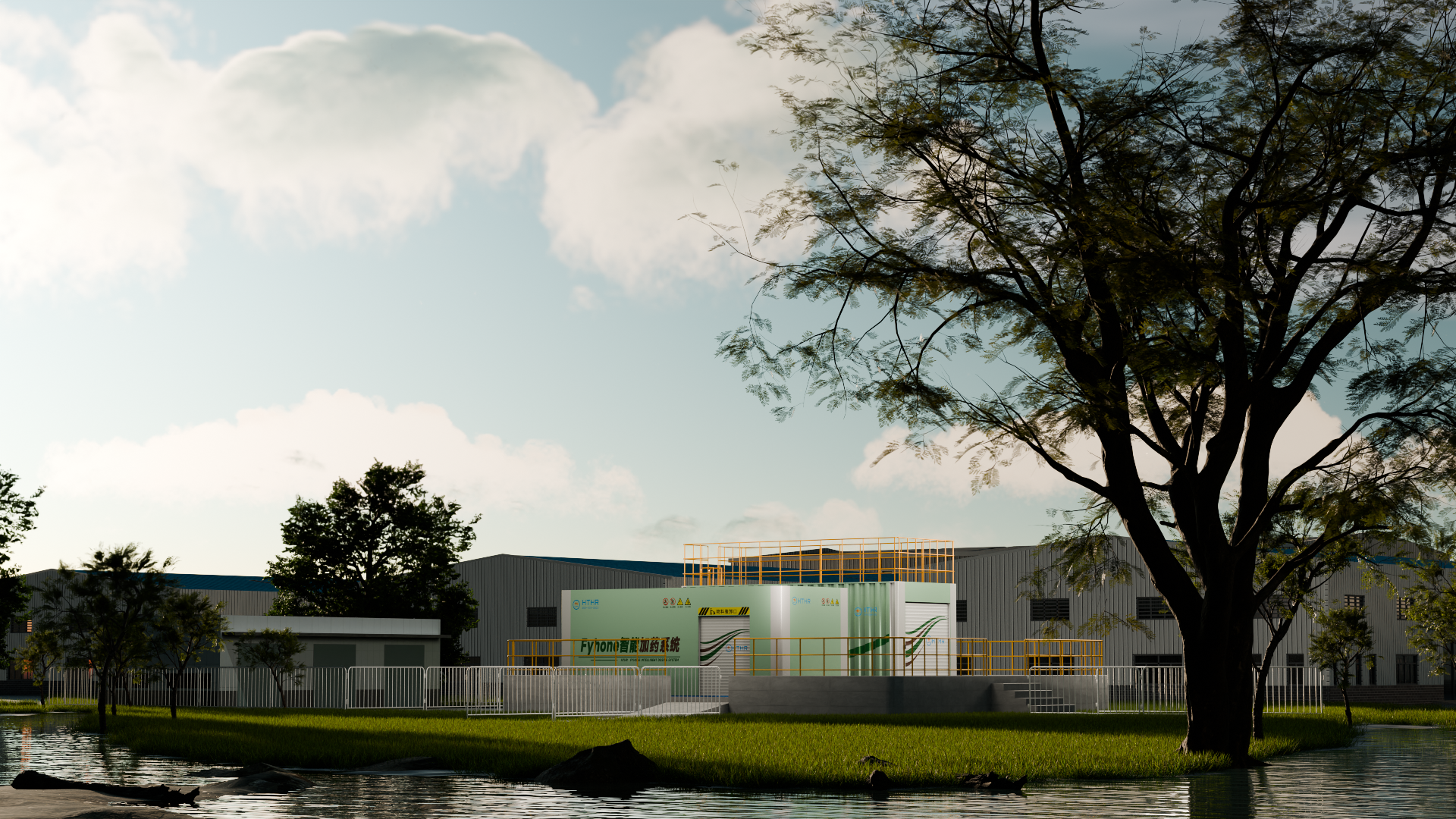
The real difficulty in managing distributed wastewater treatment stations does not lie in the poor operation of individual stations, but in the inability to monitor all stations simultaneously. FyhoneOS intelligent scheduling system effectively solves the industry problem of global visibility and centralized control.
Value for frontline operations personnel
After using FyhoneOS, the working model of frontline operators changes significantly: instead of passively receiving instructions such as “go to a certain station for inspection,” the system proactively informs them, for example: “Ammonia nitrogen concentration at Station 7 has increased. The system has automatically increased the dosing amount by 15%. Please confirm whether manual intervention is required.”
The core of the job shifts from traveling for inspections to verifying anomalies and handling them precisely, greatly reducing travel time and idle waiting each day, and significantly improving work efficiency.
Layered information display: avoiding information overload and adapting to different roles
For the same operational issue—such as turbid effluent at a station—FyhoneOS presents differentiated information based on user roles and permissions, avoiding information interference in decision-making.
| role |
view content |
Decision-making priorities |
| business decision makers |
Current compliance rate, monthly trend, abnormal site ranking |
Adjustment of budget investment and assessment indicators |
| middle managers |
Cross-site comparison of data, exception types, scheduling execution records |
Process optimization and systematic problem investigation |
| Front-line operation and maintenance personnel |
Site real-time data, system execution actions, matters to be confirmed |
Whether on-site disposal is required and whether the equipment is in normal condition |
FyhoneOS follows the principle of “matching responsibilities with authority and sharing data,” ensuring each role sees only relevant information, improving management efficiency while avoiding information overload.
Precise terminal execution: intelligent dosing stabilizes water quality and reduces chemical consumption
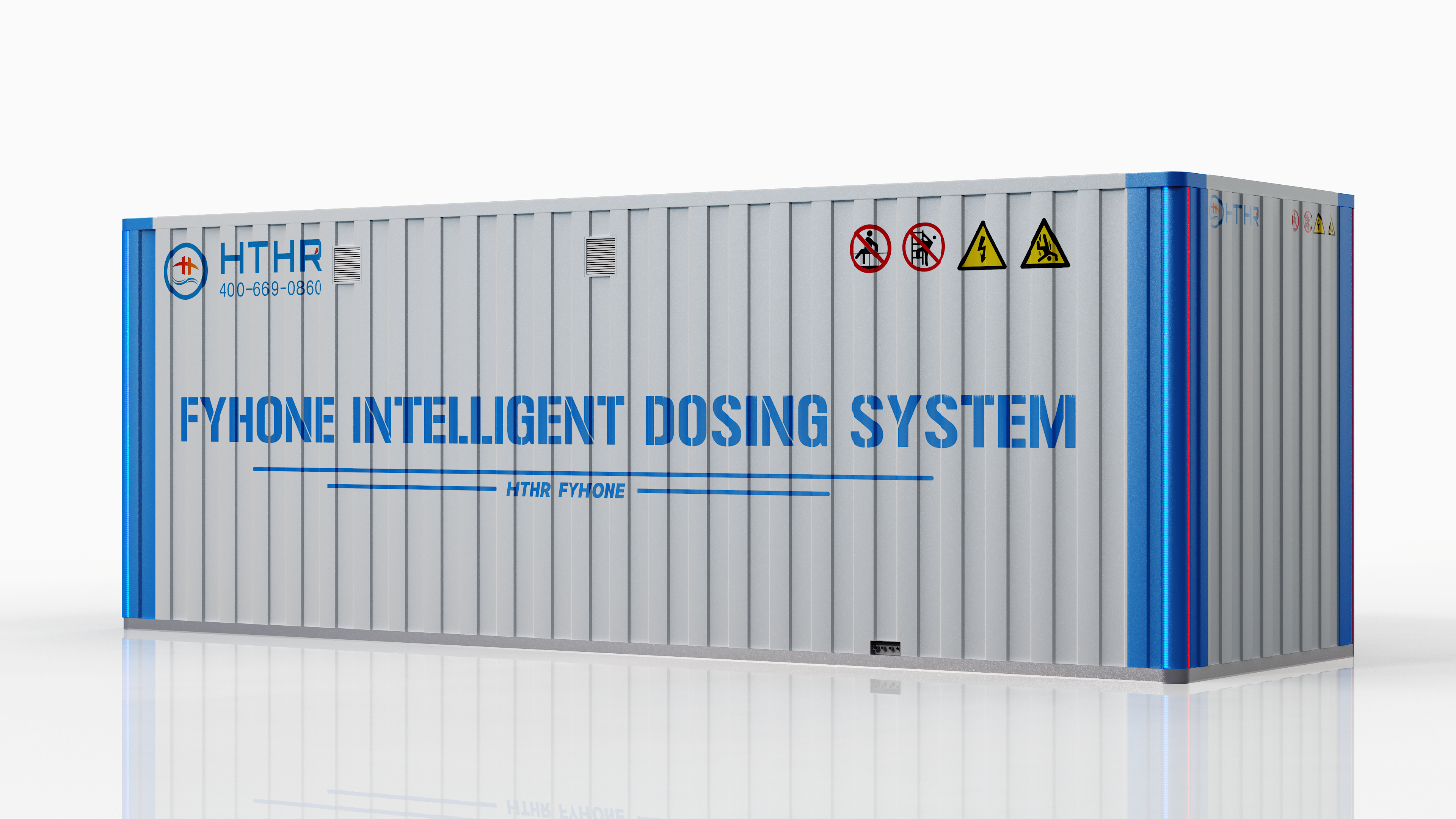
Intelligent dosing devices and integrated treatment equipment are the core execution units of FyhoneOS, and their execution accuracy directly determines treatment effectiveness. Traditional dosing relies on human experience and is prone to underdosing or overdosing. In the FyhoneOS, dosing strategies are driven by real-time water quality data. The scheduling system dynamically calculates based on influent load, and terminal devices execute precisely, resulting in smaller dosing deviations, lower chemical consumption, and more stable effluent quality.
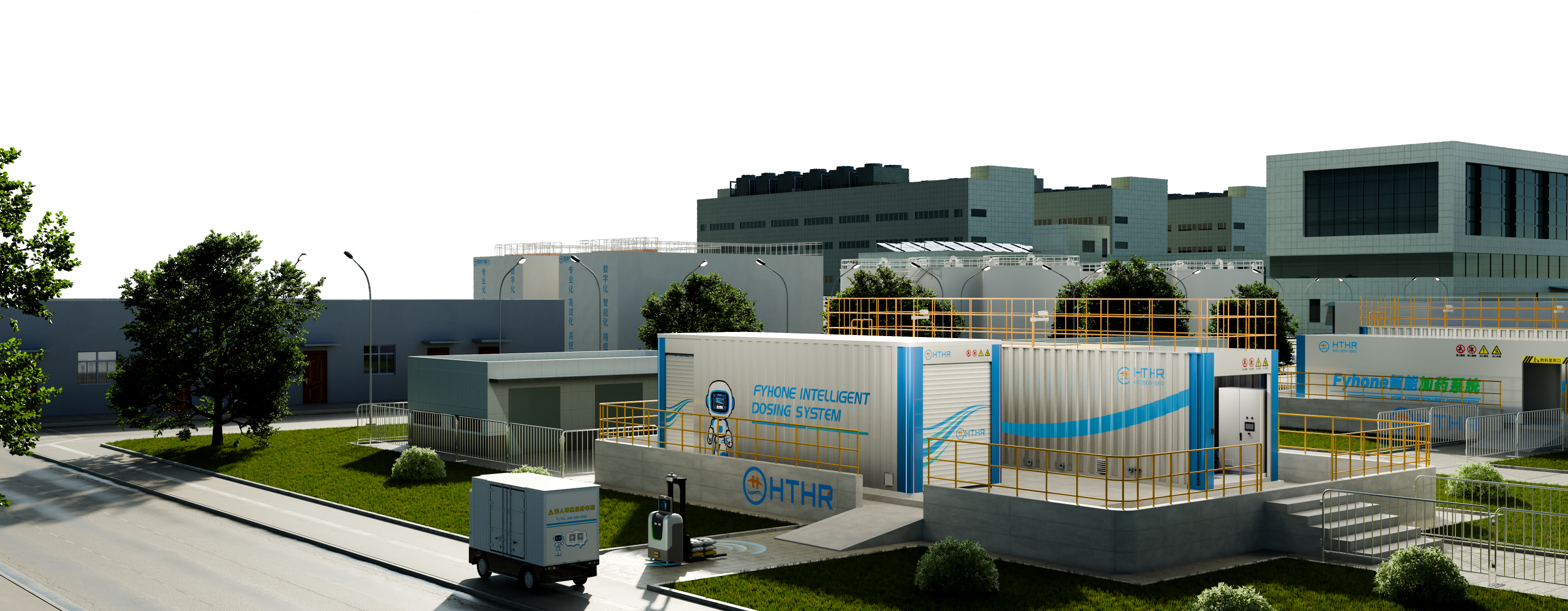
The system can achieve:
- Target achievement rate ≥85% for typical distributed unattended stations
- Real-time feedback closed loop for execution results
- Transition from post-event verification to full-process intelligent control
- Unified scheduling across multiple stations, managing N stations with one system
While executing instructions, devices continuously feed back operational data. After each dosing action, changes in water quality are automatically analyzed. If anomalies occur, the system alerts management personnel for review, enabling distributed wastewater treatment to move from experience-based operation to data-driven continuous optimization.
Automation does not replace human labor but upgrades the value of operations and maintenance
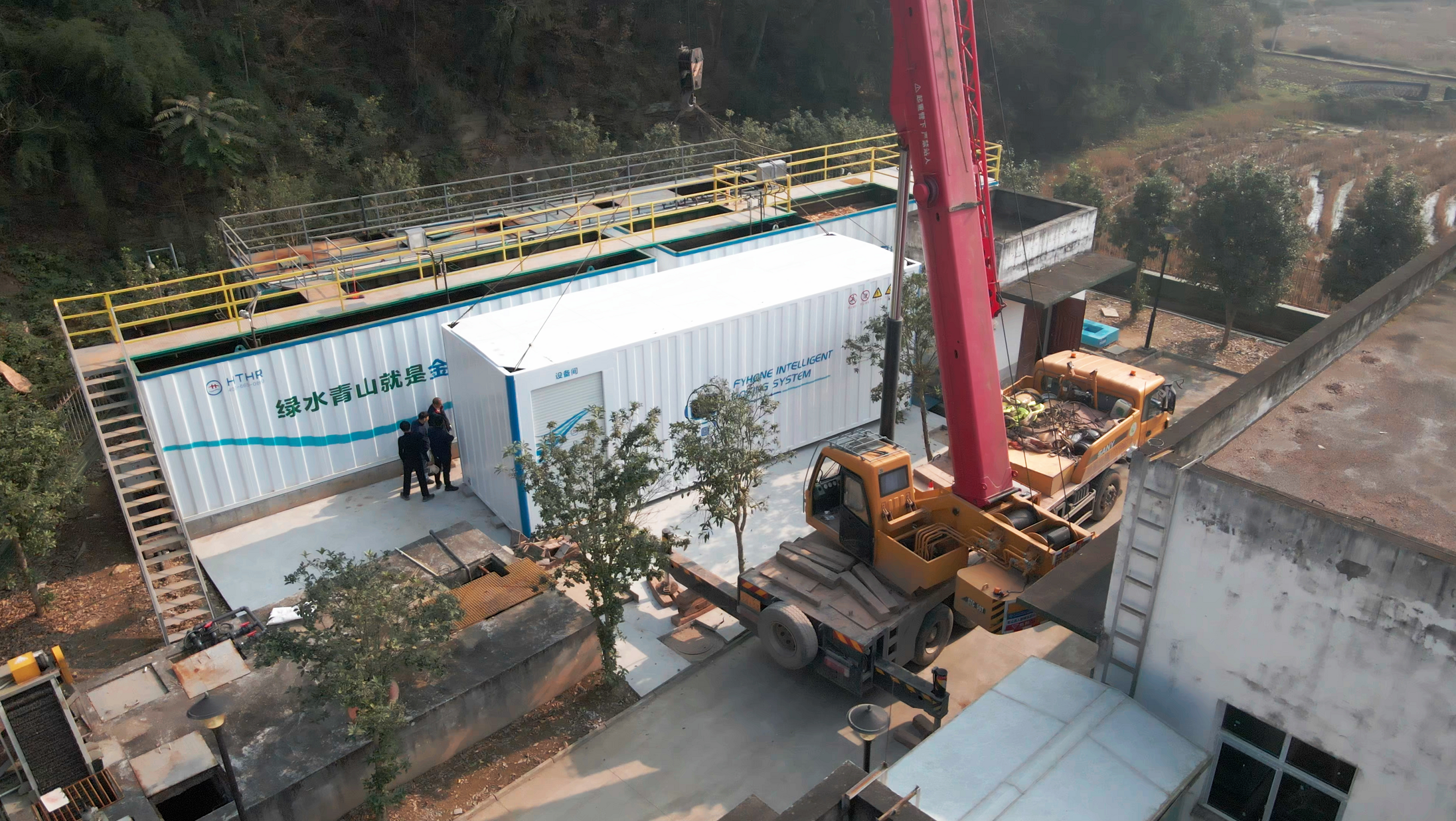
With the advancement of intelligence, many worry that frontline jobs will be replaced. In fact, FyhoneOS brings job transformation rather than job elimination:
- Traditional physical inspections → high-value anomaly judgment and handling
- Mechanical process operations → understanding data logic and process principles
Comparison before and after using FyhoneOS: In the traditional model, operators depart at 8 a.m., inspect stations one by one, record data, and manually adjust dosing, with daily travel distances reaching up to 200 km, resulting in high intensity and low efficiency. In the FyhoneOS model, operators review overnight system operation records via mobile phone in the morning, confirm a small number of anomalies, and only visit sites in the afternoon when manual intervention is required, completing work after data review.
Travel is significantly reduced, manual intervention becomes more precise, and human effort is truly focused on critical tasks.
FyhoneOS promotes scalable development of distributed wastewater treatment
Distributed wastewater treatment has long faced difficulties in scalable management due to dispersed locations, remote sites, and inconsistent standards, making traditional management models ineffective. FyhoneOS does not change the distributed layout but enhances management precision and shortens emergency response time through the coordination of people, vehicles, and machines, enabling distributed stations to be replicable and scalable.
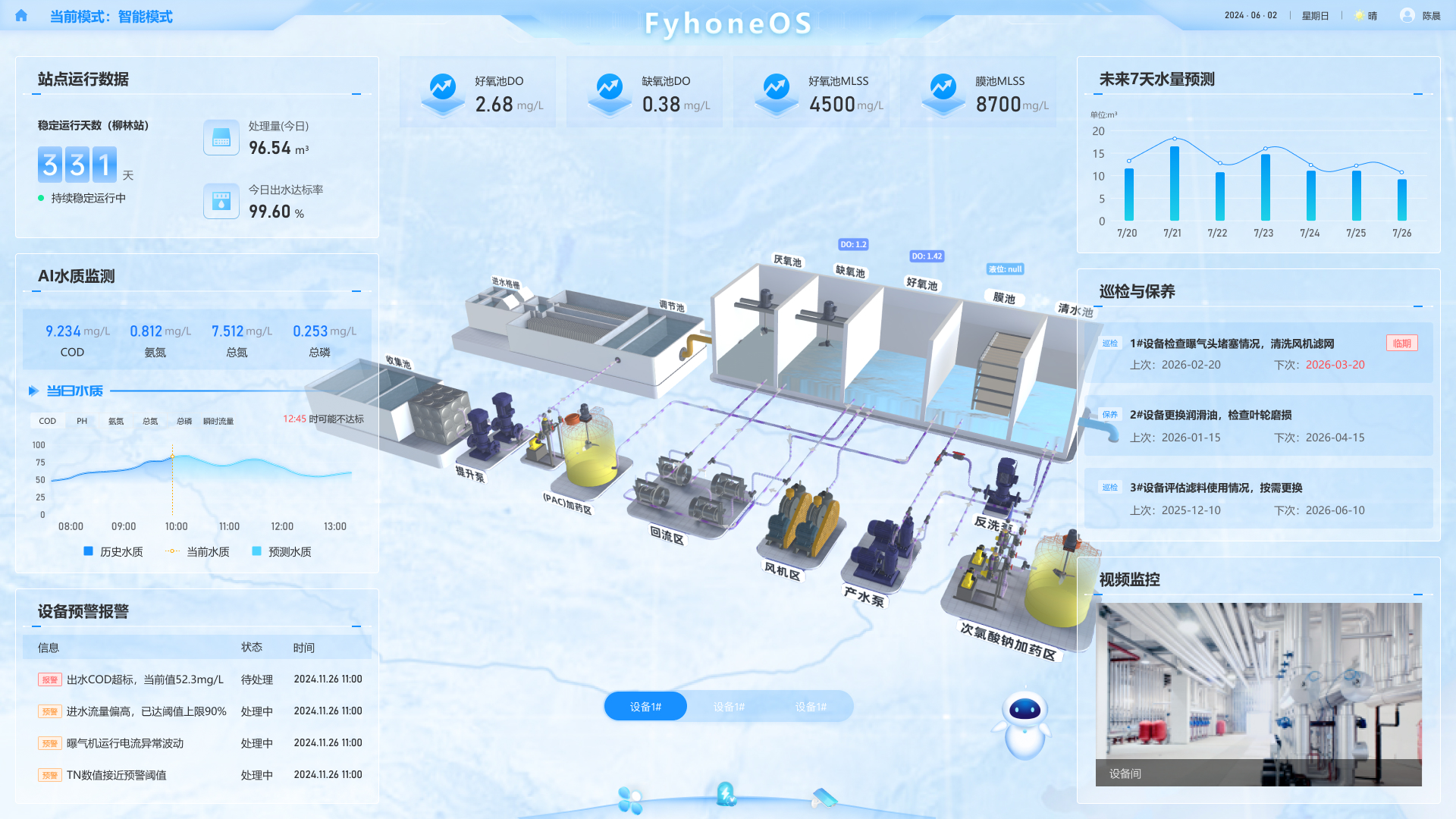
While the system cannot completely solve complex issues such as process fluctuations, unstable influent quality, and equipment aging, it can achieve the following: personnel are no longer overburdened, equipment no longer relies on experience-based operation, and every dosing action and operational step becomes traceable through data. This fundamentally transforms the management model of distributed wastewater treatment and provides the industry with a more efficient and intelligent solution.


 hthrjt2017@gmail.com