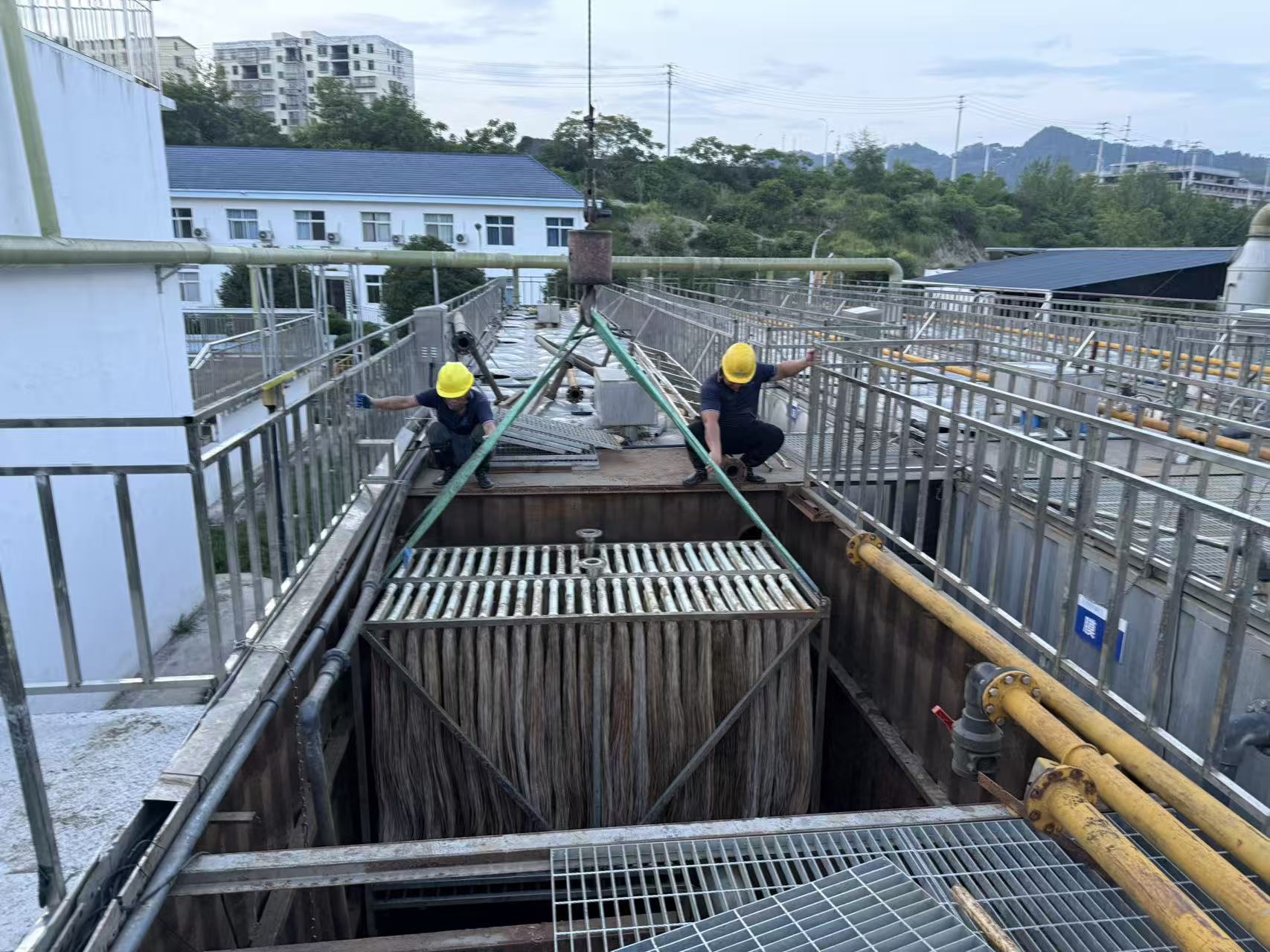
The MBR membrane tank at Jeddah North Treatment Plant is operating with a 99% COD removal rate. This was stated in a 2023 report by the United Nations Environment Programme. However, outside the service radius of this benchmark facility, the destination of wastewater for nearly half of Jeddah’s residents remains unknown—septic tanks, unlined shallow wells, or worse.
It wasn’t until the 2009 torrential rain nearly caused “Musk Lake” to overflow that Jeddah truly realized what lay buried underground was not a pipeline network, but a ticking time bomb. Today, $3.2 billion has been poured into the drainage system, with 39 projects covering 46% of the city and a target to expand to 75% by 2028. But no matter how fast the pipeline network is laid, it cannot keep up with the 2.5% annual population growth and the sharp peak loads during the Hajj season.
The problem is no longer “whether to build,” but “how to control wastewater before, after, and even instead of pipeline coverage.”
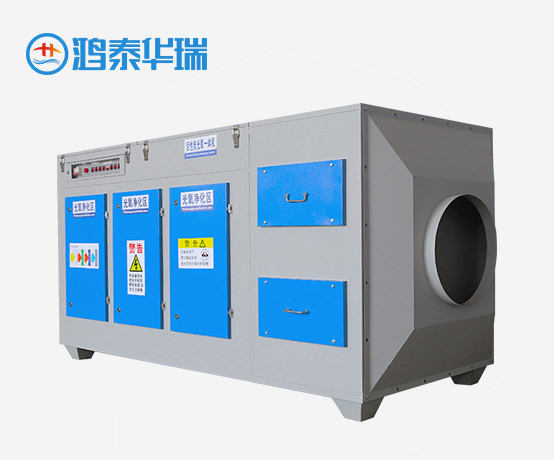
Hongtai Huarui’s answer is a “human-vehicle-machine” combination: intelligent integrated wastewater treatment equipment as the foundation, smart dosing systems to stabilize water quality fluctuations, and unmanned chemical delivery vehicles that transform operations from “waiting for people” to “vehicles seeking demand.”
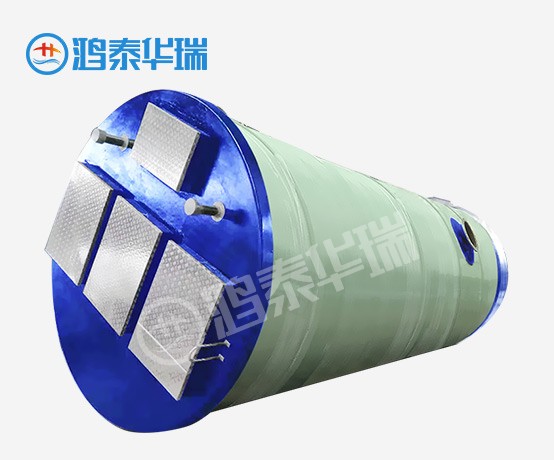
Equipment: Not just a container, but a “treatment plant inside a box”
Jeddah’s coastal uniqueness lies in the fact that Red Sea coral reefs are right along the shoreline. Any leakage of untreated wastewater is not just an environmental fine issue—it is an ecological catastrophe.
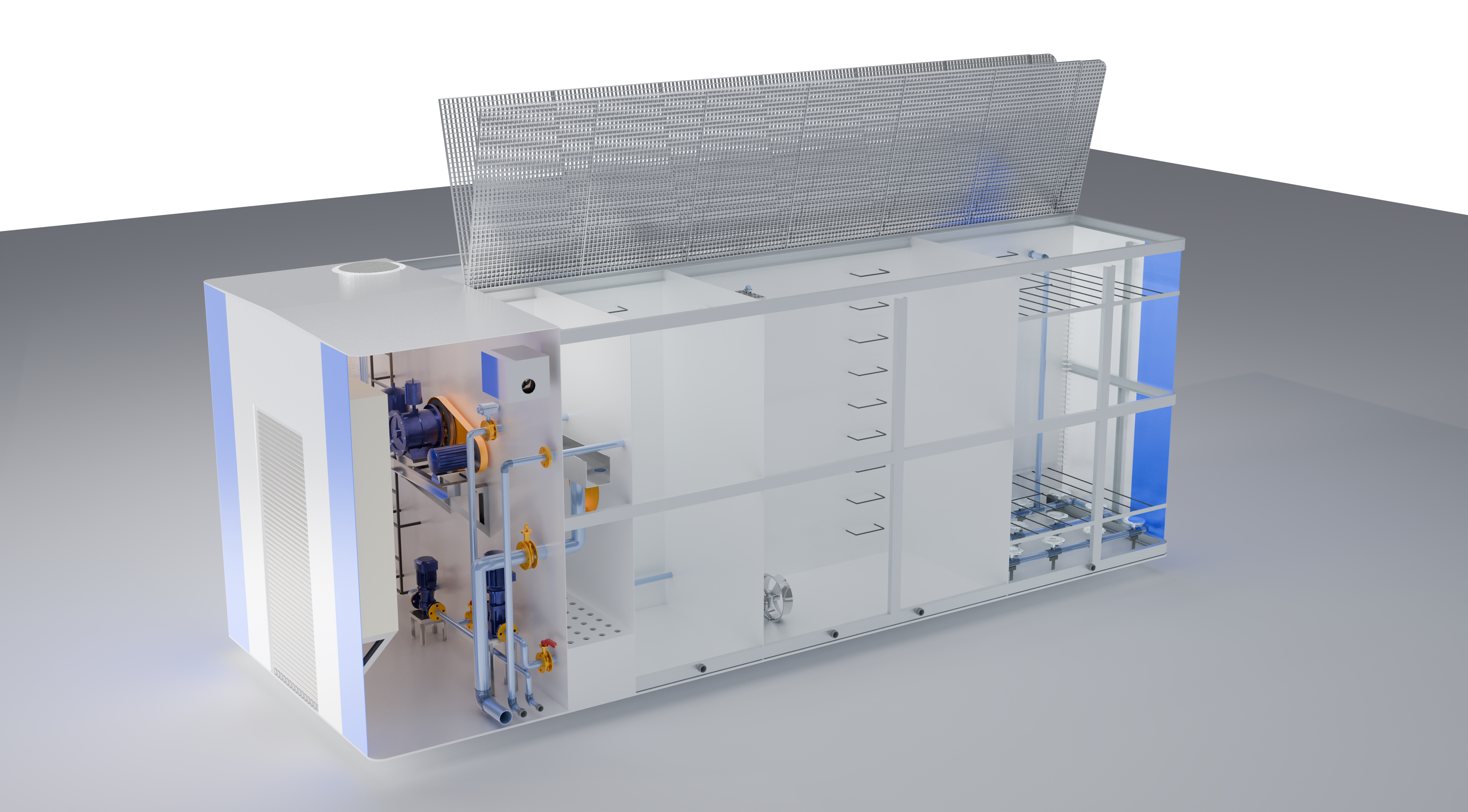
Hongtai Huarui’s integrated equipment adopts the MBR process—already proven in existing wastewater treatment plants. This system compresses traditional civil tank structures into standard container dimensions, achieving a 99% COD removal rate, while ammonia nitrogen and total phosphorus can also meet Class IV surface water standards.
What does this mean?
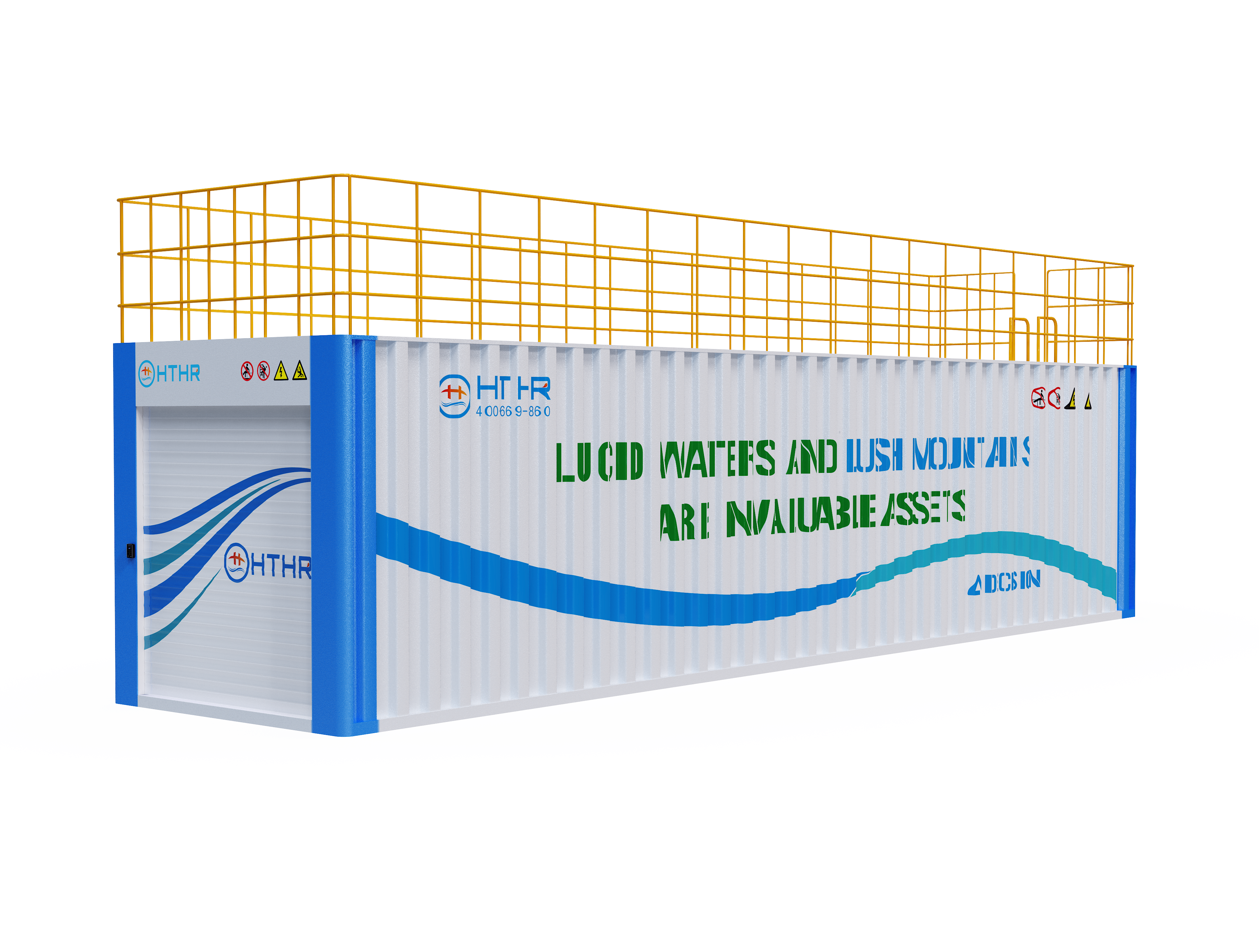
For Jeddah, it means that areas beyond pipeline coverage—new suburban expansions, temporary Hajj camps, and industrial park edges—no longer need to wait for municipal pipelines. Once the equipment is transported, with water and electricity connected, treatment capacity can be established within two weeks. For municipal managers, this is not just “patching weaknesses,” but “eliminating them.”
More importantly, the system comes with an IoT module. Data on influent and effluent quality, membrane flux, aeration volume, and sludge levels are uploaded in real time. Operators no longer need to stay on-site—they can monitor anomalies via mobile devices and receive early warnings instead of reacting after blockages occur.
Dosing: From “experience-based pouring” to “precision targeting”
A frequently overlooked detail in Jeddah’s wastewater treatment is the lack of reclaimed water distribution. Large volumes of treated water are transported by trucks, but if water quality is unstable, industrial users hesitate to sign long-term contracts, and agricultural users hesitate to irrigate.
Traditional dosing relies on manual inspection, visual judgment, and experience. Chemical waste is a minor issue—fluctuating effluent quality is the real problem, especially when influent quality changes drastically due to seasonal flooding or Hajj peaks. Manual response simply cannot keep up.
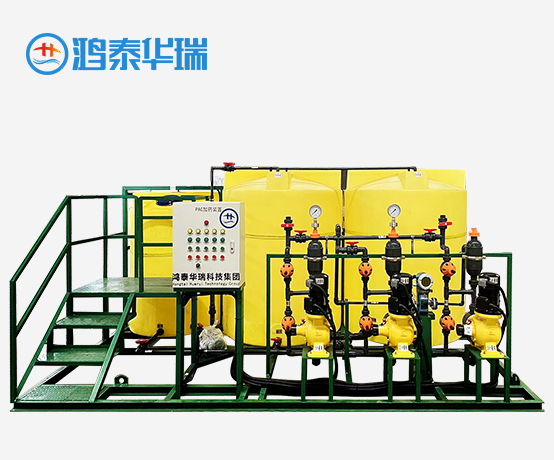
Hongtai Huarui’s intelligent dosing system solves this time lag.
Real-time water quality data from the front-end equipment directly links to the dosing system. High COD triggers automatic carbon source supplementation; excessive total phosphorus leads to precise phosphorus removal dosing; pH fluctuations are adjusted in sync. The entire process requires no manual valve operation—algorithm models predict dosing amounts based on influent loads, keeping dosing errors within ±5%.
For a city like Jeddah, this system also brings hidden value: stable reclaimed water quality. While it cannot directly solve transportation inefficiencies like those seen in Qatar, it ensures that every truck delivers consistent water quality—an essential foundation for building trust in reclaimed water.
Delivery: Unmanned vehicles solving the “last mile”
Saudi Arabia’s “Qatrah” water conservation program has a clear goal: reduce per capita water use from 263 liters to 150 liters by 2030. This means wastewater plants must operate at full capacity—and full capacity requires uninterrupted chemical supply.
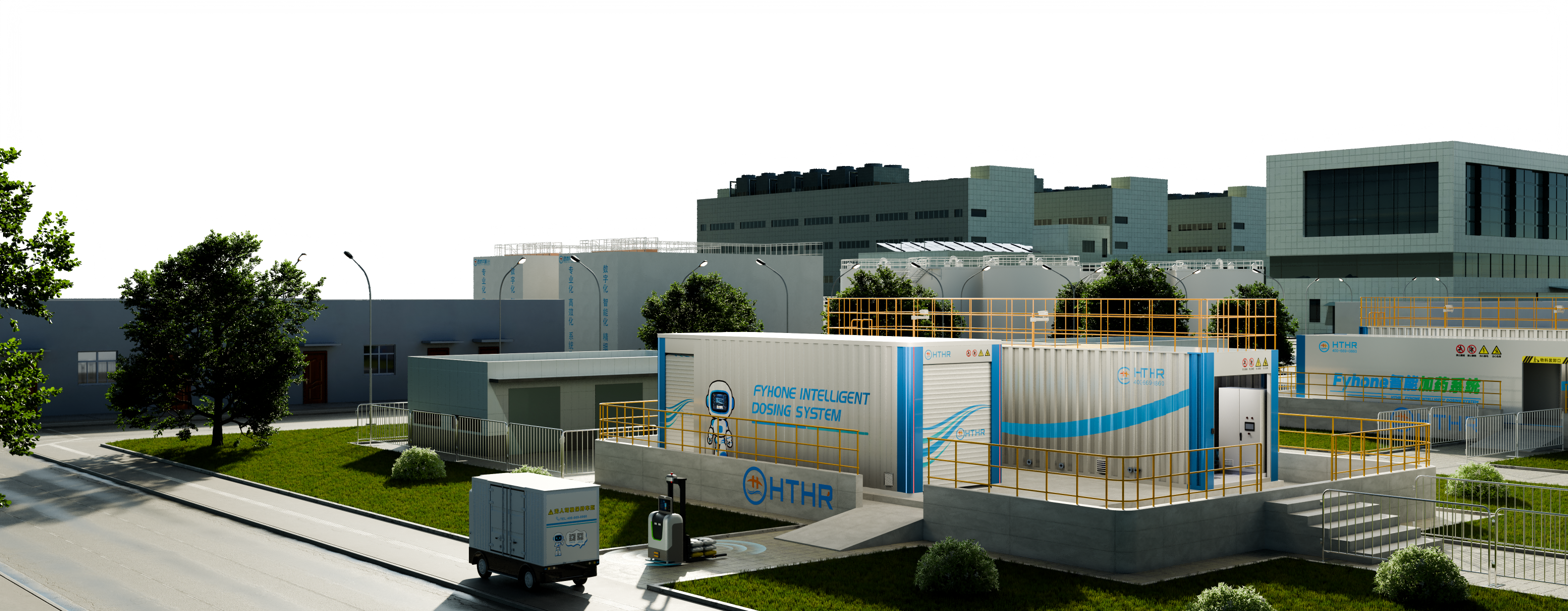
Currently, chemical distribution in Jeddah relies on trucks and drivers. The issues: plants are scattered, routes are inconsistent, dispatching depends on phone calls, and emergency replenishment can take hours. More importantly, localization labor policies are tightening, and driver costs continue to rise.
In this scenario, unmanned delivery vehicles are not about “showcasing technology,” but about “replacement.”
Hongtai Huarui’s unmanned delivery vehicles use autonomous driving to cover on-site and short inter-plant transport. The dispatch system automatically plans routes; when chemical inventory drops to a threshold, vehicles depart and return for charging autonomously—without human intervention.
Their value in Jeddah is underestimated.
Among Saudi Arabia’s 15 ongoing sanitation projects, the airport lift station upgrade alone has an investment of 915 million riyals and a daily treatment capacity of 611,000 cubic meters. Such large facilities consume massive amounts of chemicals. Manual delivery accumulates safety risks, efficiency bottlenecks, and management costs. Unmanned vehicles are not replacing drivers—they are freeing people from repetitive transport tasks to focus on inspection, debugging, and emergency response.
The underlying logic of “human-vehicle-machine”
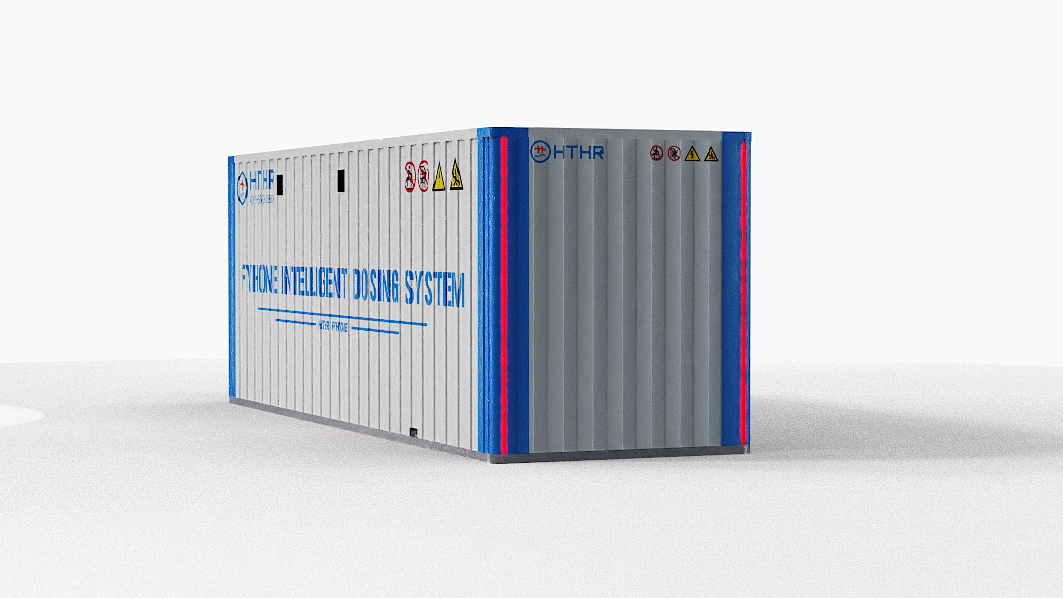
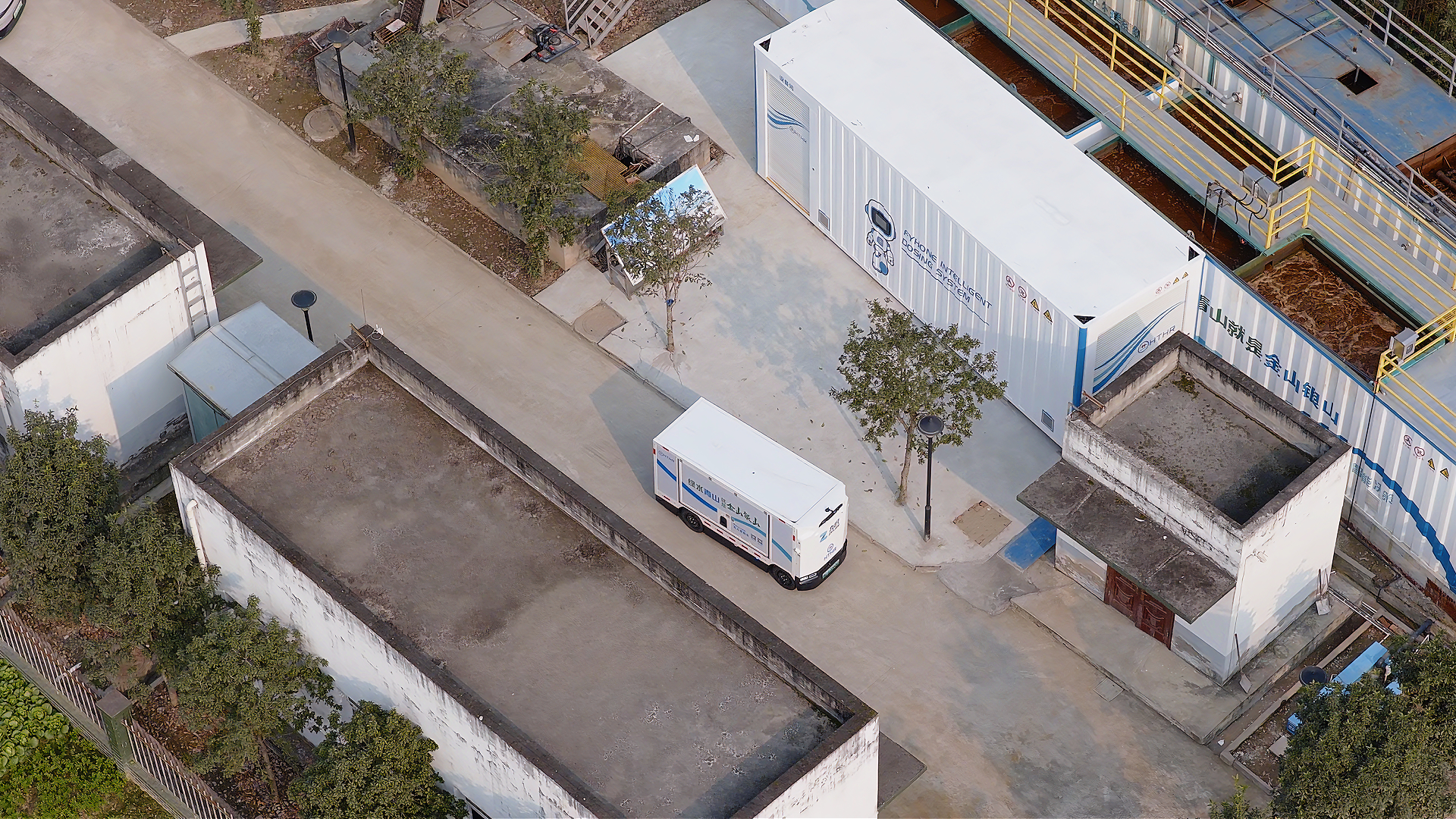
Individually, none of these components are revolutionary. But when integrated—linking intelligent treatment equipment, smart dosing systems, and unmanned delivery vehicles into a closed loop of “front-end treatment, mid-end control, back-end supply”—this is Hongtai Huarui’s real objective.
Jeddah’s core contradiction in wastewater management is that investment is skewed toward large-scale infrastructure, while operational capacity lags behind. The 7-year management contract between NWC and SUEZ essentially aims to compensate for operational shortcomings. The value of the “human-vehicle-machine” model lies in replacing repetitive labor with machines, replacing experience-based decisions with data, and transforming people from “guarding equipment” to “managing systems.”
Applied to Jeddah’s key pain points:
Insufficient pipeline coverage → distributed deployment of integrated equipment independent of municipal networks
Lack of reclaimed water distribution → stable water quality buys time for future network development
20% treatment gap → modular equipment enables rapid capacity expansion for population growth and Hajj peaks
Industrial pollutant risks → intelligent dosing targets heavy metals and pharmaceutical residues
Operational labor bottlenecks → unmanned vehicles improve efficiency and reduce costs in chemical distribution
A choice on the Red Sea coast
Jeddah’s wastewater management has reached a turning point. The 2009 flood, the 2011 waterlogging, and the persistent 20% treatment gap in 2023 all point to one reality: relying solely on large centralized plants and pipeline networks cannot keep up with urban expansion.
Hongtai Huarui’s “human-vehicle-machine” model offers an alternative approach—using distributed treatment to relieve centralized network pressure, intelligent operations to offset labor shortages, and unmanned logistics to fill gaps in reclaimed water distribution.
This does not negate Jeddah’s $3.2 billion infrastructure investment. On the contrary, it provides a viable, immediately deployable solution for areas not yet covered—or too costly to cover—by infrastructure.
The coral reefs of the Red Sea cannot wait. The influx of three million pilgrims during Hajj cannot wait. The increasing frequency of coastal red tide events is also a warning—if we want to avoid repeating the “Musk Lake” story, it’s time to let equipment, data, and machines take a few more steps on behalf of humans.
Hongtai Huarui’s containers have already been shipped.
Destination: Jeddah.


 hthrjt2017@gmail.com