Penang river pollution for 40 years: Where is the real gap in sewage treatment?
- release date: 2026-04-01 14:37:16
- author: Hongtai Huairui
- Reading: 858
- key words: Penang water production crisis / water pollution (Sungai Juru, Kereh River, Batu Ferringhi black water incident) / sewage treatment issues (aging treatment plants, regulatory loopholes, lack of operations and maintenance) / Hongtai Huarui / intelligent integrated sewage treatment equipment / real-time water quality monitoring (BOD, COD, ammonia nitrogen, pH) / cloud management platform / intelligent dosing system / unmanned medicine delivery vehicle / human-vehicle-machine collaborative closed loop / decentralized sewage treatment / compliant discharge / operations and maintenance traceability / Penang Green Agenda 2030 / regional sewage treatment plants
Penang's water supply crisis made many people realize for the first time that water scarcity and poor water treatment are actually two sides of the same problem.
The Sungai Juru is listed as one of the most polluted rivers in Malaysia, the water quality index of the Kereh River drops to Class IV in the middle and lower reaches, and the black water incident in Batu Ferringhi affected tourism and fisheries—these are not isolated environmental news stories, but the result of long-term issues such as aging decentralized small treatment plants, regulatory loopholes from self-reported industrial wastewater, and prolonged neglect of operations and maintenance at the end of sewage treatment.
The core issue is not that Penang lacks treatment plants, but that no one continuously monitors the operational status of these plants.
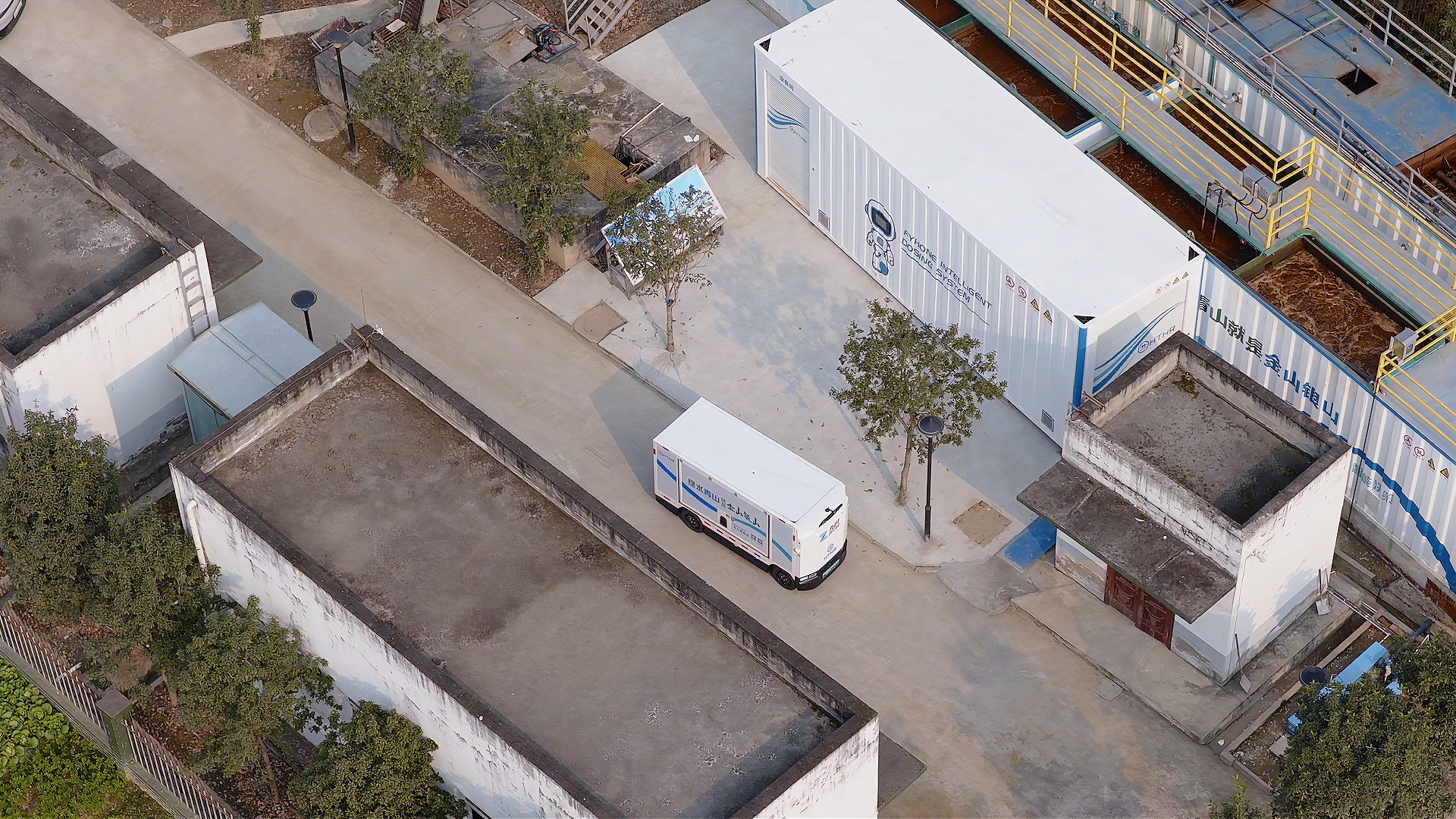
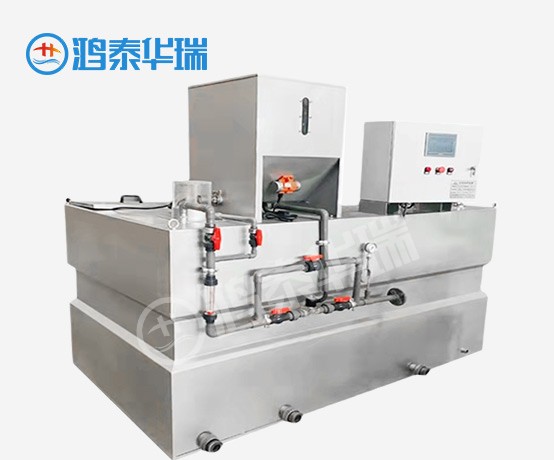
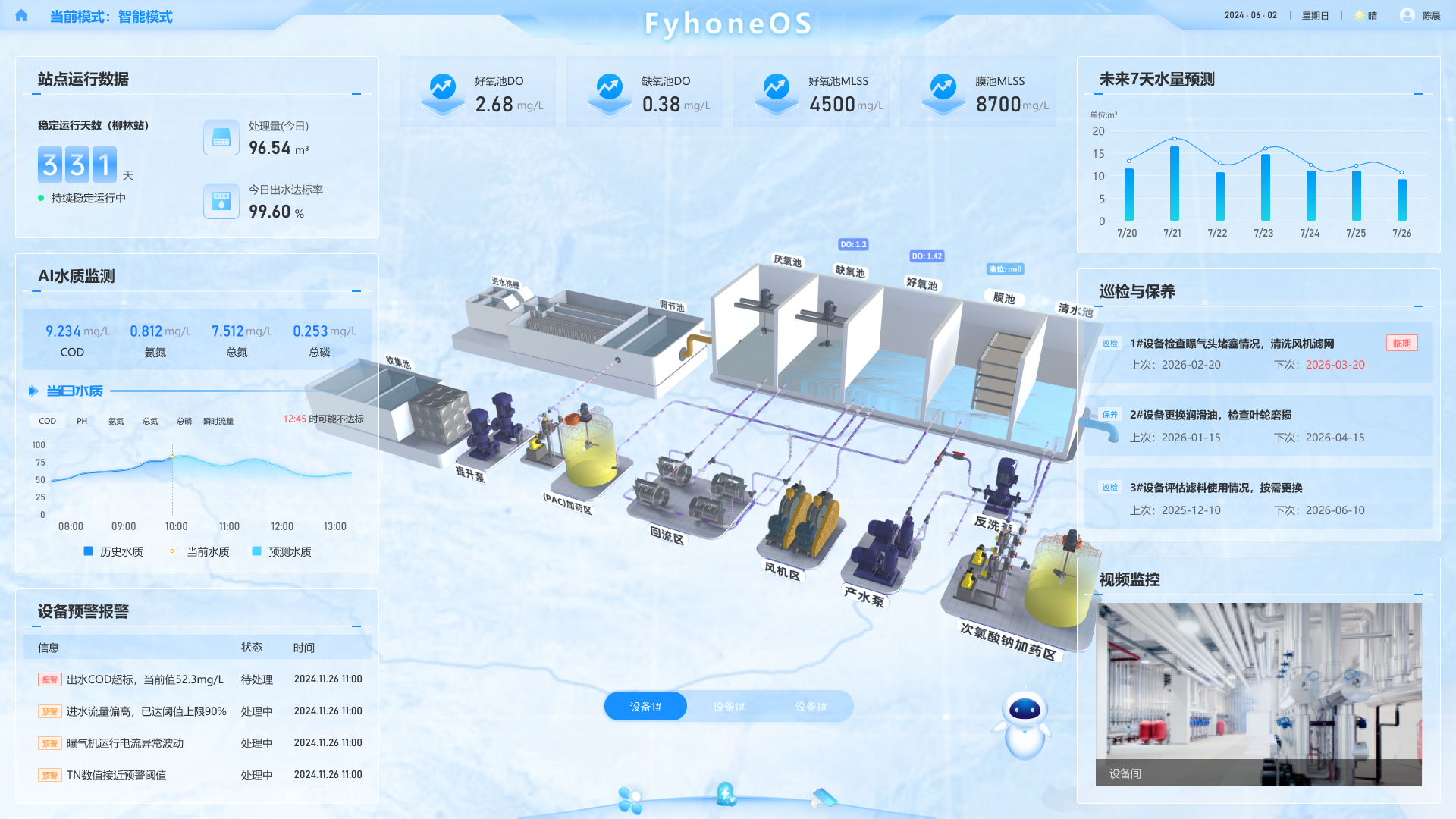
This is precisely the starting point for Hongtai Huarui Intelligent Integrated Wastewater Treatment Equipment. The equipment integrates regulation, biochemical treatment, sedimentation, and disinfection in one unit. It occupies a small footprint, is flexible to install, and can meet the needs of different scenarios, such as industrial zones with decentralized layouts and sensitive water bodies in tourist areas in Penang. More importantly, the equipment has a built-in real-time monitoring module that continuously collects core indicators such as BOD, COD, ammonia nitrogen, and pH of influent and effluent, with data directly connected to a cloud management platform—treatment plants are no longer black boxes, and the status of every discharge point becomes visible and traceable.
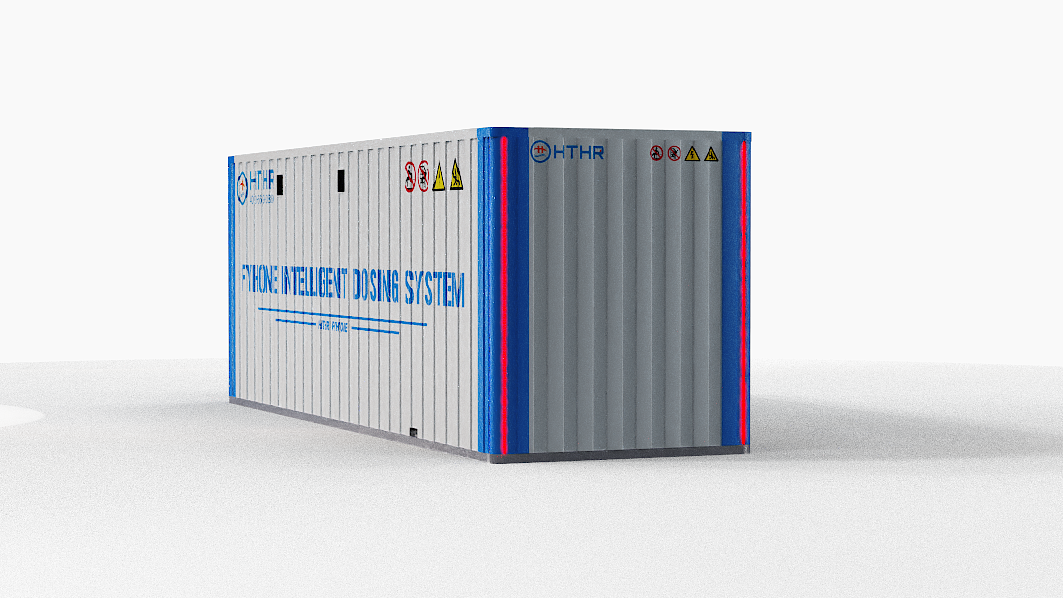
But having data alone is not enough. The quality of treatment largely depends on the timing and dosage of chemical dosing. Traditional methods rely on human experience, which has large errors and noticeable delays, especially when influent water quality fluctuates. Once integrated with real-time water quality data, the intelligent dosing system can automatically calculate the required dosage and adjust dosing points according to current load, simultaneously improving chemical utilization and effluent compliance rates—this means factories or parks that need to meet the Malaysian Environmental Department’s discharge standards can go from "relying on luck" to "having certainty."

The dosing system solves the problem of "what to dose and how much," but another more practical challenge remains: how to deliver chemicals to the site?
Penang's industrial and aquaculture areas are dispersed, with some wastewater treatment points far from main roads. Manual delivery is costly and infrequent, and if chemical supply is interrupted, treatment effectiveness immediately drops. Unmanned chemical delivery vehicles fill this gap—following platform dispatch instructions, chemicals are delivered on demand to designated treatment points without a dedicated driver, with the entire route trackable, making chemical supply no longer a weak link in operations.
Humans, vehicles, and machines form a closed loop on the same data platform: equipment monitors water quality, the system decides dosing, unmanned vehicles ensure supply, and the platform records the entire process. When the Environmental Department needs discharge data, the report is complete; when treatment performance is abnormal, traceability is possible; when operators need to intervene, they arrive at a site with clear status information, not a black box that requires re-assessment.
Penang’s Green Agenda 2030 proposes building three regional wastewater treatment plants on Penang Island, eight in Seberang Perai, and integrating small plants into larger regional systems. This is a correctly oriented plan, but before regional integration is completed, hundreds of decentralized treatment points still need to operate better today. This human-vehicle-machine collaborative model is not only useful after major infrastructure is built; in the current decentralized setup, it allows each node to establish a solid foothold immediately.


 hthrjt2017@gmail.com