Vietnam’s new environmental protection policies are upgraded! Intelligent integrated wastewater treatment equipment ushers in explosive opportunities
- release date: 2026-02-26 15:45:28
- author: Hongtai Huairui
- Reading: 807
- key words: New Environmental Policies of Vietnam、Intelligent Integrated Sewage Treatment Equipment、Integrated Sewage Treatment Equipment、Artificial Intelligence and Sewage Treatment Equipment
On January 29, 2026, the Vietnamese government issued Decree No. 48/2026/ND-CP, making major revisions to regulations related to environmental protection. The decree adjusts the scope of environmental registration, adds multiple types of small and micro enterprises that are exempt from registration, and clarifies project scale classification standards (large ≥300 hectares, medium 50–300 hectares, small <50 hectares). At the same time, the decree strengthens planning requirements for hazardous waste treatment projects and shortens the time limits for multiple environmental administrative approvals, marking a further improvement of Vietnam’s environmental governance system.
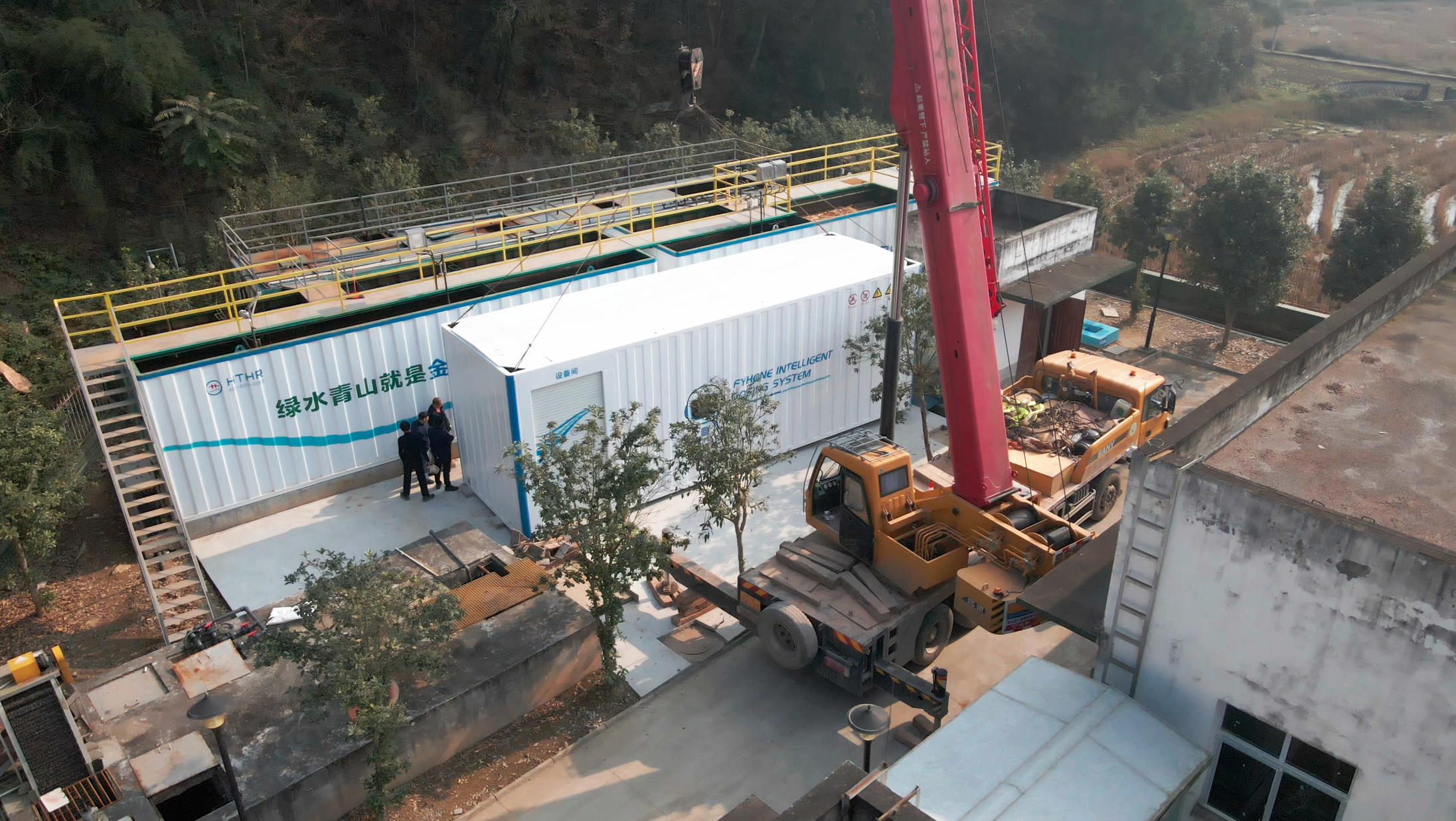
More notably, starting from February 26, 2026, Vietnam officially implemented the national standard QCVN98:2025/BNNMT, which sets strict requirements for wastewater treatment facilities in households, small businesses, and service establishments. The standard stipulates that all wastewater treatment facilities must be equipped with garbage separation, oil separation, and sludge storage areas, and that sludge must be cleaned at least once a year. The implementation of this policy will directly drive technological upgrades in Vietnam’s wastewater treatment market.
Meanwhile, on December 29, 2025, the Vietnamese government promulgated Decree No. 346/2025/ND-CP, making significant adjustments to the collection method of wastewater environmental protection fees. The new decree changes the industrial wastewater charging method from the “threshold and average value” approach to a calculation based on “actual discharge volume + pollution level,” and significantly increases the charging standards for toxic pollutants. The implementation of this policy will force enterprises to increase environmental investment and adopt more efficient wastewater treatment technologies.
According to data from Vietnam’s Ministry of Agriculture and Environment in August 2025, as of June 2025, the urban domestic wastewater treatment rate nationwide was approximately 17%, while in rural areas it was about 5%. Although the Vietnamese government has invested substantial funds over the past 20 years in the construction of wastewater treatment facilities, treatment capacity still lags far behind actual demand.
Data from Vietnam’s Ministry of Construction show that the country discharges about 13 million cubic meters of wastewater per day, but only 1.95 million cubic meters are treated, resulting in a treatment rate of just 15%. In rural areas, untreated domestic wastewater accounts for as much as 60%, posing a serious threat to the local ecological environment and residents’ health.
As Vietnam’s urbanization process accelerates, demand in the wastewater treatment market is growing rapidly. It is estimated that by 2030, Vietnam’s wastewater discharge volume will grow at an annual rate of 5%, and demand for wastewater treatment facilities will continue to rise. Particularly in the northern and central regions, rapid industrialization and urbanization are generating substantial demand for wastewater treatment.
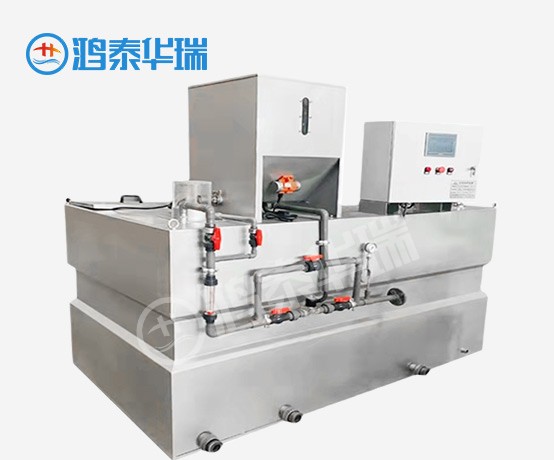
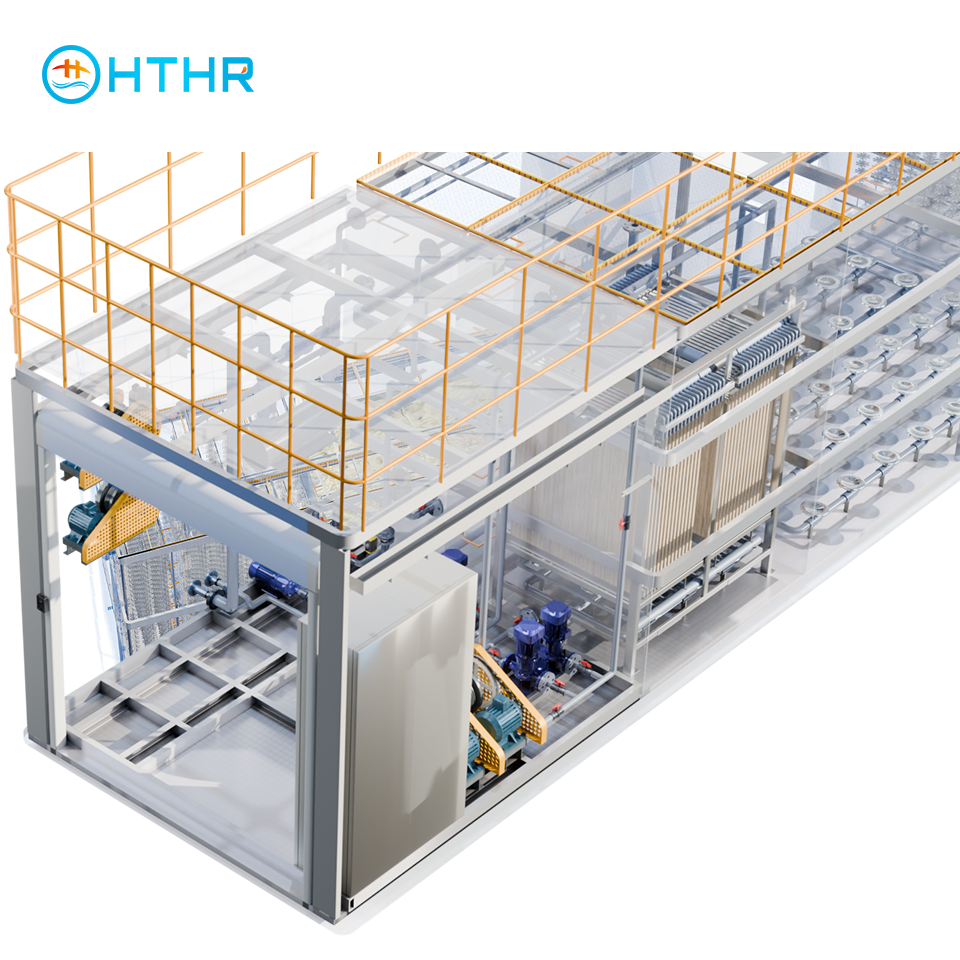
Driven by both policy support and market demand, intelligent integrated wastewater treatment equipment is becoming a new trend in the Vietnamese market. Compared with traditional wastewater treatment equipment, intelligent integrated systems offer the following core advantages:
- High-efficiency treatment capacity
Intelligent integrated equipment adopts advanced Membrane Bioreactor (MBR) technology, which can efficiently remove organic matter, suspended solids, nitrogen, phosphorus, and other pollutants from wastewater. The treated water quality can meet the national Class 1A discharge standard and can be directly reused or safely discharged.
- Intelligent operation and maintenance management
Through Internet of Things (IoT) and Artificial Intelligence (AI) technologies, intelligent integrated equipment enables remote monitoring, automatic adjustment, and fault warning. Operation and maintenance personnel can check the real-time operating status of the equipment and adjust operating parameters via mobile phones or computers, significantly reducing maintenance costs and labor input.
- Energy-saving and consumption-reducing design
Intelligent integrated equipment adopts advanced aeration systems and energy-efficient motors, reducing energy consumption by more than 30% compared to traditional equipment. At the same time, the equipment also features sludge reduction functions, decreasing sludge production by over 50%, further lowering operating costs.
- Modular design
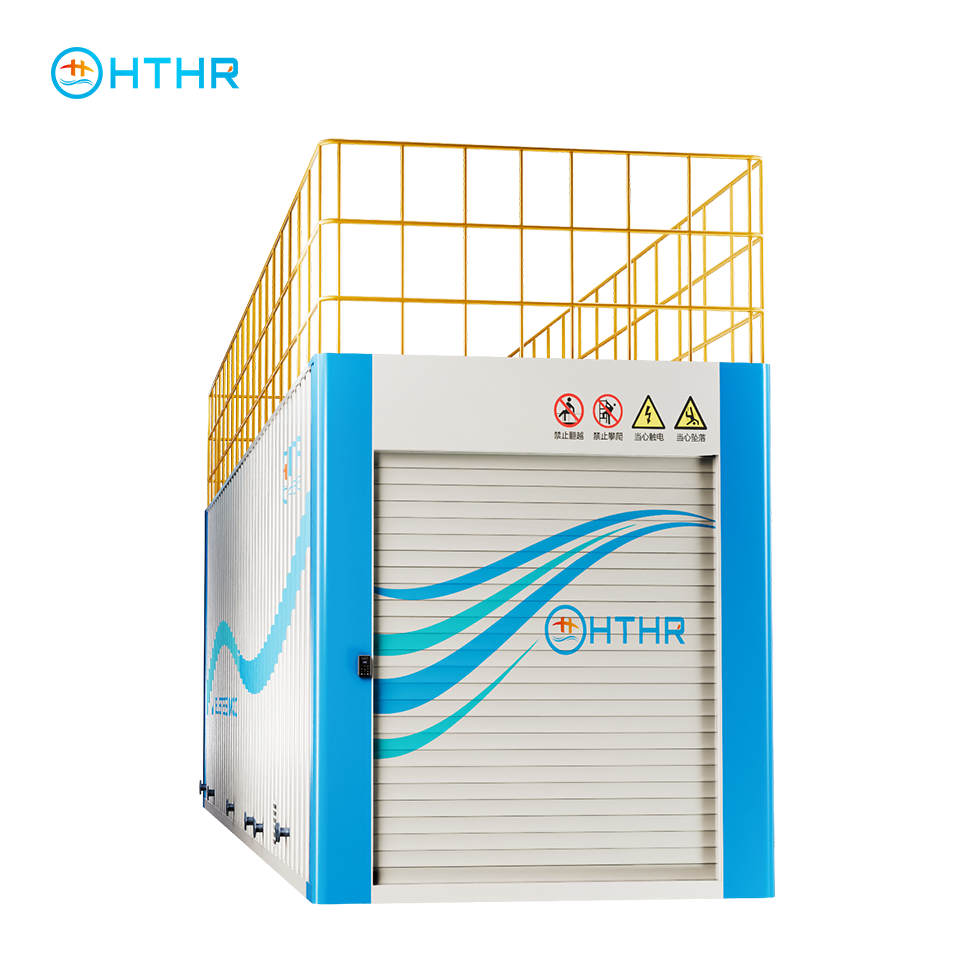
Intelligent integrated equipment adopts a modular design and can be flexibly combined according to treatment capacity requirements. The equipment occupies a small footprint and has a short installation and commissioning cycle, making it suitable for various application scenarios such as city centers, industrial parks, and rural areas.
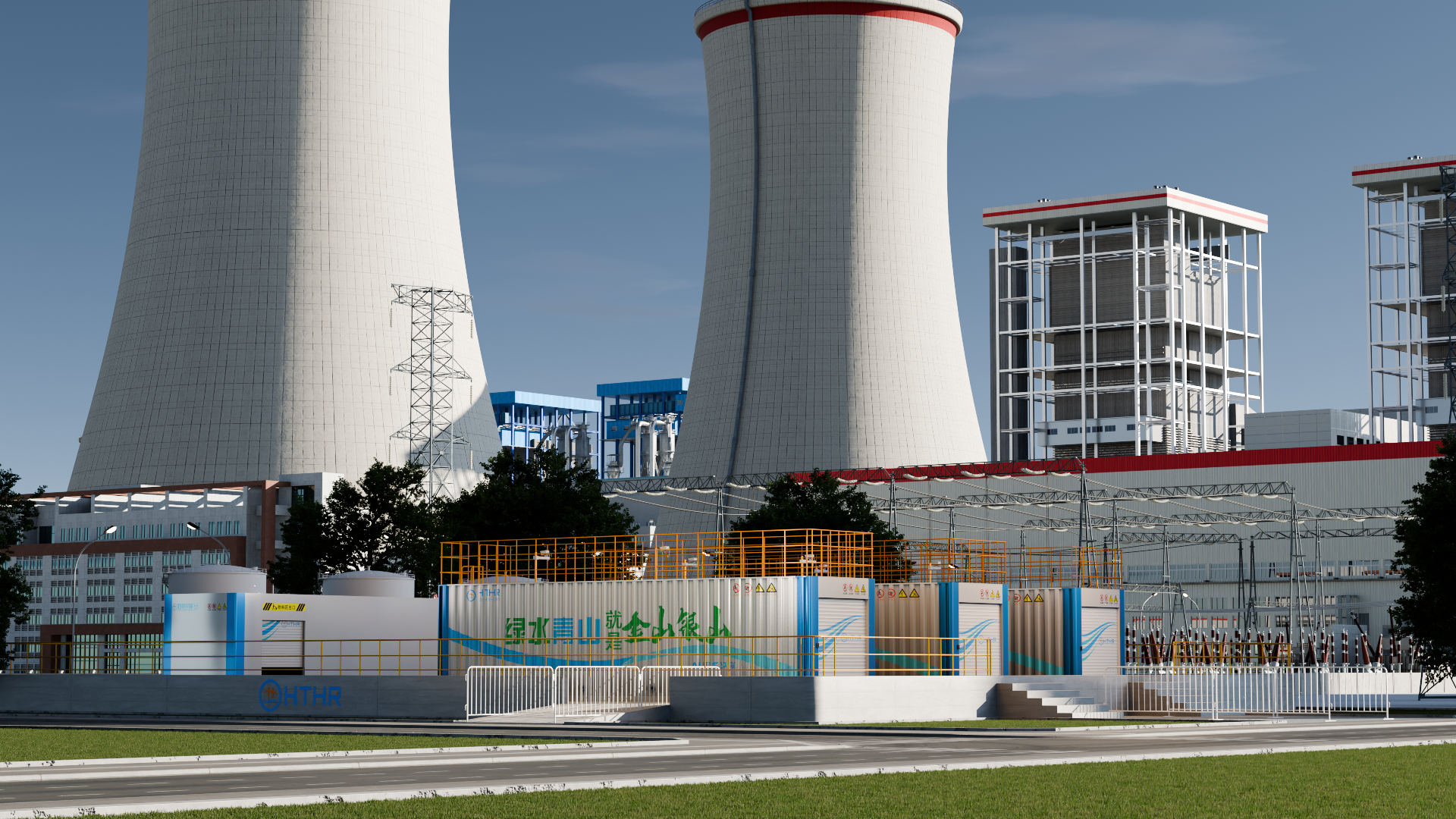
Vietnam’s environmental protection market is developing rapidly, providing broad cooperation opportunities for Chinese enterprises. Data from 2025 show that China’s exports of environmental protection equipment to Vietnam reached approximately USD 230 million, accounting for 6.1% of Vietnam’s total environmental equipment imports. Chinese companies possess technological and cost advantages in areas such as membrane technology, intelligent monitoring, and EPC contracting, which highly align with the demands of the Vietnamese market.
The Vietnamese government is also actively promoting China–Vietnam environmental cooperation. According to Vietnam’s “National Environmental Protection Plan for 2021–2030 with a Vision to 2050,” the country plans to invest more than USD 6.2 billion in environmental governance over the next 10 years, of which USD 1.4 billion will be allocated to industrial wastewater treatment. This provides significant opportunities for Chinese enterprises to enter the Vietnamese market.
Recently, China–Vietnam environmental cooperation cases have emerged frequently: In February 2026, China Tianying was approved to expand Phase II of the Soc Son Waste-to-Energy Plant in Hanoi, adding a processing capacity of 1,600 tons per day; in the same month, Guangxi, China, signed environmental cooperation agreements with five border provinces and cities of Vietnam, focusing on advancing cross-border ecological and environmental collaborative governance; in January 2026, a Chinese environmental protection enterprise signed a memorandum of cooperation on waste-to-energy incineration with Vietnam’s TU Energy Group.
As Vietnam’s environmental policies continue to upgrade and market demand grows rapidly, intelligent integrated wastewater treatment equipment is ushering in unprecedented development opportunities. At this historic moment, we believe that with advanced technology, high-quality products, and comprehensive services, Chinese enterprises will secure an important position in the Vietnamese market and make significant contributions to Vietnam’s environmental protection efforts.
Let us move forward hand in hand to embrace a new era of intelligent wastewater treatment and contribute to Vietnam’s clear waters and blue skies!


 hthrjt2017@gmail.com