The spread of antibiotic resistance, endocrine disruption in aquatic organisms, and the contamination of drinking water sources with trace pollutants—these are just some of the harmful effects of pharmaceutical wastewater, which is slowly but persistently eroding ecosystems worldwide and posing a significant threat to human health. Pharmaceutical wastewater is highly complex, containing antibiotics, hormones, aromatic compounds, and other pollutants. These substances are chemically stable, difficult to degrade, and biologically toxic. Even at low concentrations (from ng/L to μg/L), they can cause bacteria to develop resistance genes and disrupt the reproductive and developmental processes of plants and animals.
What makes the situation even more alarming is that as the pharmaceutical industry evolves and new drugs are introduced, the variety of pollutants in wastewater continues to grow. Traditional treatment technologies are increasingly unable to meet environmental standards, and with tightening global environmental regulations, companies are facing the dual challenges of rising compliance costs and increased pressure for pollution control. Effectively addressing this issue is critical to ensuring the pharmaceutical industry’s sustainable development and safeguarding ecological security.

The Need for a Comprehensive, Step-by-Step Approach
Addressing the challenges posed by pharmaceutical wastewater treatment is not something that can be solved with a single technology. Instead, it requires a systematic approach that is carefully tailored to the specific characteristics of the pollutants involved. A comprehensive treatment system must be built step by step, taking into account the nature of the wastewater, the pollutants’ degradation difficulty, and the overall treatment logic. It is crucial to avoid skipping necessary preparatory steps or relying on a single technology to handle the entire process.
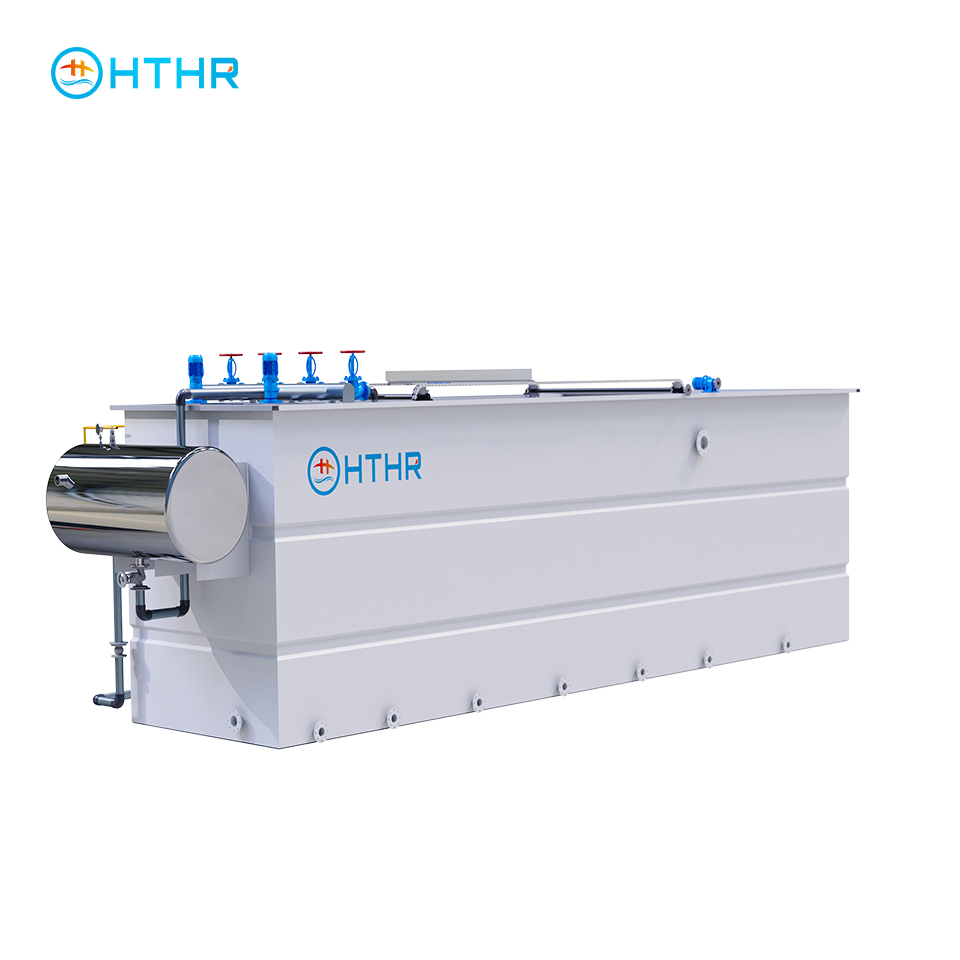
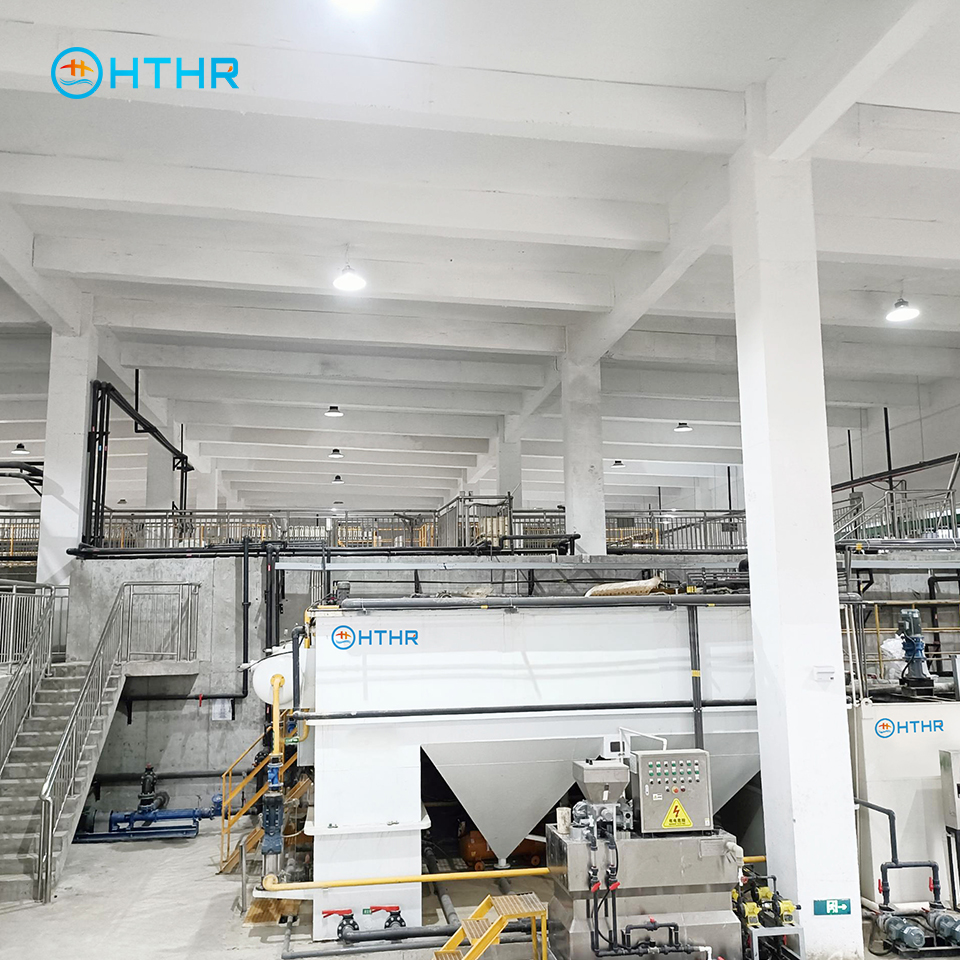
The first step in treatment is usually effective pre-treatment to clear the obstacles for subsequent purification. Pharmaceutical wastewater often contains large amounts of suspended solids, colloidal particles, and potentially highly toxic substances. If these contaminants are not addressed before the core treatment stage, they can reduce treatment efficiency and, in some cases, suppress microbial activity or damage equipment. This is where coagulation and sedimentation technologies come into play. By adding coagulants such as polyaluminum chloride and polyacrylamide, impurities can be aggregated into flocs for separation. This process also helps to remove some color and heavy metals, achieving a COD removal efficiency of 30%-50%. Coagulation and sedimentation are particularly effective for wastewater with a high content of suspended solids, such as that from traditional Chinese medicine extraction. For low-concentration, difficult-to-degrade antibiotic residues, adsorbents like activated carbon and biochar can effectively capture pollutants. Biochar, in particular, is more cost-effective and environmentally friendly, providing distinct advantages in practical applications.
Biological Pre-treatment for Difficult-to-Biodegrade Wastewater
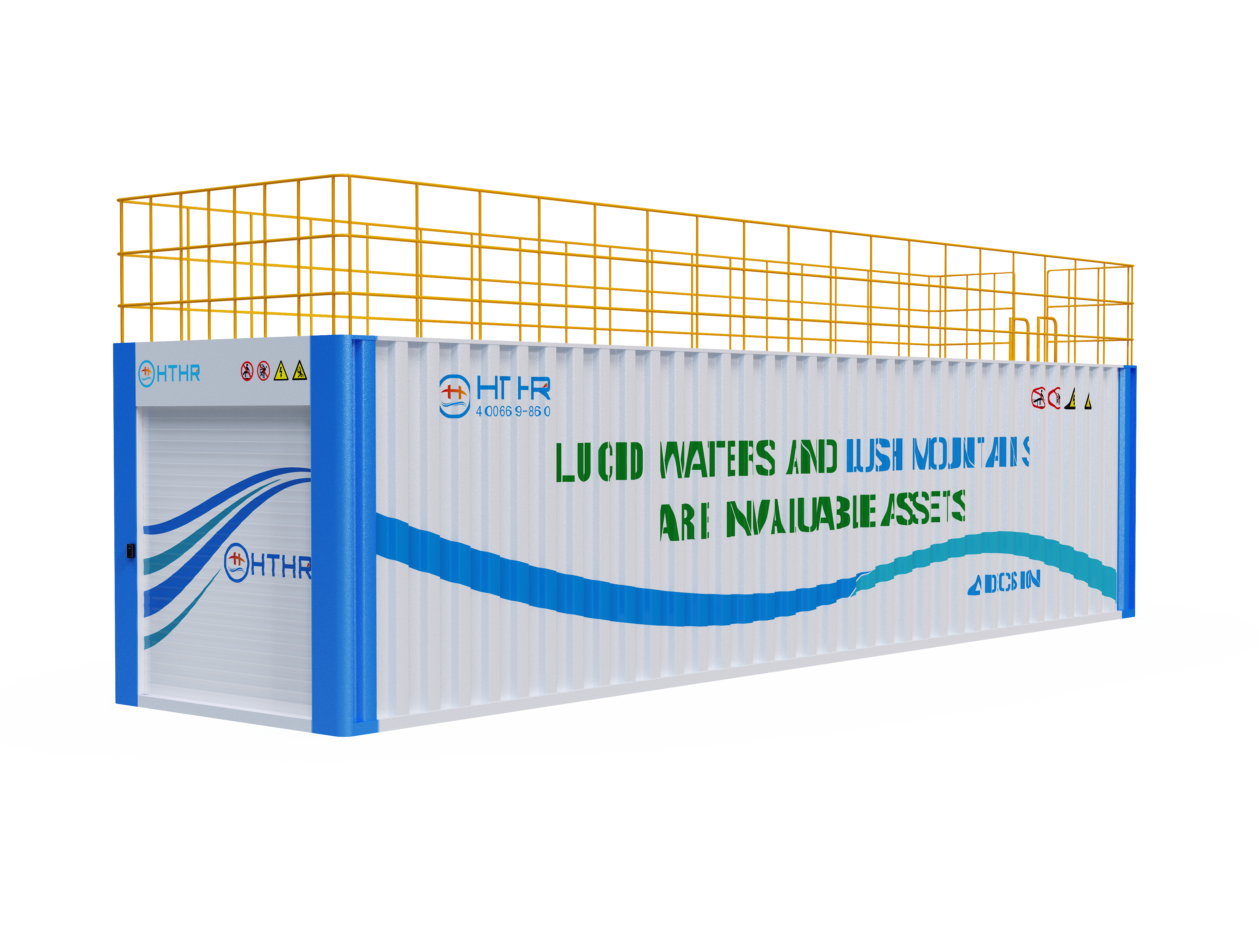
For wastewater from chemical synthetic drugs, which often have very poor biodegradability, biological pre-treatment methods become especially important. Hydrolytic acidification, an anaerobic treatment process, breaks down large, stable organic molecules into smaller organic acids, significantly improving the BOD/COD ratio of the wastewater. This step "softens" the water quality, reducing the load on subsequent treatment stages. It is simple to operate, energy-efficient, and does not require complex equipment, making it an essential step in high-concentration pharmaceutical wastewater treatment. When properly implemented, this process makes subsequent core treatment more effective.
Core Treatment: Tailoring Solutions to Wastewater Characteristics
Once the pre-treatment is in place, the core stage of pollutant degradation can begin. This stage must be carefully tailored based on the wastewater’s biodegradability. For pharmaceutical wastewater with good biodegradability, biological treatment technologies are the most cost-effective and environmentally friendly choice. Membrane bioreactors (MBR), with their high-efficiency filtration capabilities, maintain high concentrations of activated sludge within the reactor. The COD removal rate can exceed 85%, and MBRs are especially effective at removing hormone-like substances, with a removal efficiency of over 90% for endocrine disruptors like estradiol and bisphenol A.
For high-concentration wastewater, anaerobic treatment processes are more suitable. Upflow anaerobic sludge blanket (UASB) and internal circulation reactors (IC) use granular sludge to break down organic substances into methane and carbon dioxide, with a COD load of 10-30 kg/(m³·d). These processes also reduce the toxicity of the wastewater. In practice, anaerobic-aerobic combinations are often used, such as coupling UASB with biological contact oxidation processes. This synergistic approach not only efficiently degrades high-concentration organic matter but also removes nitrogen and phosphorus, thus addressing multiple treatment goals simultaneously.
Advanced Oxidation: Tackling Persistent, Toxic Pollutants
For wastewater that is highly toxic or difficult to biodegrade, biological treatment technologies may not suffice. In such cases, advanced oxidation processes (AOPs) provide a powerful solution. These technologies generate highly reactive hydroxyl free radicals that break down the stable chemical structures of organic pollutants, leading to their mineralization or transformation. Fenton oxidation is a widely used technique. Operating in acidic conditions (pH 3-4), Fenton's reagent (ferrous ions combined with hydrogen peroxide) can degrade tetracycline antibiotics and aromatic compounds with a removal rate of over 90%. Improved versions of this technology, such as electro-Fenton and photo-Fenton, reduce reagent consumption and sludge production. For low-concentration, persistent pollutants, ozonization is particularly effective. Ozone has a high oxidation-reduction potential of 2.07V and can rapidly degrade substances like carbamazepine and ciprofloxacin, without causing secondary pollution. Other emerging technologies, such as electrochemical oxidation and photocatalytic oxidation, show great potential for treating new pollutants like cell-toxic drugs and COVID-19 treatment substances.
Deep Treatment: Ensuring Safety and Reuse
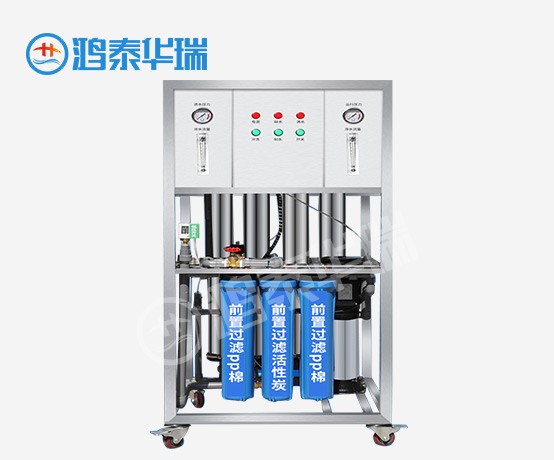
After the core treatment, it is not time to discharge the water just yet, as trace organic pollutants may still present environmental risks. The deep treatment stage serves as the final "gatekeeping" step, ensuring that residual pollutants are removed. This stage also creates conditions for water reuse, aligning with the principles of the circular economy. Membrane separation technologies such as nanofiltration (NF) and reverse osmosis (RO) are the main methods used in deep treatment. These technologies filter out small organic pollutants and remove inorganic salts. Reverse osmosis, in particular, achieves over 99% removal of organic substances, and the treated water quality meets the requirements for pharmaceutical process reuse, helping to achieve near-zero wastewater discharge. However, membrane fouling is a challenge that must be addressed. By optimizing pre-treatment and regularly cleaning the membrane modules, it is possible to extend their lifespan and reduce operating costs.
To further improve the deep treatment process, combining adsorption with advanced oxidation is an effective strategy. One example is the ozone-biological activated carbon (O₃-BAC) process. In this method, ozone pre-oxidizes pollutants, breaking down their chemical structure, and biological activated carbon adsorbs and degrades the remaining pollutants. The removal rate for trace antibiotics and hormones can exceed 95%. Biochar-coupling processes are also becoming more common in deep treatment due to their low cost and high adsorption capacity, effectively improving effluent quality while controlling treatment costs.
Balancing Effectiveness, Cost, and Feasibility
In essence, selecting the right technology for pharmaceutical wastewater treatment is a matter of balancing "effectiveness, cost, and feasibility." There is no need to pursue advanced technologies blindly. Instead, the treatment system must be tailored to the wastewater’s quality and the specific environmental requirements. For example, wastewater from chemical synthetic drugs should focus on advanced oxidation and biological combination processes, while wastewater from traditional Chinese medicine should emphasize pre-treatment and aerobic treatment. Careful consideration of investment, operating costs, and treatment effectiveness will ensure long-term, stable compliance.
The Future of Pharmaceutical Wastewater Treatment
In the future, pharmaceutical wastewater treatment technologies will evolve towards greater intelligence, sustainability, and precision. Artificial intelligence and big data will increasingly be integrated into treatment systems, enabling real-time process optimization and monitoring. Low-energy, low-carbon technologies, such as aluminum-based electro-Fenton and biological electrochemical systems (BES), will accelerate commercialization, balancing environmental protection and energy savings. Furthermore, specialized treatment technologies for emerging pollutants and their metabolic byproducts will continue to develop, addressing new challenges in pollution control. International collaboration and technology transfer will also enable developing countries to reduce the technological gap, allowing high-efficiency treatment solutions to benefit more enterprises.
Ultimately, successfully addressing complex organic pollutants in pharmaceutical wastewater requires a comprehensive, adaptable treatment system. This system should begin with preparatory pre-treatment, followed by core technology application, and conclude with deep treatment. By combining different technologies and balancing environmental policies, economic costs, and technical feasibility, it is possible to effectively remove pollutants while supporting the pharmaceutical industry’s green and sustainable development, ultimately protecting human health and preserving the environment.


 hthrjt2017@gmail.com