When sewage treatment in Kuwait encounters "old difficulties," what can the equipment itself do?
- release date: 2026-03-20 13:54:55
- author: Hongtai Huairui
- Reading: 708
- key words: Kuwait/Sewage treatment/Intelligent integrated sewage treatment equipment/Feihong AI system/Micro sewage treatment plant/Modular equipment/TSE reuse water/Direct sewage discharge/Remote centralized management and control/Fault prediction/Adaptive adjustment/Recycling rate/New urban areas/Industrial parks/Expansion of old plants/Emergency treatment/Gulf countries
Kuwait currently has five wastewater treatment plants, with a daily treatment capacity of nearly 2.4 million cubic meters, ranking among the highest coverage rates in the Gulf countries. Yet, a long-standing practical issue has not disappeared—historically, about 25% of wastewater bypassed treatment systems and was discharged directly into Kuwait Bay, with overloaded old facilities and delayed operational responses being one of the core reasons.
The implementation of the Umm Al-Haman project is undoubtedly a milestone breakthrough, but the challenges Kuwait faces next are not just about building large new plants. It's also about how to ensure the stable operation of dispersed treatment nodes of varying scales—urban expansion brings supporting demands, industrial park wastewater disposal, and rapid deployment of municipal facilities in new districts are all beyond the coverage of a single flagship plant.
This is where intelligent integrated wastewater treatment equipment truly comes into play.

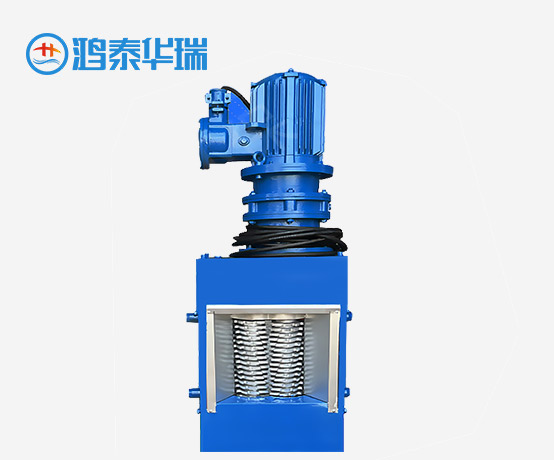
The equipment itself is a "miniature plant."
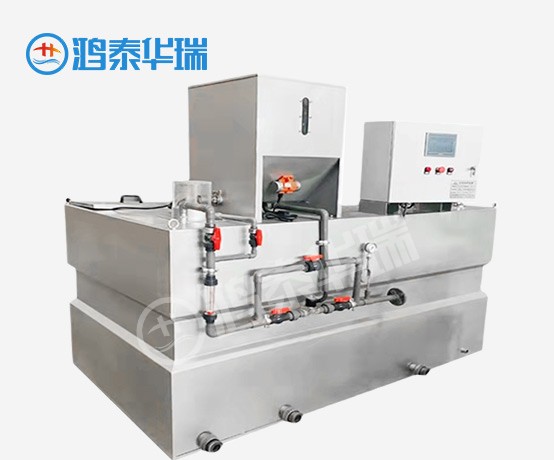
Unlike the traditional "civil construction + equipment" separate construction model, integrated wastewater treatment equipment combines biochemical treatment, sedimentation and filtration, disinfection, and other process units into prefabricated modules, providing a complete system straight from the factory.
Under Kuwait's project construction logic, this feature directly addresses two practical obstacles:
- Lengthy approval chains. Large-scale wastewater projects in Kuwait must pass joint approvals from multiple departments, including the Public Works Ministry, Environmental Authority, and Municipal Planning. Historically, PPP project negotiations often took years. In contrast, small to medium-sized integrated equipment is usually included in a simplified equipment procurement procedure, significantly shortening deployment time.
- On-site construction limitations. Kuwait’s arid environment imposes multiple constraints on large-scale civil construction, such as geology, climate, and labor supply. Modular equipment requires minimal on-site work, often only needing pipeline connections to become operational.
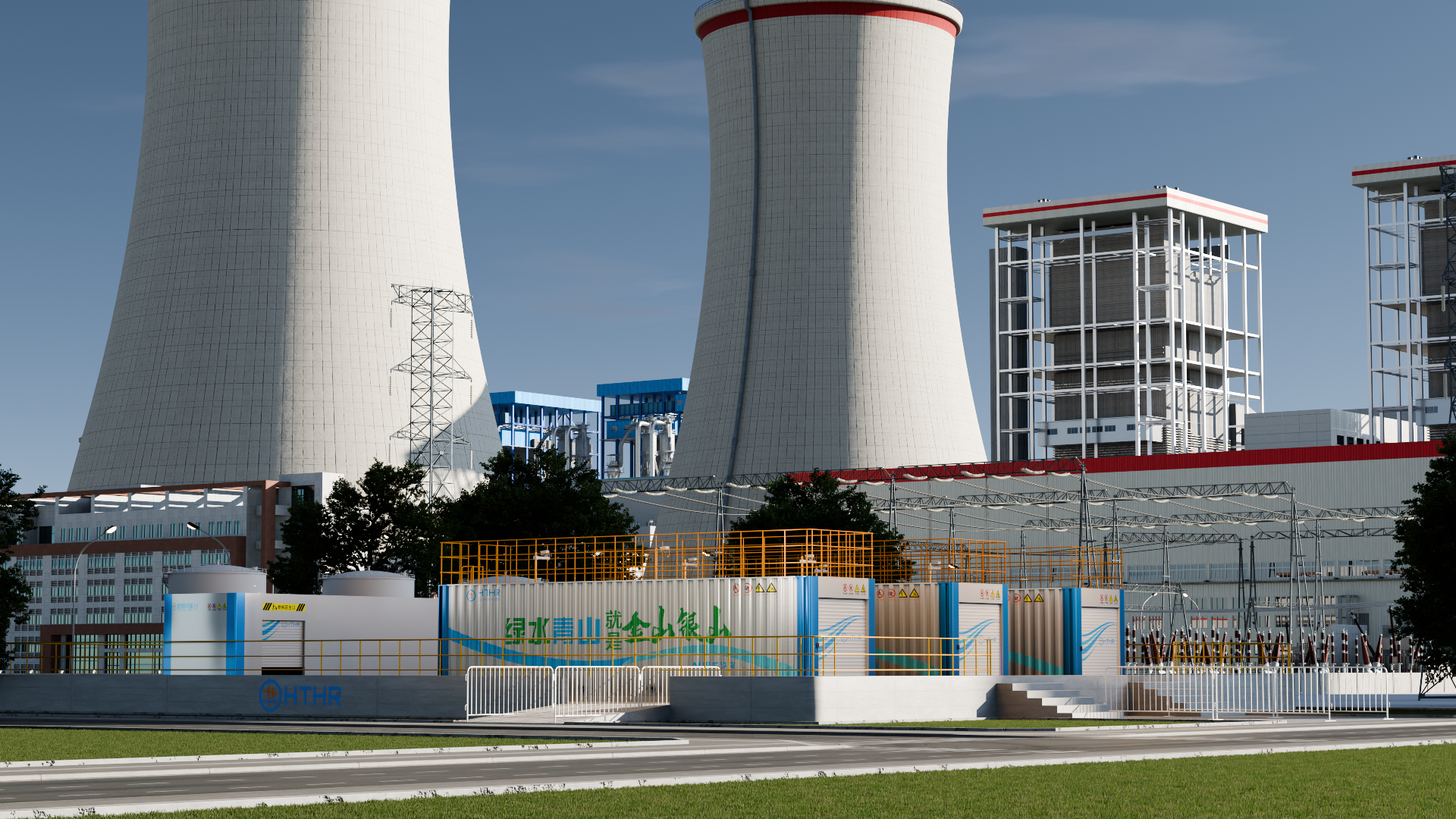
FyhoneOS: Turning “human monitoring” into “machine control.”
The advantage of integrated equipment lies in its integration, but its operational challenge is precisely this—high system concentration means that any anomaly, if not promptly addressed, could trigger a chain reaction.
Traditional wastewater treatment relies on operator inspections and experience, which is manageable in regions with low labor costs and sufficient technical staff. For Kuwait, however, the management cost and stability of foreign technical workers have always been a potential operational risk.
Introducing the FyhoneOS preemptively mitigates this risk:
- Real-time perception and adaptive adjustment: The system continuously collects multi-dimensional data on influent quality, flow, dissolved oxygen, sludge concentration, and effluent indicators via sensor arrays, optimizing key operational parameters such as aeration, return ratio, and chemical dosing in real time. This means the equipment no longer requires repeated manual adjustments by operators; the system can autonomously respond to water quality fluctuations.
- Fault prediction and preventive maintenance: The FyhoneOS establishes a health baseline based on historical operational data. When critical components like pumps, blowers, or membrane modules deviate from normal ranges, the system issues early warnings and disposal suggestions. For operators managing dispersed sites, this greatly reduces the probability of treatment interruptions or wastewater overflow caused by sudden equipment failure.
- Remote centralized management: Data from multiple dispersed sites converge on a unified platform, allowing managers to monitor operations in real-time from a control room or mobile device, with one-click dispatch for anomalies. This architecture is particularly suitable for large-scale expansion of southern new districts, where multiple supporting treatment sites require synchronized operation.
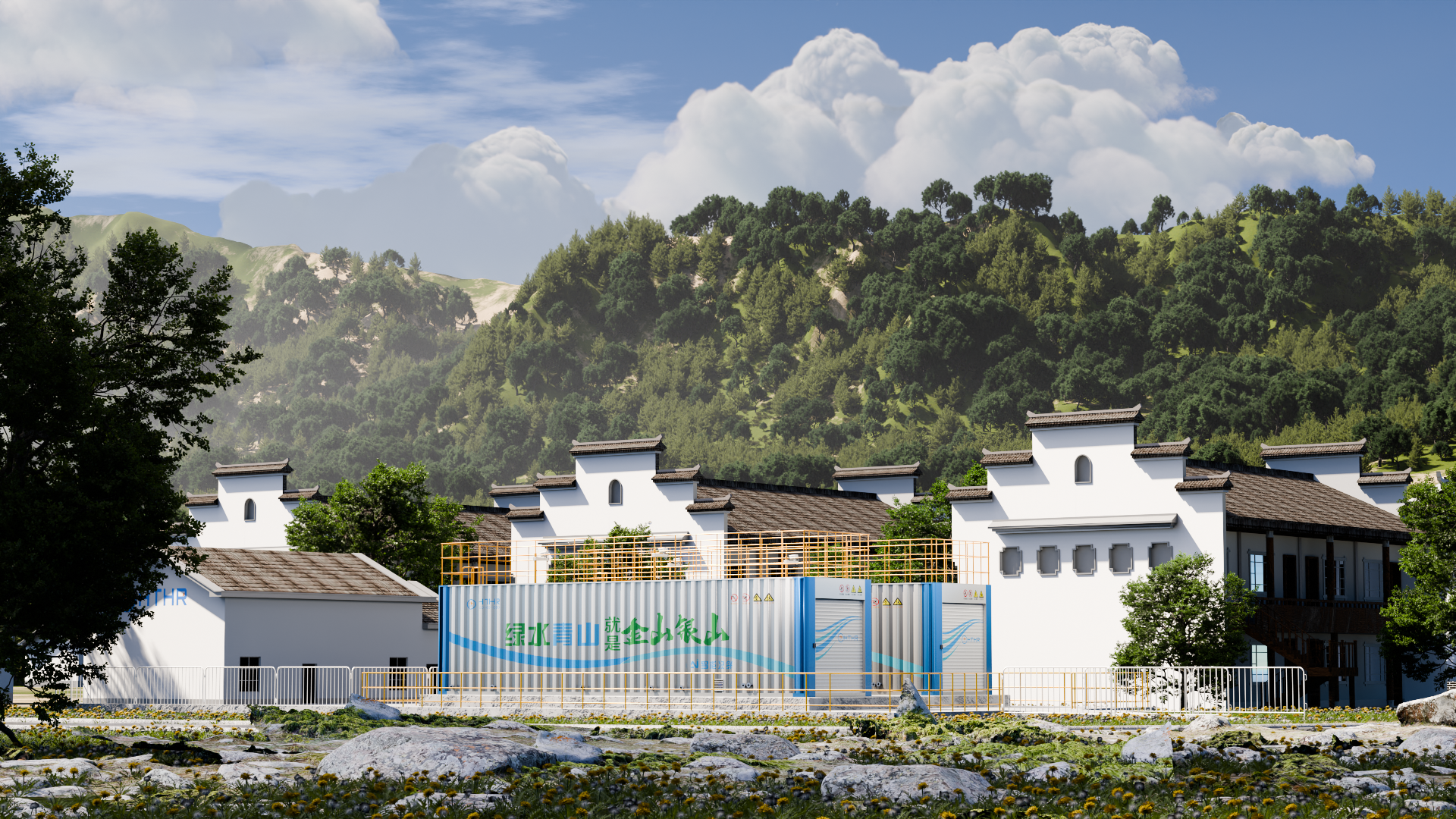
Applicable scenarios
Based on Kuwait’s current structural wastewater treatment needs, the primary deployment scenarios for intelligent integrated equipment include:
- Urban new district support: As the southern new city in Kuwait progresses, district-level wastewater treatment demand emerges. Integrated equipment can respond quickly and operate independently.
- Industrial park self-treatment: Kuwait’s industrial wastewater contains complex components. On-site treatment for reuse is more cost-effective than centralized collection and allows targeted treatment of specific pollutants.
- Remote and off-grid areas: In some areas, pipeline extension costs are prohibitively high, making on-site independent treatment the only feasible solution. AI remote operation capabilities compensate for insufficient on-site personnel.
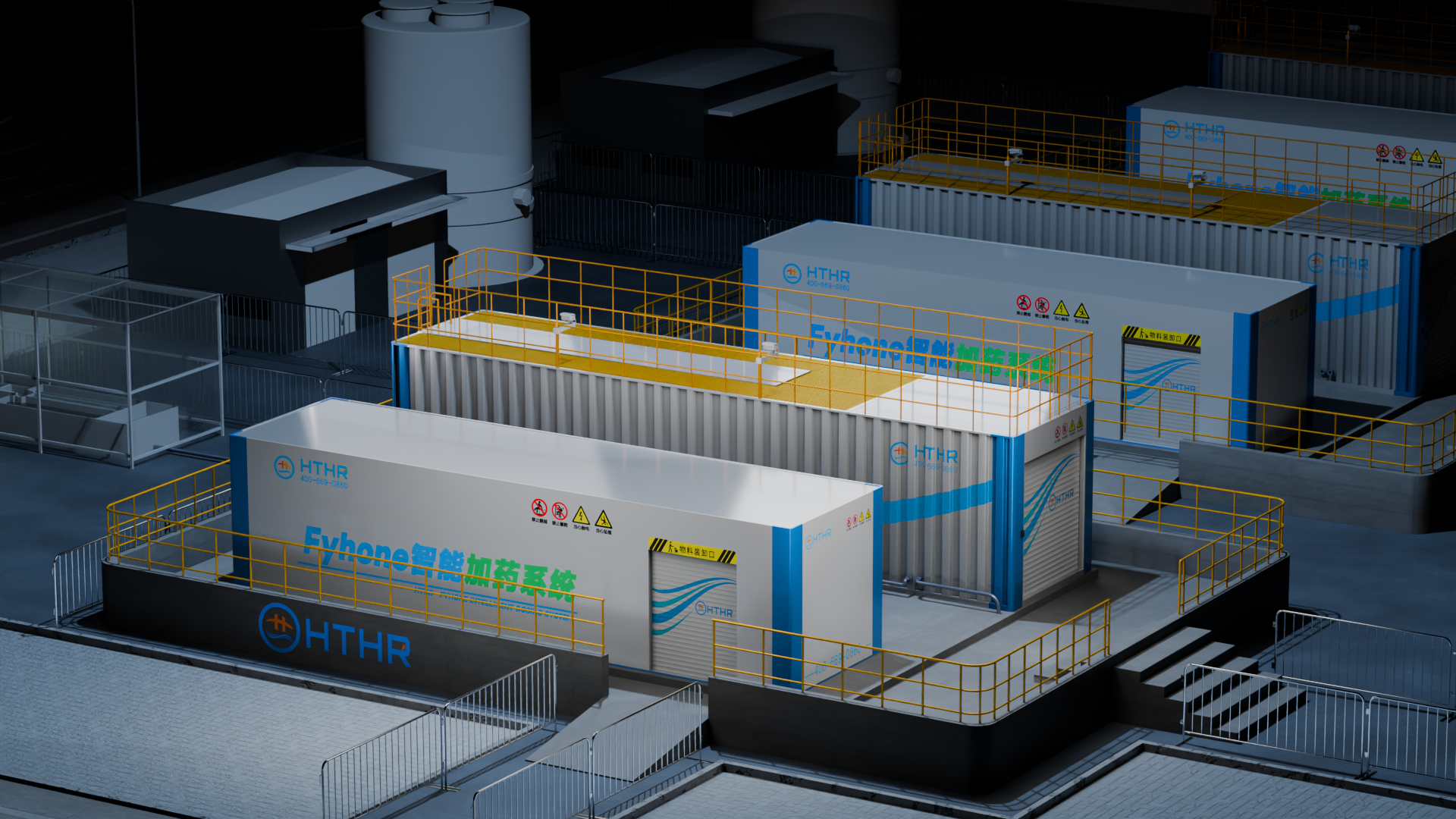
- Old plant supplementation and emergency support: During the renovation of old treatment plants, integrated equipment can quickly supplement treatment capacity, preventing direct wastewater discharge during gaps.
Kuwait’s wastewater treatment challenge is essentially a structural issue of “increasing total volume, limited new construction speed, and a need to improve operational


 hthrjt2017@gmail.com