Jakarta Wastewater Management: The Critical Moment to Address Southeast Asia’s Urbanization Debt
- release date: 2026-03-12 17:50:23
- author: Hongtai Huairui
- Reading: 438
- key words: Jakarta Sewage Treatment/Indonesian Sewage Treatment Equipment/Southeast Asia Water Market/Indonesian MBR Membrane Bioreactor/Jakarta Integrated Sewage Treatment Equipment/Indonesian Sludge Dehydrator/Southeast Asia EPC Water Project/Indonesian Community Sewage Treatment Solutions/Jakarta Municipal Sewage Treatment Plant
Jakarta is the largest metropolis in Southeast Asia and one of the cities worldwide with the most significant gaps in wastewater management. Over 95% of domestic sewage is discharged untreated into rivers, and many residents rely on contaminated groundwater as a drinking water source. The long-standing drinking water safety risks are directly reflected in public health data: the local infant mortality rate is far above the Southeast Asian average, and child stunting continues to trouble grassroots communities.
This is not an isolated phenomenon but a concentrated reflection of the "infrastructure debt" issue during rapid urbanization. Jakarta’s predicament represents the structural challenges faced by dozens of rapidly expanding cities worldwide.
Why Traditional Approaches Don’t Work in Jakarta
Jakarta faces a systemic problem compounded by multiple constraints. The city has extremely high density, leaving almost no underground space to accommodate large-scale conventional pipelines; in some northern areas, ground subsidence exceeds 25 centimeters per year, making long-term engineering stability difficult to guarantee; government finances are limited, and PPP project approval and implementation cycles generally exceed five years; communities are scattered, and residents’ income disparities are significant, making unified fee structures difficult to implement.
The traditional approach of “building large plants and laying pipelines” would take up to 30 years to complete in Jakarta. The Indonesian government has, however, accelerated the process through the National Strategic Project (PSN) mechanism—localized, scenario-based solutions have become the most feasible entry points.
Three Core Application Scenarios
Based on Jakarta’s tropical climate, scarce construction land, limited operation and maintenance capacity, and scattered communities, wastewater treatment demand is highly concentrated in the following three scenarios:
Scenario 1: Community-Based Decentralized Treatment (50–500 households)
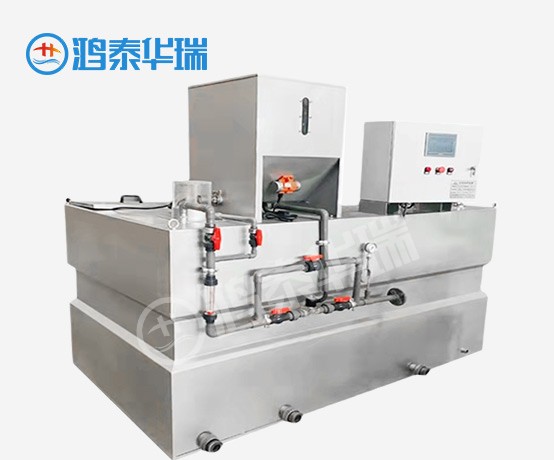
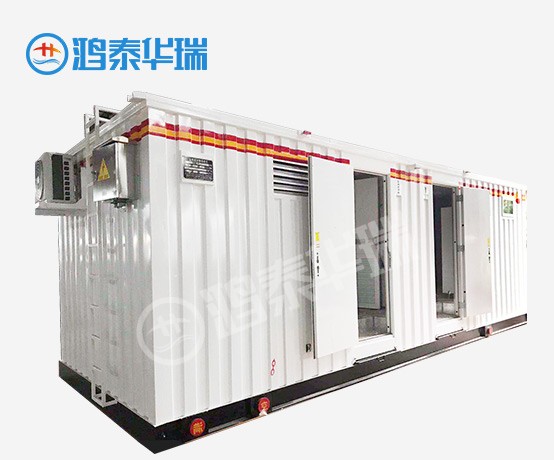
Modular integrated wastewater treatment equipment eliminates the need for complex pipelines, with installation cycles as short as 1–2 weeks, and can be directly integrated into existing community spaces. Treated water can be used nearby for agricultural irrigation or landscape replenishment, aligning with Indonesia’s “Sanimas community-led management” policy to achieve community self-construction, self-management, and self-use.

Scenario 2: Medium-Sized Municipal Centralized Treatment (10,000–100,000 tons/day)
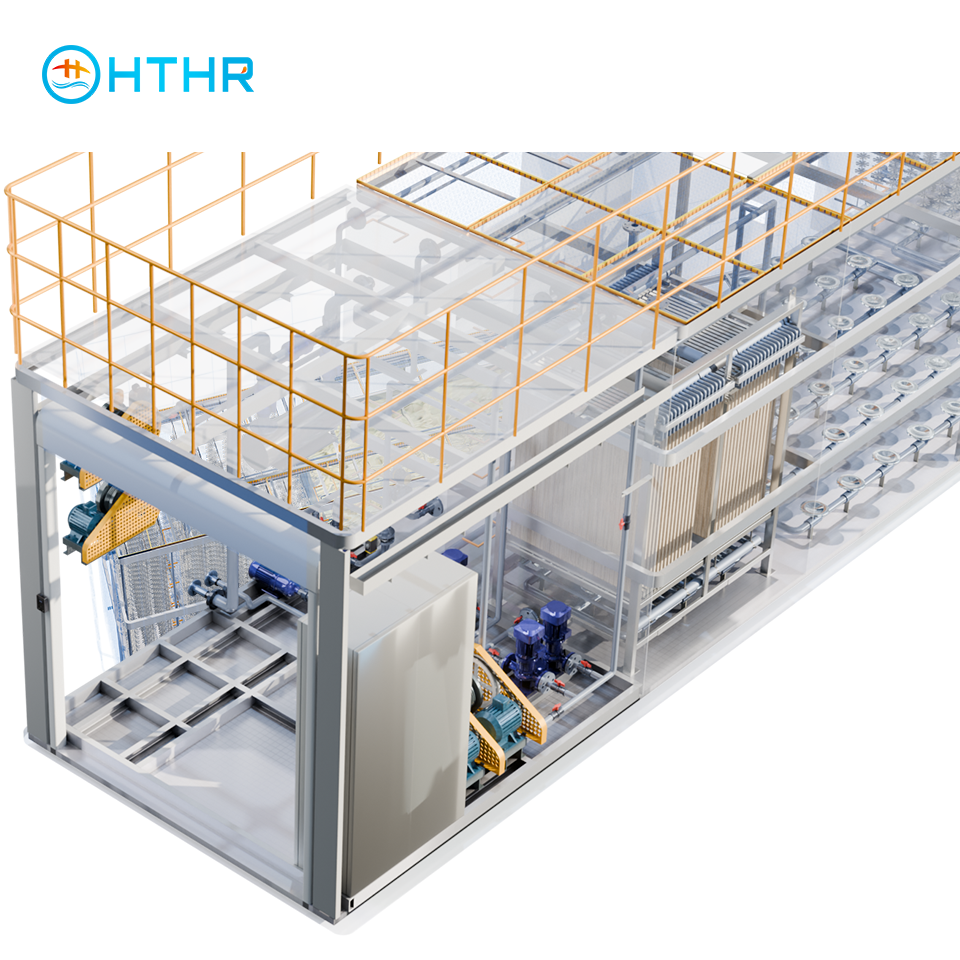
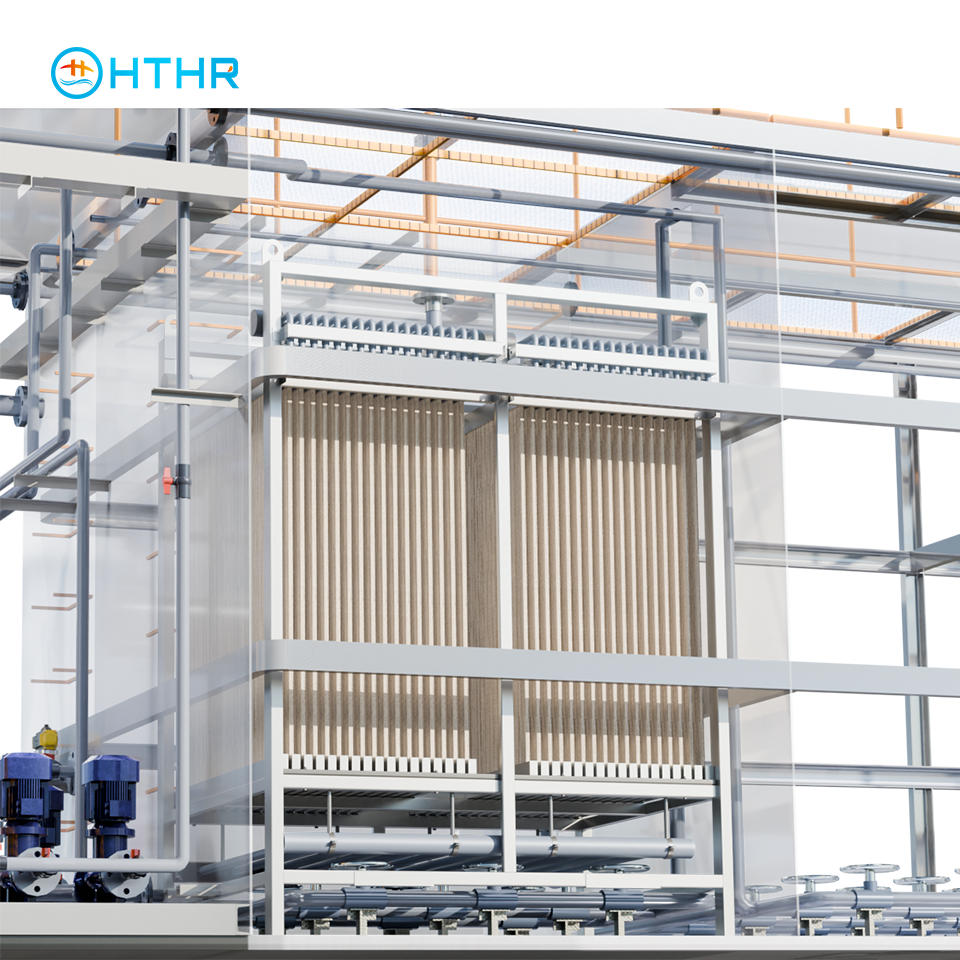
MBR (Membrane Bioreactor) systems occupy only one-third of the area required by conventional processes, and the effluent quality can meet Class IV surface water standards, suitable for industrial cooling and municipal landscaping reuse. In land-scarce North Jakarta, fully underground MBR wastewater treatment plants have become a priority option.
Scenario 3: Sludge Resource Recovery
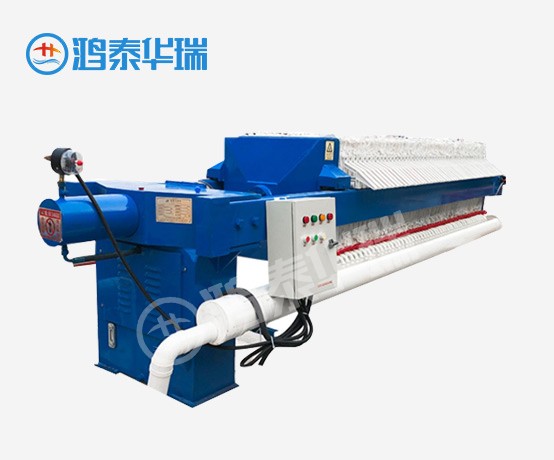
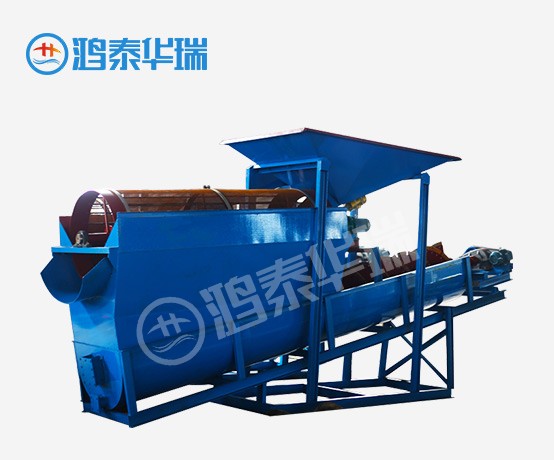
Millions of septic tanks in Jakarta generate large amounts of sludge annually, but current disposal capacity is nearly zero. Screw press sludge dewatering machines consume low energy and are clog-free, producing sludge cakes with moisture content as low as 75% or less; combined with drying and granulation processes, the sludge can be converted into organic fertilizer. As a major agricultural country, Indonesia benefits from this approach both by resolving pollution and generating economic value.
The Core Value of Full Lifecycle Service Capability
In the Jakarta market, equipment supply is only the starting point. For Indonesian local governments with relatively limited operational personnel, the ability to provide full lifecycle support from design and construction to long-term operation often determines whether a project is successfully implemented.
The EPC (Engineering, Procurement, and Construction) contracting model integrates design, procurement, and construction, reducing coordination difficulties for owners and shortening construction cycles; the operational handover mechanism ensures that local teams gain independent operational capabilities; related technologies have been extensively validated in similar climates and urban density conditions domestically and internationally, providing a replicable implementation foundation.
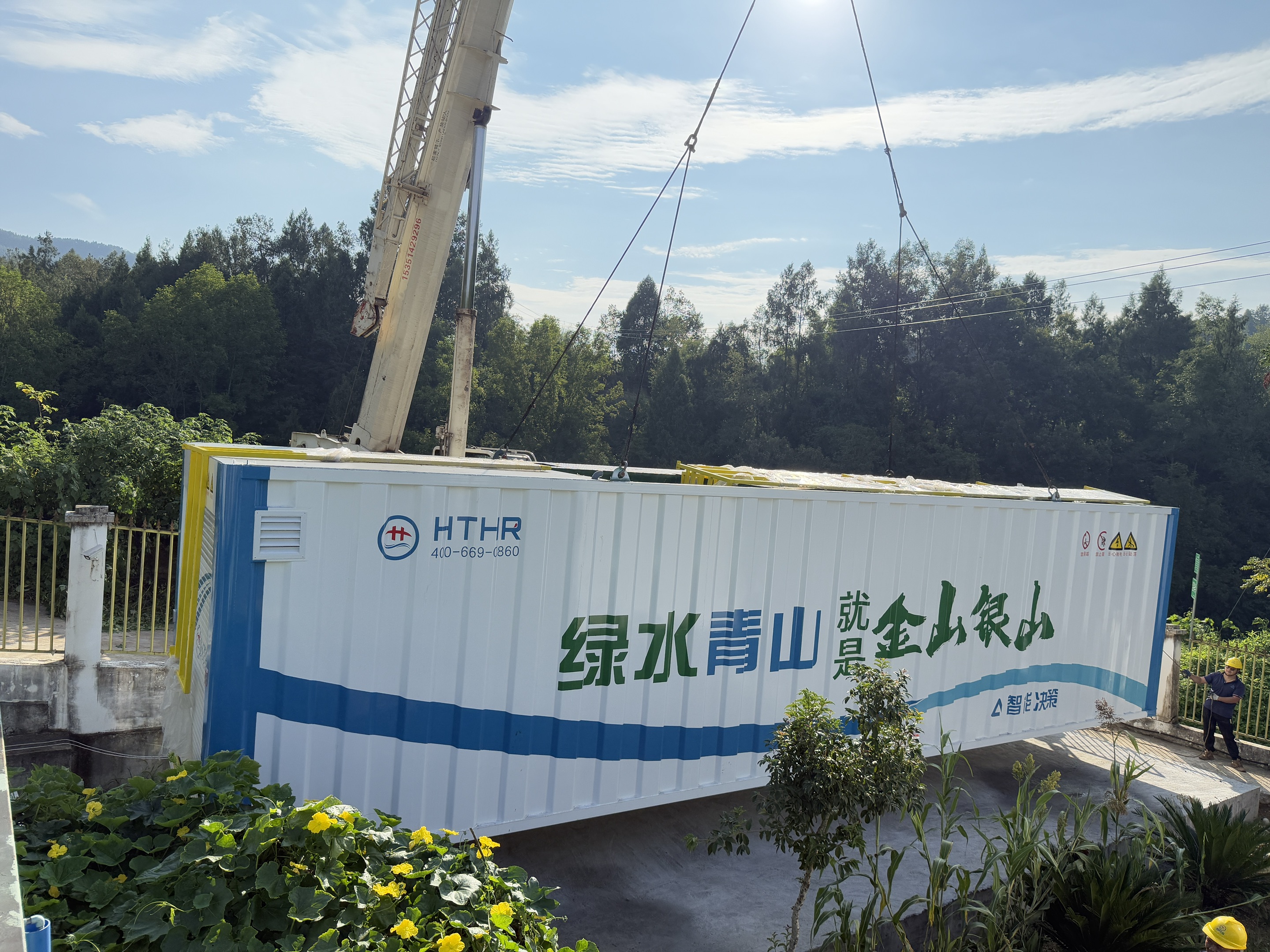
MBR membrane technology, modular integrated equipment, and sludge resource recovery systems—these three product lines cover the complete demand chain from community to city, from construction to operation, providing a systematic pathway for comprehensive wastewater management in Jakarta.
Market Window: Key Nodes from Planning to Implementation
Jakarta’s wastewater management market is transitioning from long-term stagnation to concentrated initiation. The National Strategic Project has accelerated approval channels, with a $5 billion investment plan covering new facilities and community-based decentralized treatment systems. The PPP model is widely open, creating entry opportunities for enterprises with financing and operational capabilities; simultaneously, the new capital Nusantara is being built from scratch, providing an ideal scenario for high-standard wastewater treatment solutions.
This is not a gradually evolving market but a structural opportunity set to be released over the next 5–10 years. Participants who first establish technical standards and project achievements will gain significant first-mover advantages during subsequent large-scale promotion stages.


 hthrjt2017@gmail.com