Application Practice of Digital Twin Technology in Large scale Wastewater Treatment Projects
- release date: 2026-02-11 15:01:46
- author: Hongtai Huairui
- Reading: 748
- key words: Digital Twin、Application Practice of Digital Twin in Large-scale Sewage Treatment Projects、Application Practice of Digital Twin、Digital Twin Technology for Sewage Treatment
Under the guidance of the global “dual carbon” goals and sustainable water resource management strategies, large-scale wastewater treatment projects are transitioning from mere “compliance treatment” to “precision and efficiency, low-carbon energy saving, and intelligent operation and maintenance.” As a core link connecting the physical world and virtual space, Digital Twin technology, with its key advantages of full lifecycle simulation, real-time data integration, and intelligent optimization decision-making, has become a crucial tool for addressing operational and maintenance challenges in large-scale wastewater treatment projects and implementing environmental protection policies. Hongtai Huarui has been deeply engaged in the environmental protection field for decades, closely following global policy directions, and deeply integrating Digital Twin technology into the entire process of large-scale wastewater treatment projects, empowering green development through technology and demonstrating the responsibility and commitment of a national environmental protection enterprise.
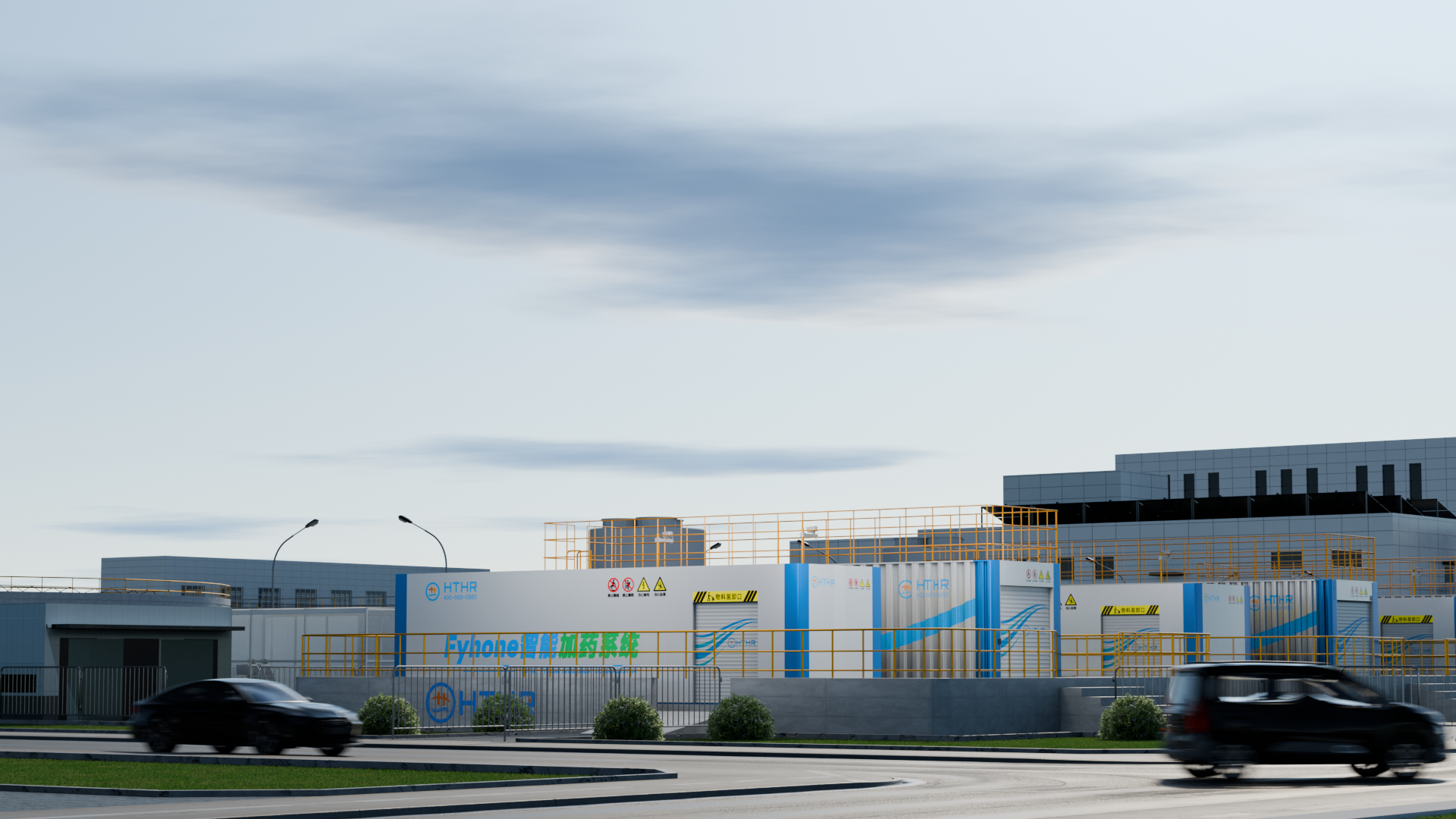
The International Organization for Standardization (ISO) is also accelerating the standardization of Digital Twin technology. ISO/CD25407 “Guidelines for Smart Management of Wastewater Systems” is currently under development and will provide unified technical specifications for the application of Digital Twin technology in large-scale wastewater treatment projects worldwide. The standard was proposed and led by Nanjing University and the Yixing Environmental Protection Research Institute of Nanjing University. It has now entered the stage where public comments have closed and is scheduled for official release in September 2027. International financial institutions such as the World Bank and the Asian Development Bank actively encourage and support the application of Digital Twin technology in environmental protection projects, promoting the acceleration of digital upgrades in water infrastructure in developing countries. These global policy directions also provide clear guidance for related technology research and engineering practice.
Relying on profound technical expertise and addressing the characteristics of large-scale wastewater treatment projects—“large scale, complex processes, high operational difficulty, and stringent environmental requirements”—Digital Twin technology is deeply integrated with wastewater treatment processes to create intelligent solutions covering the entire lifecycle of “design–construction–operation–optimization,” breaking the limitations of traditional wastewater treatment projects characterized by “passive operation and maintenance and experience-based decision-making.”
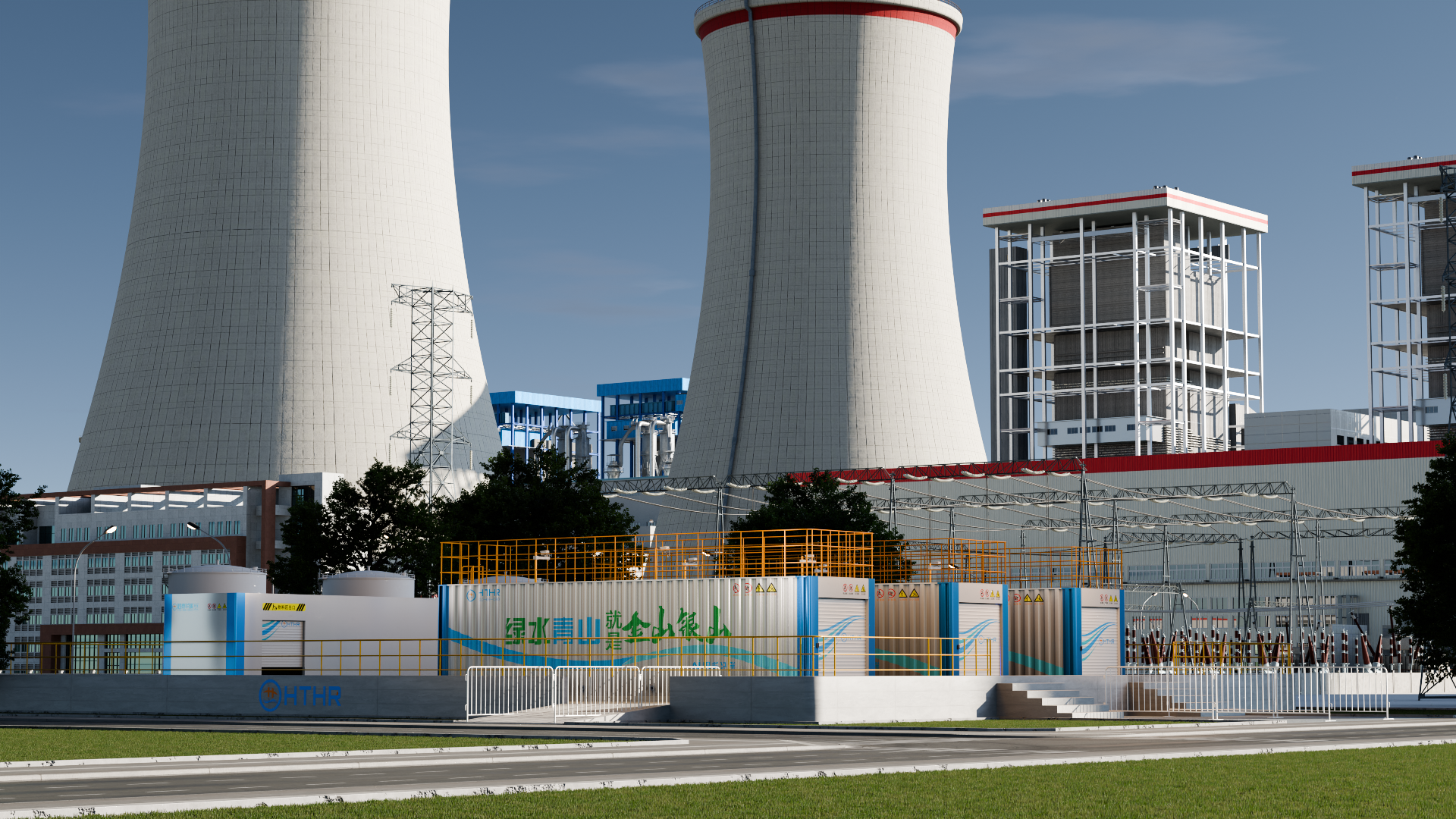
During the engineering design stage, a 1:1 virtual simulation model is constructed based on Digital Twin technology, accurately replicating all core facilities such as tanks, pump stations, aeration systems, and filtration devices. Combined with actual operating conditions such as influent water quality and flow fluctuations, it simulates the treatment performance, energy consumption levels, and land occupation of different process schemes. Compared with traditional design models, this approach can preemptively avoid process conflicts and design flaws during construction, reduce rework costs, and ensure that the design fully complies with relevant ISO standards and the environmental discharge requirements of various countries, laying a solid foundation for project construction.
During the engineering construction phase, BIM technology is integrated with the digital twin model to synchronize construction progress and quality inspection data in real time. Managers can monitor construction details in real time through the virtual model, precisely control construction accuracy and safety standards, and ensure the efficient advancement of the project. To address the challenges of long construction cycles and extensive cross-operations in large-scale wastewater treatment projects, virtual simulation is used to model construction processes, optimize construction plans, increase construction efficiency by more than 20%, and achieve a 100% qualification rate at key construction milestones.
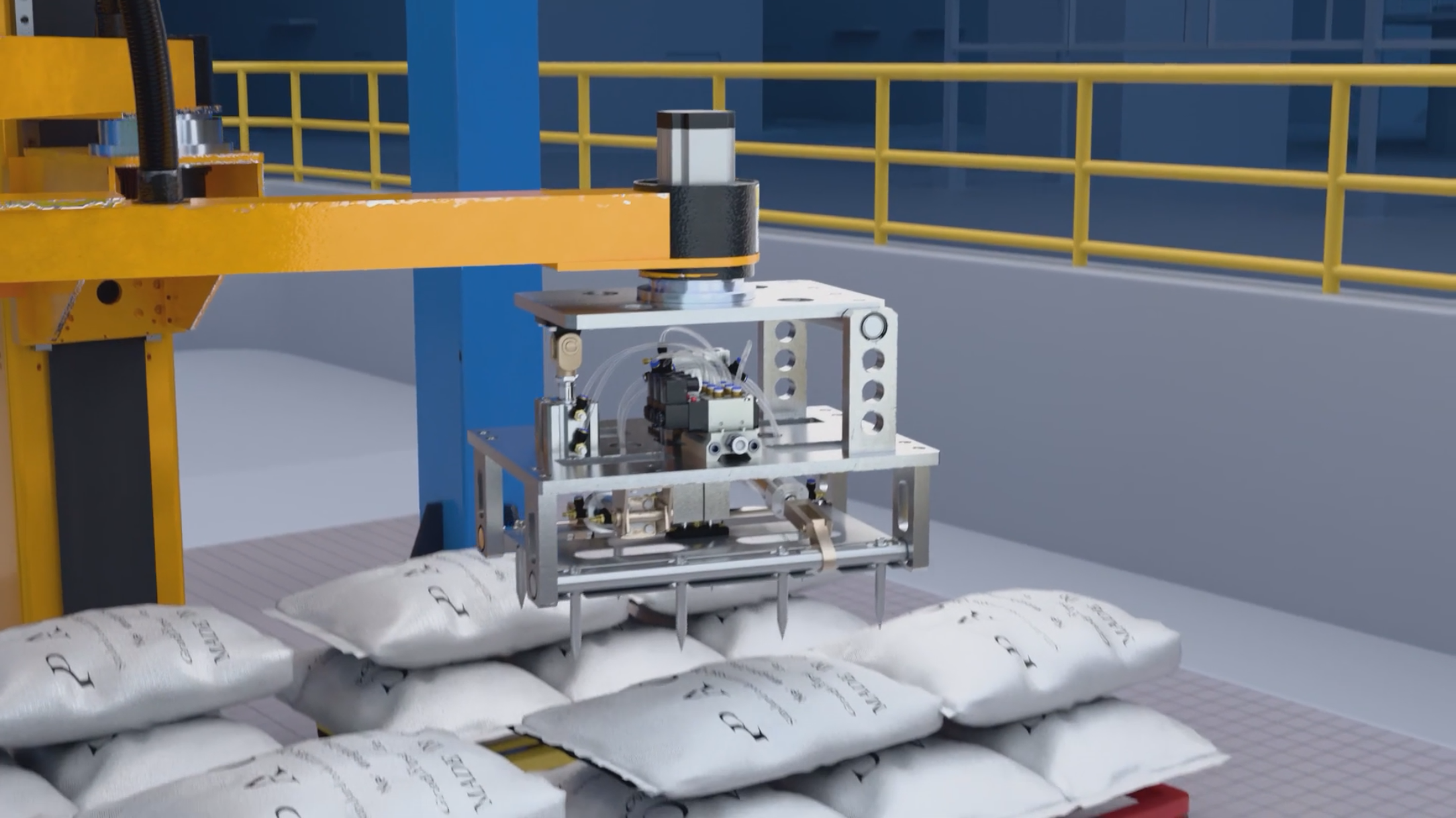
During the operation and maintenance phase, the digital twin system becomes the “intelligent brain” of large-scale wastewater treatment projects, serving as a core component in implementing global environmental protection policies and achieving precise operations. By deploying a large number of IoT sensors on-site, real-time data such as influent COD, BOD, ammonia nitrogen, total phosphorus, and other water quality indicators, as well as equipment operating parameters and energy consumption data, are collected and synchronously transmitted to the virtual twin model, enabling “synchronized display and real-time mapping” between physical facilities and the virtual model.
Operations personnel can intuitively grasp the overall plant operation status through the virtual model without on-site inspections, accurately identify potential equipment faults and abnormal water quality fluctuations, and, combined with built-in intelligent analysis algorithms, quickly generate optimal treatment solutions. In response to the longstanding industry pain point of “inability to determine water quality compliance in real time,” the digital twin system enables real-time water quality monitoring, anomaly warnings, and precise regulation, ensuring stable compliance of effluent quality and completely resolving the “lagging and blind” issues of traditional operations. At the same time, the system can optimize process parameters such as aeration intensity and chemical dosing based on real-time data, reducing energy consumption by 15%–20% and fulfilling global “low-carbon and environmentally friendly” policy requirements.

In addition, leveraging the simulation advantages of digital twin technology, it can simulate extreme weather events and sudden changes in influent water quality, formulate targeted emergency response plans, and organize virtual emergency drills for operations personnel to enhance emergency response capabilities, ensuring the stable operation of wastewater treatment systems and safeguarding environmental protection standards. This practice not only responds to United Nations initiatives related to water resource management but also aligns with the emergency response requirements outlined in the EU Water Framework Directive. The EU Water Framework Directive requires member states to establish water quality monitoring networks, including surveillance monitoring, operational monitoring, and investigative monitoring, and emphasizes the “polluter pays principle,” meaning that polluters must bear the costs of cleanup and compensation in the event of an accident.
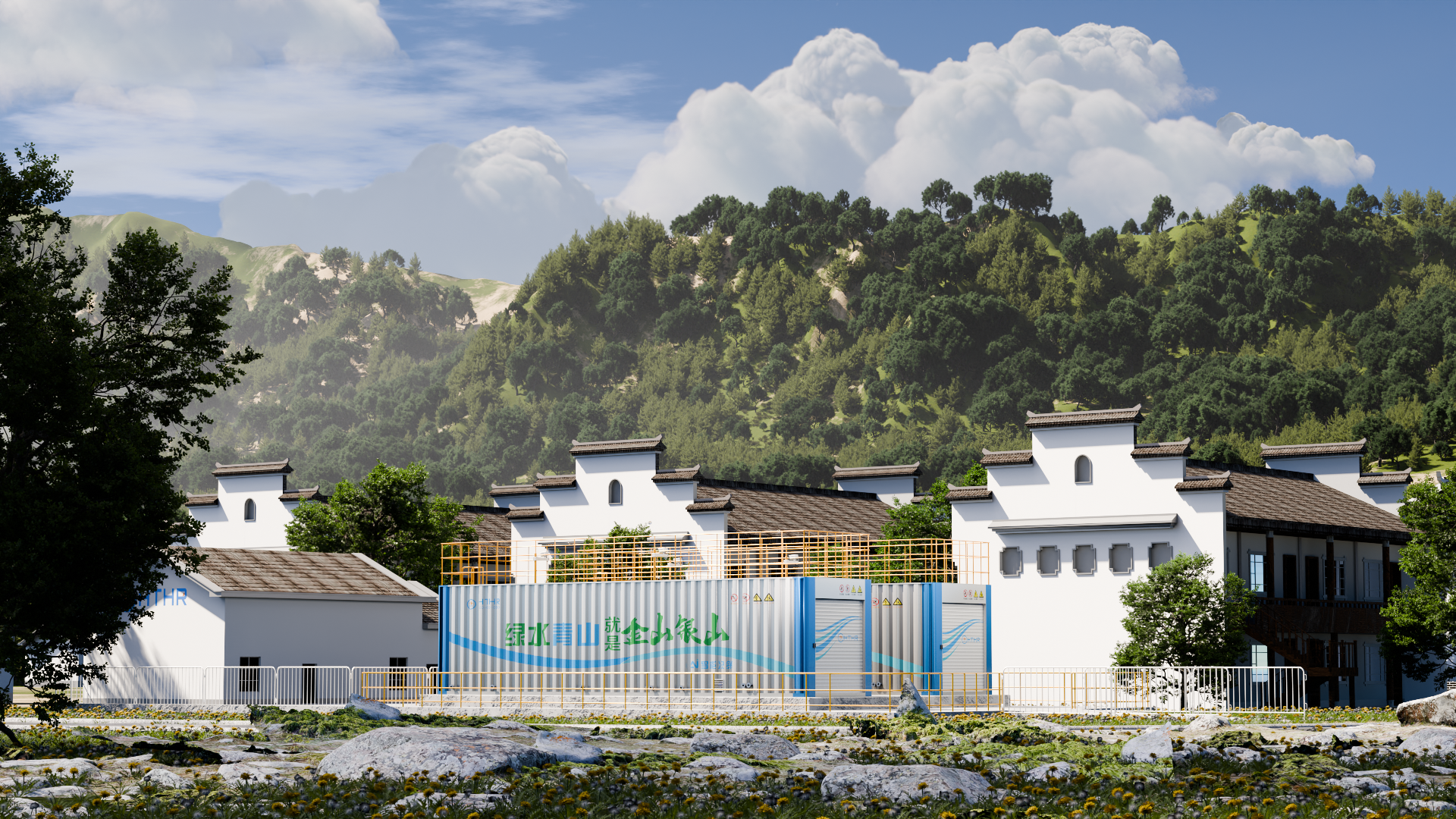
In the future, Hongtai Huarui will continue to focus on the iterative upgrading of digital twin technology, deeply implement environmental protection policies of authoritative global institutions such as the United Nations, ISO, and the European Union, and, in combination with the environmental protection needs of different regions, optimize and improve intelligent solutions for large-scale wastewater treatment projects. The company aims to promote the large-scale application of digital twin technology in the environmental protection field, safeguard clear waters and green mountains through technological innovation, and contribute to the sustainable management of global water resources and the achievement of “dual carbon” goals.
The United Nations has also played an important role in promoting the application of digital twin technology in water resource management. For example, the SDG6 Digital Water Resources Management Project in Addis Ababa, Ethiopia, uses digital twin technology to reduce non-revenue water (NRW) by 15%. The International Water Association (IWA) released the Digital Twin Water Conservancy Action Beijing Initiative at the 2024 International Conference on Hydroinformatics, calling for strengthened global application of digital twin technology in the water sector. All of these provide significant support for the development of digital twin technology in the environmental protection field.


 hthrjt2017@gmail.com